
From Roofing Felt Quotation to Purchase Order
Once you accept a roofing felt quotation, turn it into an order that production, packing and shipping teams can all read the same way. The approved sample and label should travel with the numbers.
By Merily Waterproofing · Bulk supply for importers, distributors and building-material wholesalers
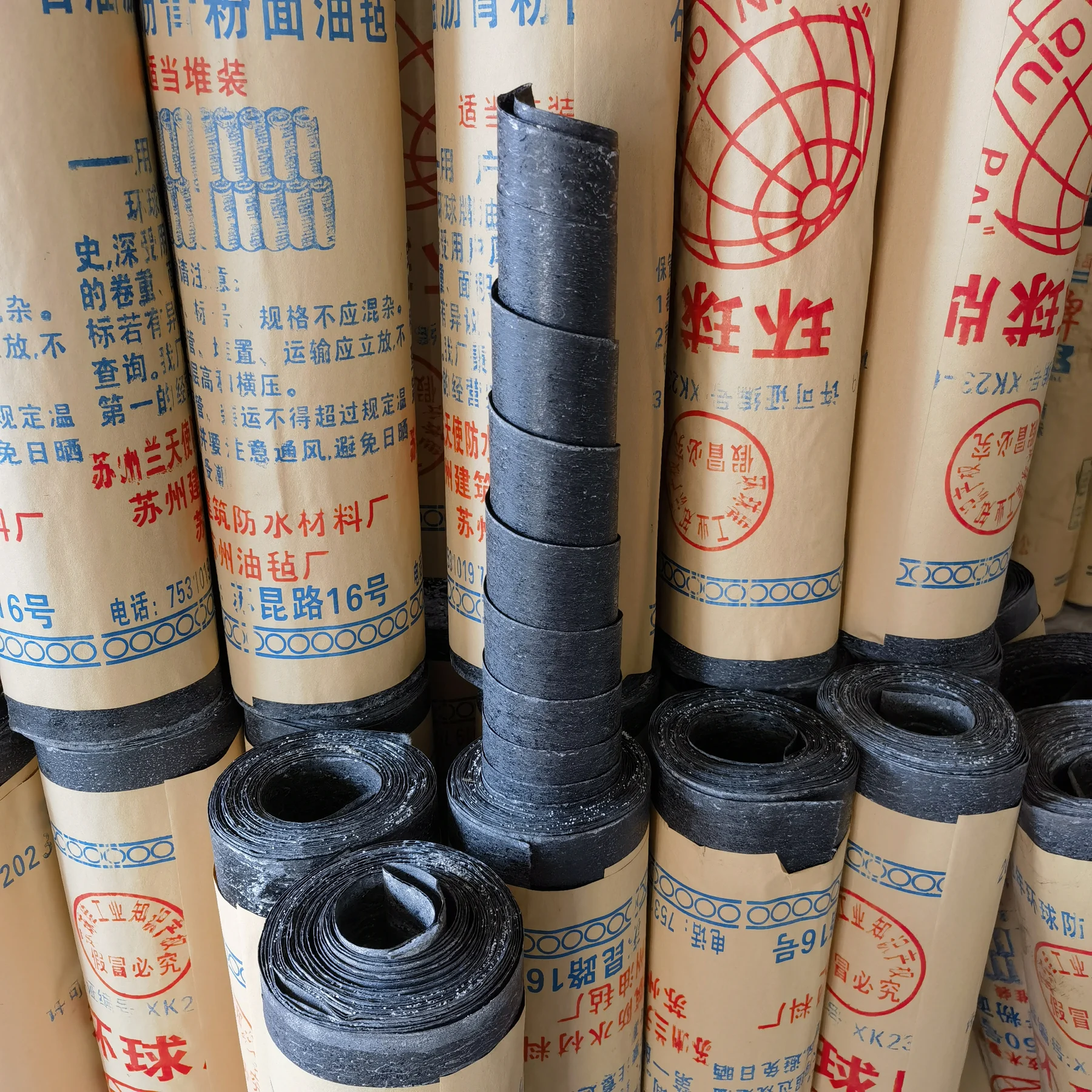
Move from a description to an identifiable sales item
Give each item a reference and write width, length, roll mass and the mass basis. State the quantity in rolls. If tolerances have been agreed, attach them instead of relying on a phrase such as “usual quality”.
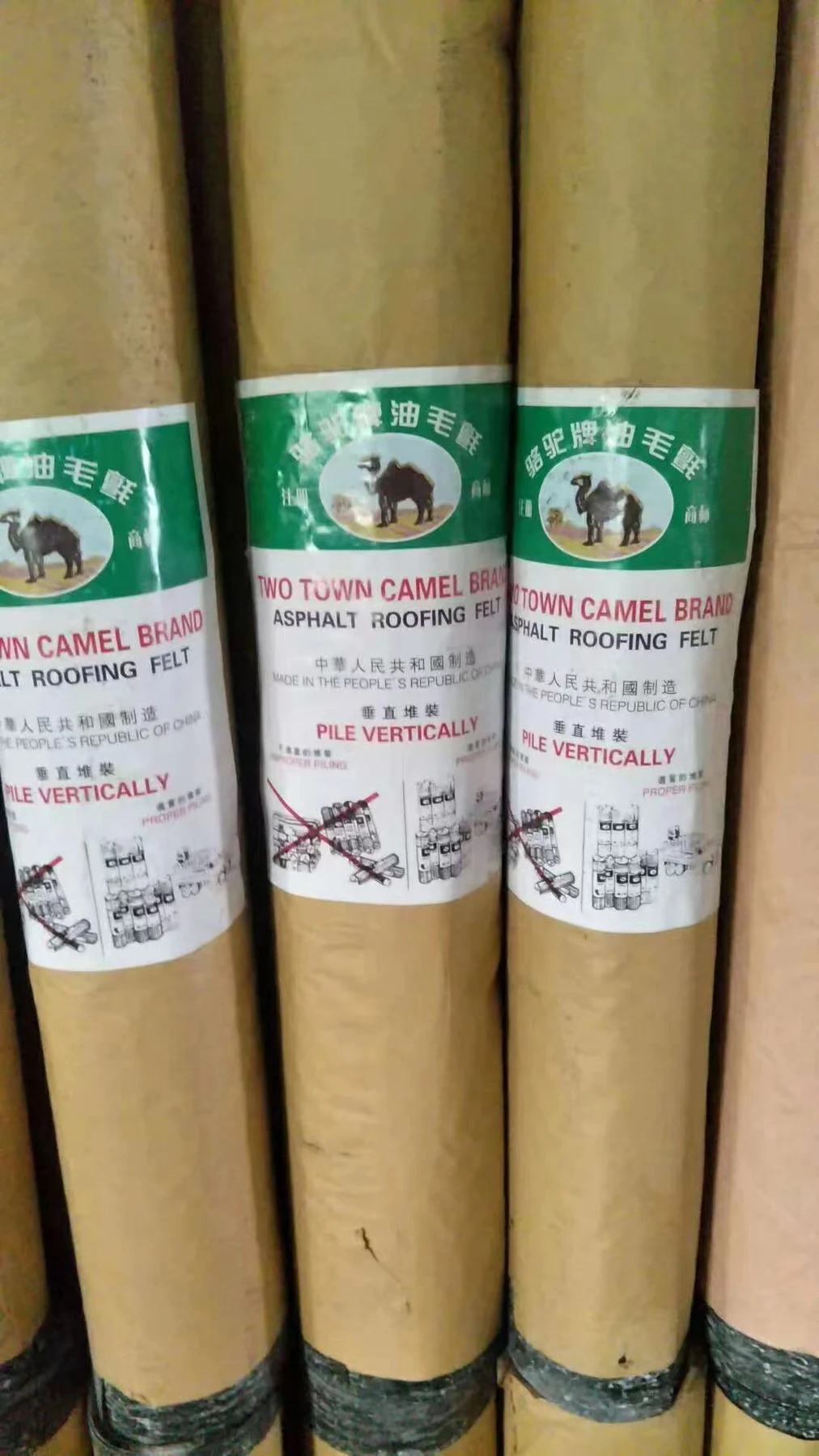
An order for 1 m × 8 m, 7 kg rolls is more usable than an order for “short Camel felt”. The artwork, end covering and approved sample still need separate references.
Control the attachments and their versions
Put an approval date or version on the wrapper file. Identify whether both ends are cloth-covered. Keep a photo of the complete packed roll beside the written item details.
If the buyer changes the label after confirmation, update the order record and ask whether price or timing changes. Do not let an older print file remain the only attachment in the production conversation.
Make dispatch information consistent
The order, packing list and shipping instructions should use the same item descriptions and count basis. Record the destination port and the agreed delivery scope.
For several specifications, list quantities separately. A total roll count without an item breakdown makes receiving and discrepancy checks unnecessarily difficult.
Put it in your buying record
| Order field | Example or reference | Avoid |
|---|---|---|
| Sales item | 1 m × 8 m; 7 kg roll mass | “Standard felt” only |
| Packing | Approved wrapper version; end covering | Unapproved chat image |
| Quantity | Rolls per item | Only total container count |
| Schedule | Confirmed production window | Treating production as transit time |
Questions buyers ask
Does the wrapper replace the written specification?
No. Treat the approved wrapper as an attachment to the specification, especially when printed pounds and actual roll mass use different bases.
Should I put approximate loading quantity in the order?
Distinguish the ordered quantity from a preliminary loading estimate. Confirm the dispatch quantity and any agreed adjustment process.
What changes need renewed approval?
Changes affecting the specification, artwork, packing, price or delivery should be recorded and confirmed by both parties.