
Loose-Loaded or Palletised Roofing Felt: Questions for Importers
Loose loading and palletised handling change how cargo is packed, moved and counted. Compare both the transport arrangement and the destination’s unloading capability before deciding.
By Merily Waterproofing · Bulk supply for importers, distributors and building-material wholesalers
Start with the actual receiving operation
Ask how rolls will be unloaded, moved into storage and identified. A destination prepared for loose rolls may have different requirements from one using standardised handling units.
Do not assume a pallet is required or available simply because a warehouse uses forklifts.
Recalculate cargo dimensions and mass
Pallets and additional protection can change the occupied volume and total mass. A roll count developed for loose loading should not be reused unchanged.
For heavy roofing felt, assess both space and payload. Compare the complete freight and handling scope, not only the number of rolls visible in a photograph.

Confirm the supplyable packing arrangement
Discuss pallet dimensions, protection, markings and any relevant destination requirements with the supplier and forwarder. Confirm availability before making a promise to your customer.
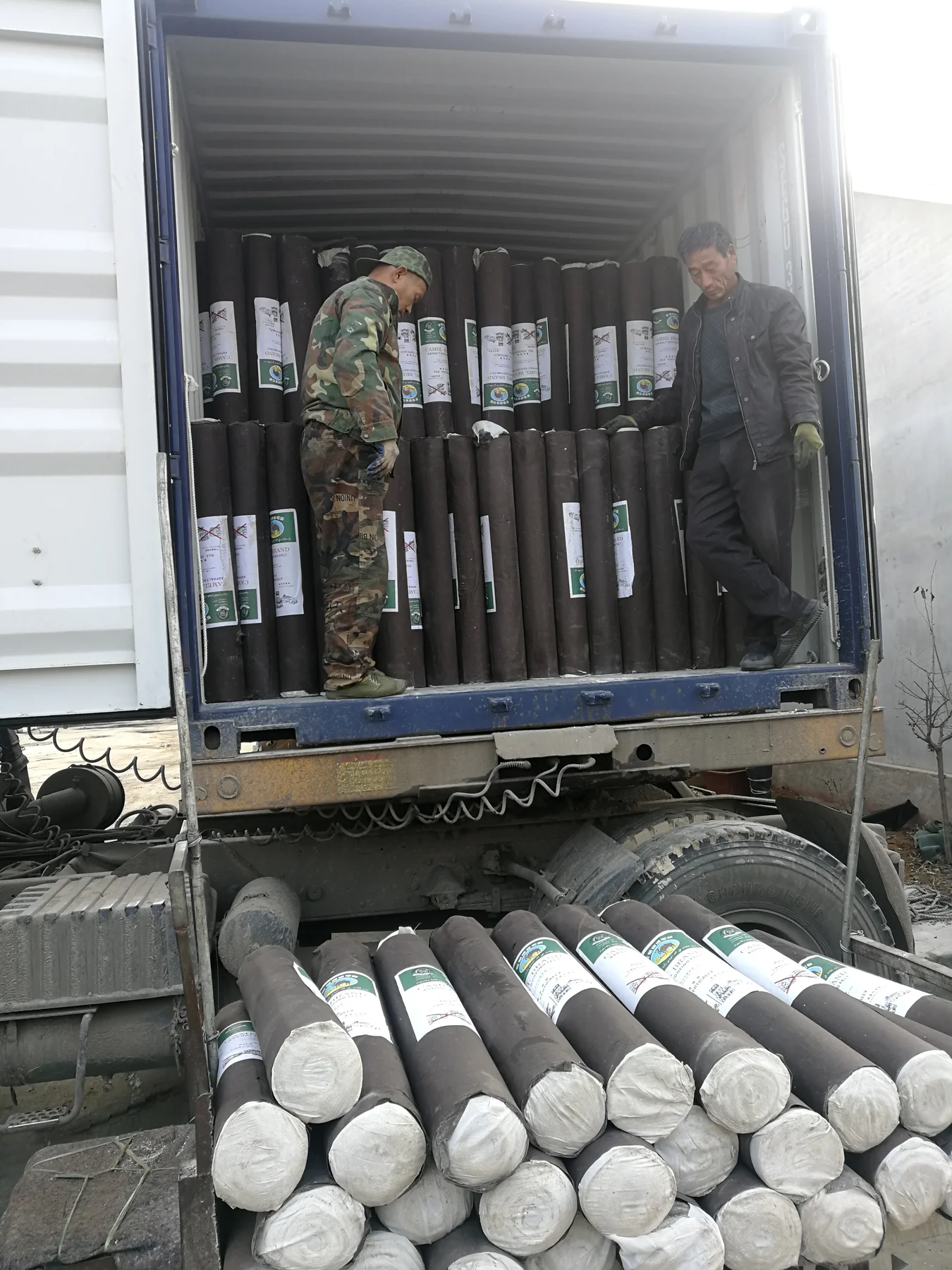
Merily’s real cargo images include loose-loaded arrangements. A different handling arrangement needs its own quotation and approval.
Put it in your buying record
| Decision | Loose-loading enquiry | Pallet enquiry |
|---|---|---|
| Handling | How will rolls be moved? | What handling unit is required? |
| Quantity | Roll-based loading plan | Revised roll and pallet count |
| Mass and volume | Packed rolls and protection | Include additional materials |
| Approval | Loading and receiving agreement | Supplier and forwarder confirmation |
Questions buyers ask
Is palletised delivery always better?
It depends on handling, cost, equipment and the product arrangement.
Can we use the same loading count?
Recalculate when the packing or handling unit changes.
Does Merily offer pallets as standard?
Confirm the actual available arrangement for the order; do not assume it from general logistics practice.