
Retaining Roofing Felt Reference Samples for Bulk Orders
A retained sample is a reference for a particular supply, not a loose roll left in a warehouse corner. Agree what is retained, identify it clearly and keep its storage conditions in the record.
By Merily Waterproofing · Bulk supply for importers, distributors and building-material wholesalers
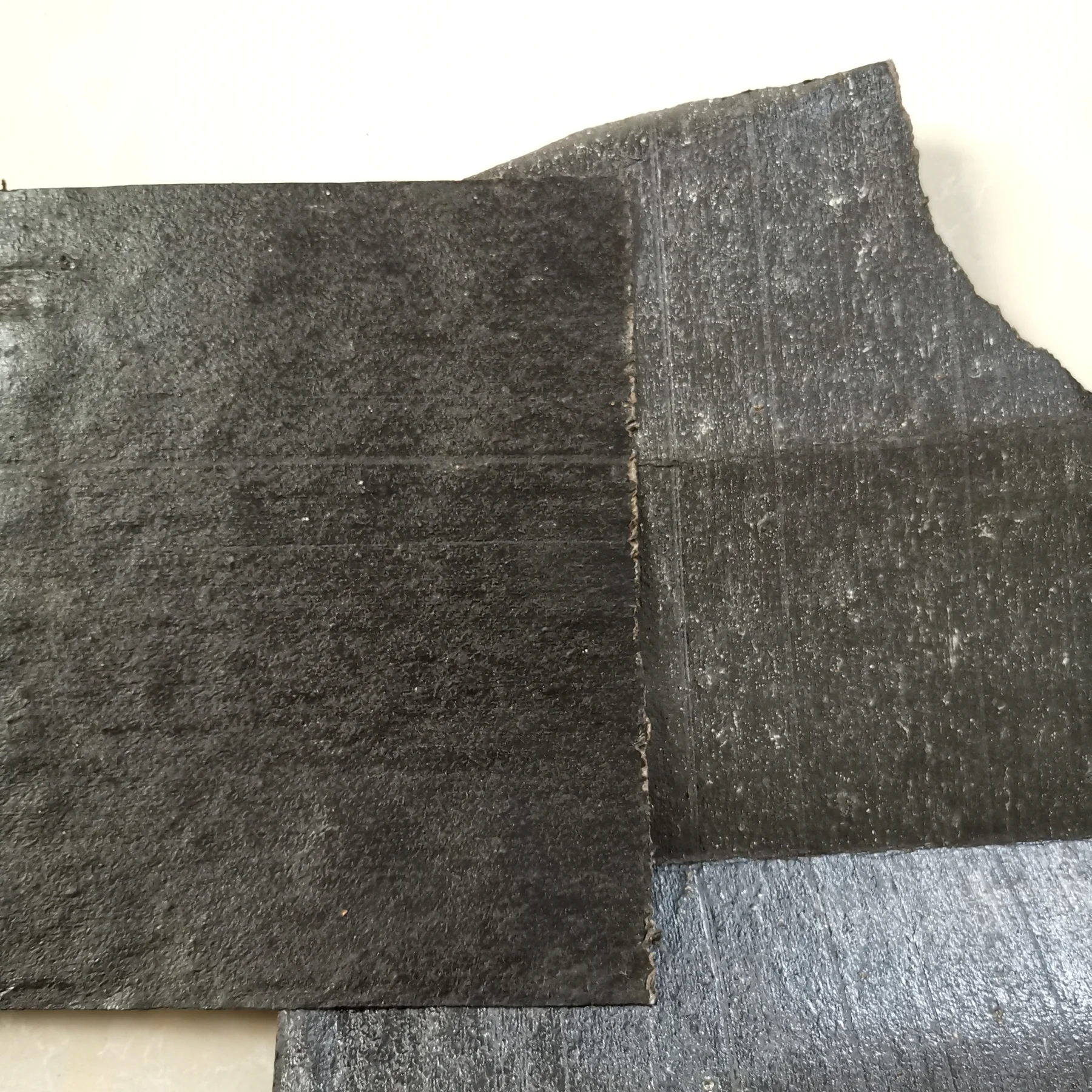
Define the reference purpose
Distinguish a pre-order approved sample from a sample retained from a dispatch. The first supports selection; the second can help review the supplied batch or shipment.
Neither should be presented as proof of every property unless the relevant tests and sampling basis support that claim.
Record identity and condition
Attach the item specification, order or shipment reference, date and any agreed sealing details. Photograph the reference before storage.
Ask what retention arrangement is available for your order. Do not assume that a supplier retains a particular quantity for a particular period without confirmation.
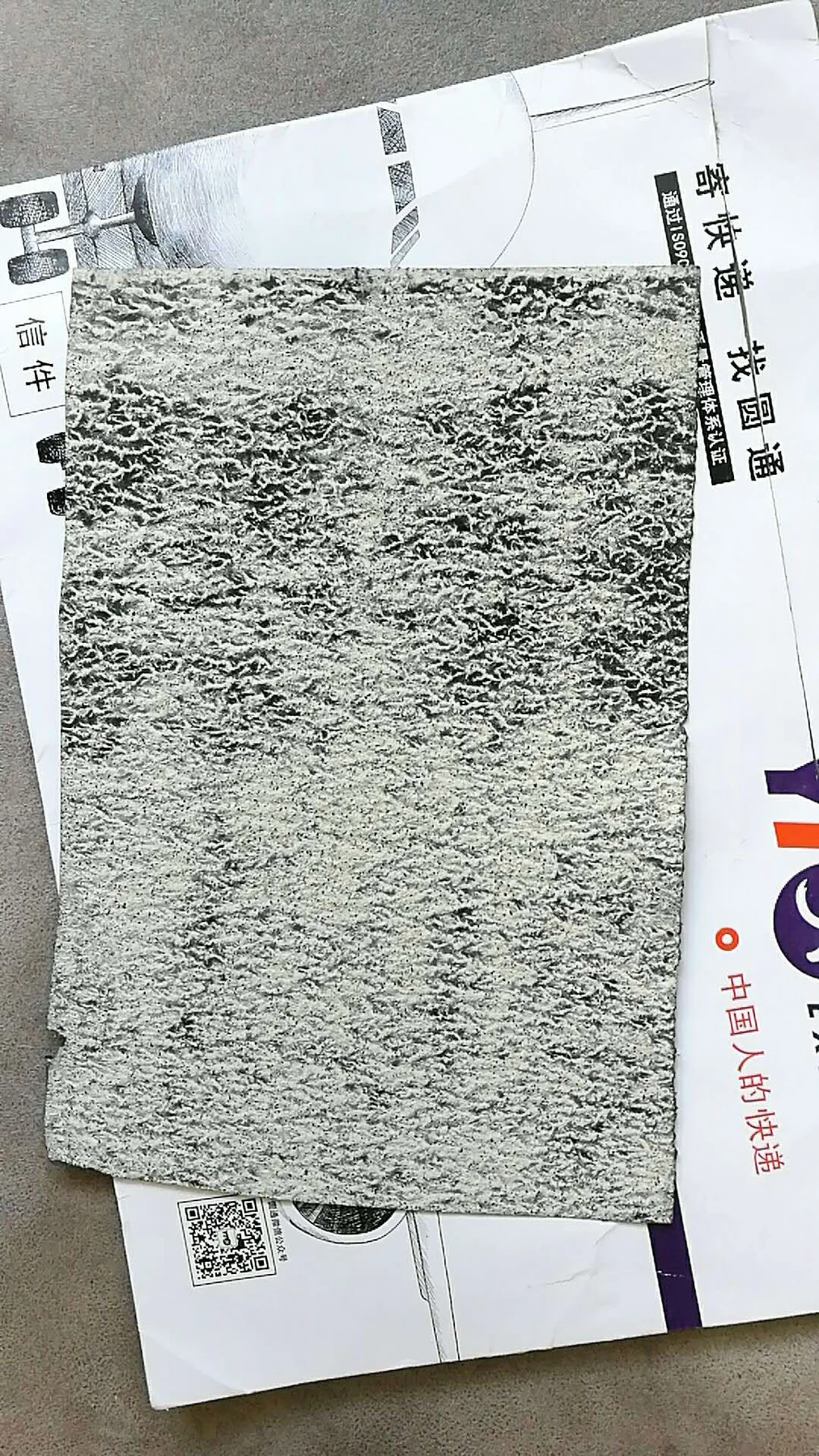
Agree access and review procedures
Decide how a retained reference will be used if a question arises. Keep the measurement method and comparison basis consistent.
Storage can affect condition, so a later comparison should consider where and how the reference was kept. A useful retained sample supports a discussion; it does not replace the contract or other evidence.
Put it in your buying record
| Retention field | What to agree | Why |
|---|---|---|
| Identity | Item and shipment reference | Correct comparison |
| Quantity and form | Sample arrangement | Useful future review |
| Storage and duration | Conditions and retention period | Condition context |
| Access | Who can inspect and how | A practical review process |
Questions buyers ask
Is the approved sales sample the same as a shipment sample?
Not necessarily. Keep their identities and purposes separate.
Does Merily retain a sample automatically?
Confirm the available arrangement for the specific order rather than assuming.
Can a retained sample decide a complaint alone?
It is one part of the evidence, alongside measurements, receiving records and agreed terms.