
Managing Moisture Risk During Roofing Felt Sea Transport
Sea transport exposes packed rolls to a different environment from ordinary warehouse storage. Discuss moisture, packaging and container condition before loading rather than waiting to interpret damage at arrival.
By Merily Waterproofing · Bulk supply for importers, distributors and building-material wholesalers
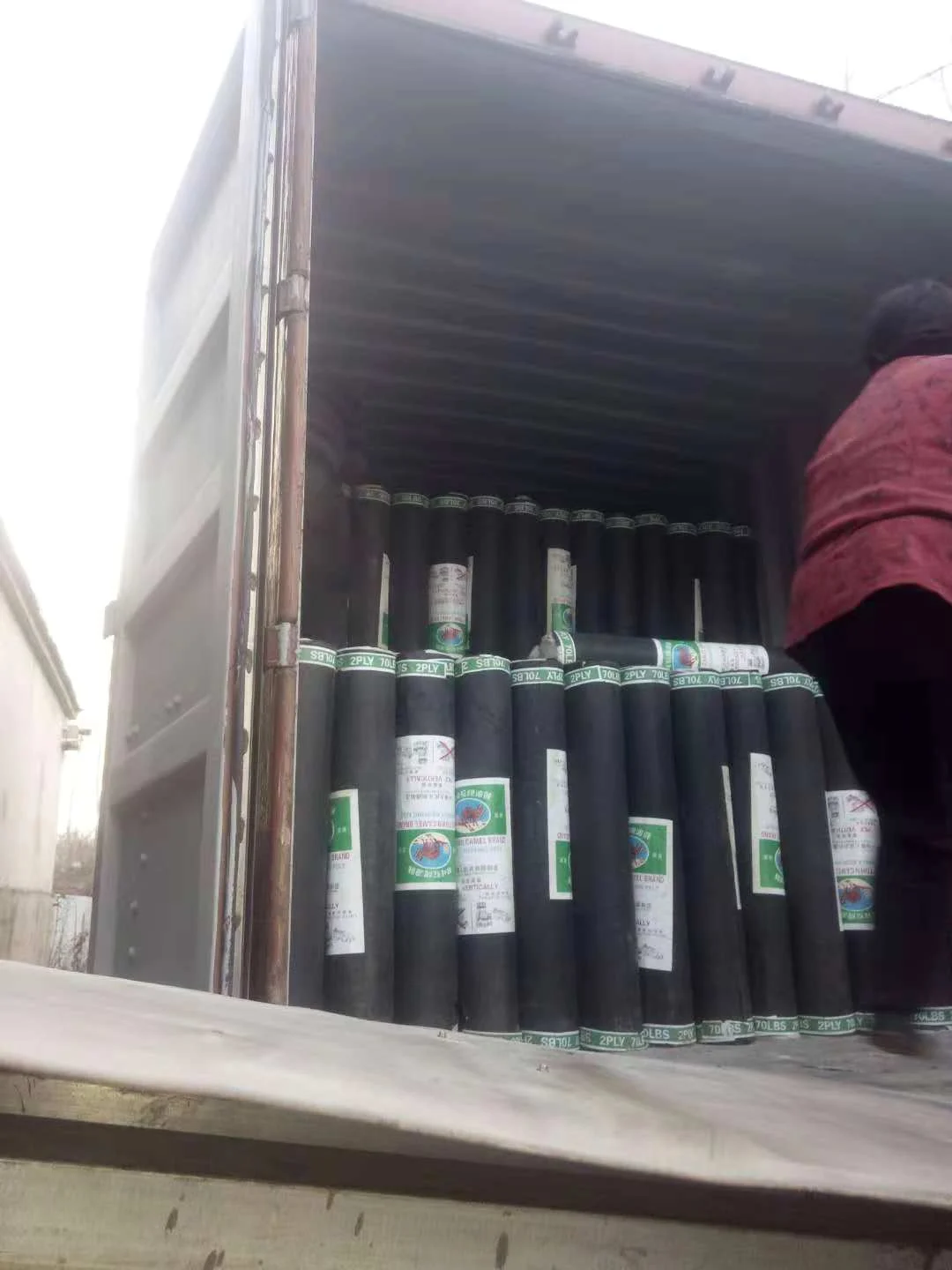
Separate water entry from condensation
External water and moisture forming within a transport environment are different issues. Both need appropriate cargo preparation and a suitable container.
A clean-looking outer wrapper alone does not establish the moisture condition throughout the shipment. Record actual conditions where they matter to the investigation.
Agree a practical protection plan
Ask the forwarder and packing team to consider cargo condition, container condition, route and time in transit. Any desiccant, liner or other protective arrangement should be selected for the actual shipment.
Do not assume adding a generic quantity of moisture protection guarantees dry cargo. Merily can discuss the packing arrangement available for your selected rolls.
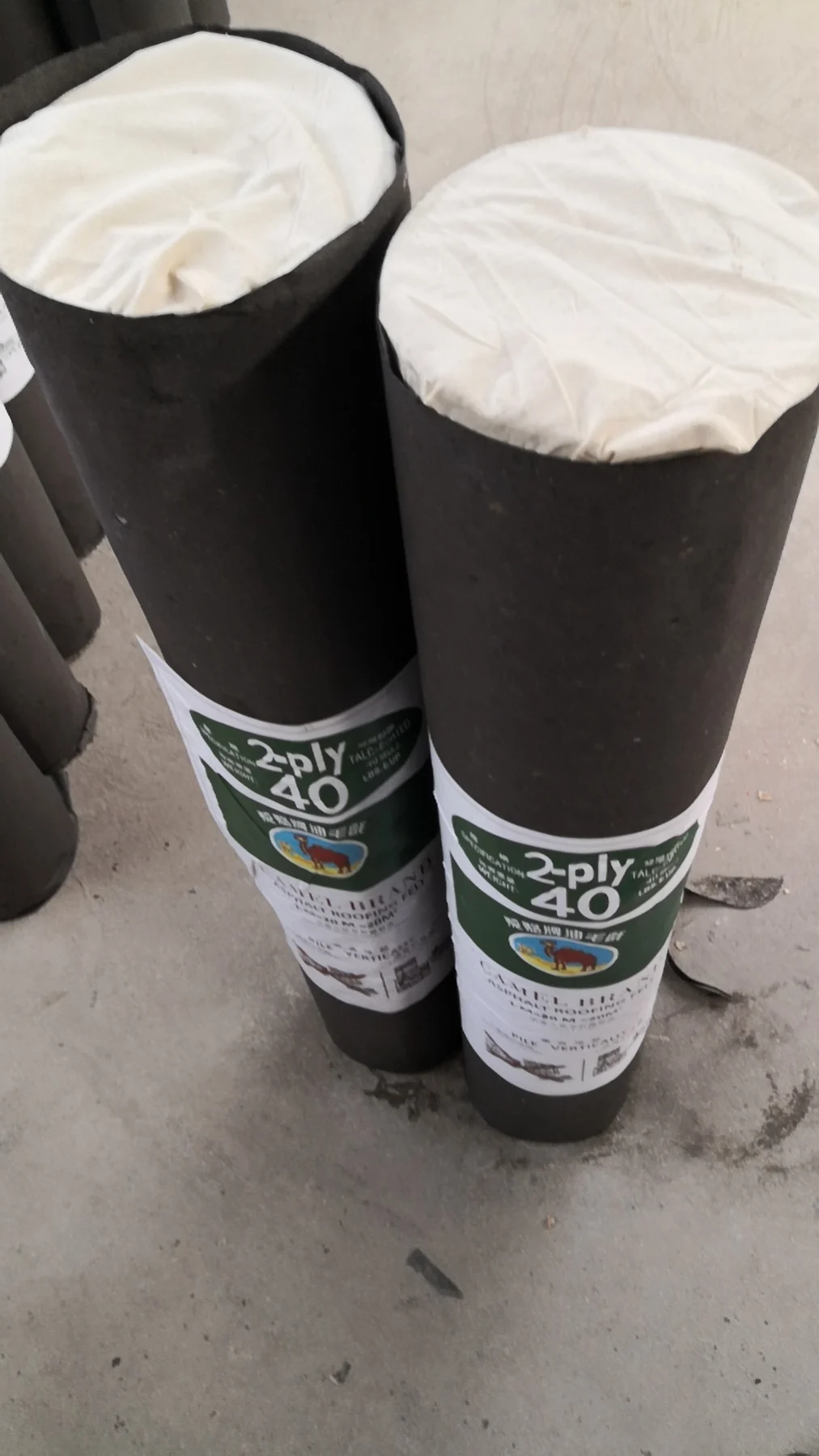
Keep evidence from both ends of the journey
Photograph container condition and cargo preparation before loading. On arrival, document any visible wetness or damage before disturbing the arrangement.
Store accepted rolls according to the agreed handling guidance and keep affected items identifiable if a review is needed. This article does not replace a cargo-specific transport plan.
Put it in your buying record
| Stage | Moisture question | Useful evidence |
|---|---|---|
| Before loading | Are cargo and equipment suitable? | Condition photographs |
| Packing approval | What protection is planned? | Agreed packing details |
| Transit planning | What route and duration apply? | Forwarder confirmation |
| Receiving | Where is wetness or damage observed? | Overall and close-up records |
Questions buyers ask
Does paper wrapping make rolls waterproof in transit?
Do not assume a wrapper is a complete transport barrier. Review the packing and shipment conditions.
Can we specify one desiccant amount for every container?
Use a cargo- and route-specific recommendation from the responsible transport or packing specialist.
What should receiving staff photograph?
Show overall cargo condition, affected locations, labels and the visible moisture or damage.