
Recognising Crushed Roofing Felt Rolls and Damaged Cores
A flattened roll end, a damaged core and a torn sheet are different observations. Identify them separately so the buyer and supplier can discuss handling damage without guessing from one photograph.
By Merily Waterproofing · Bulk supply for importers, distributors and building-material wholesalers
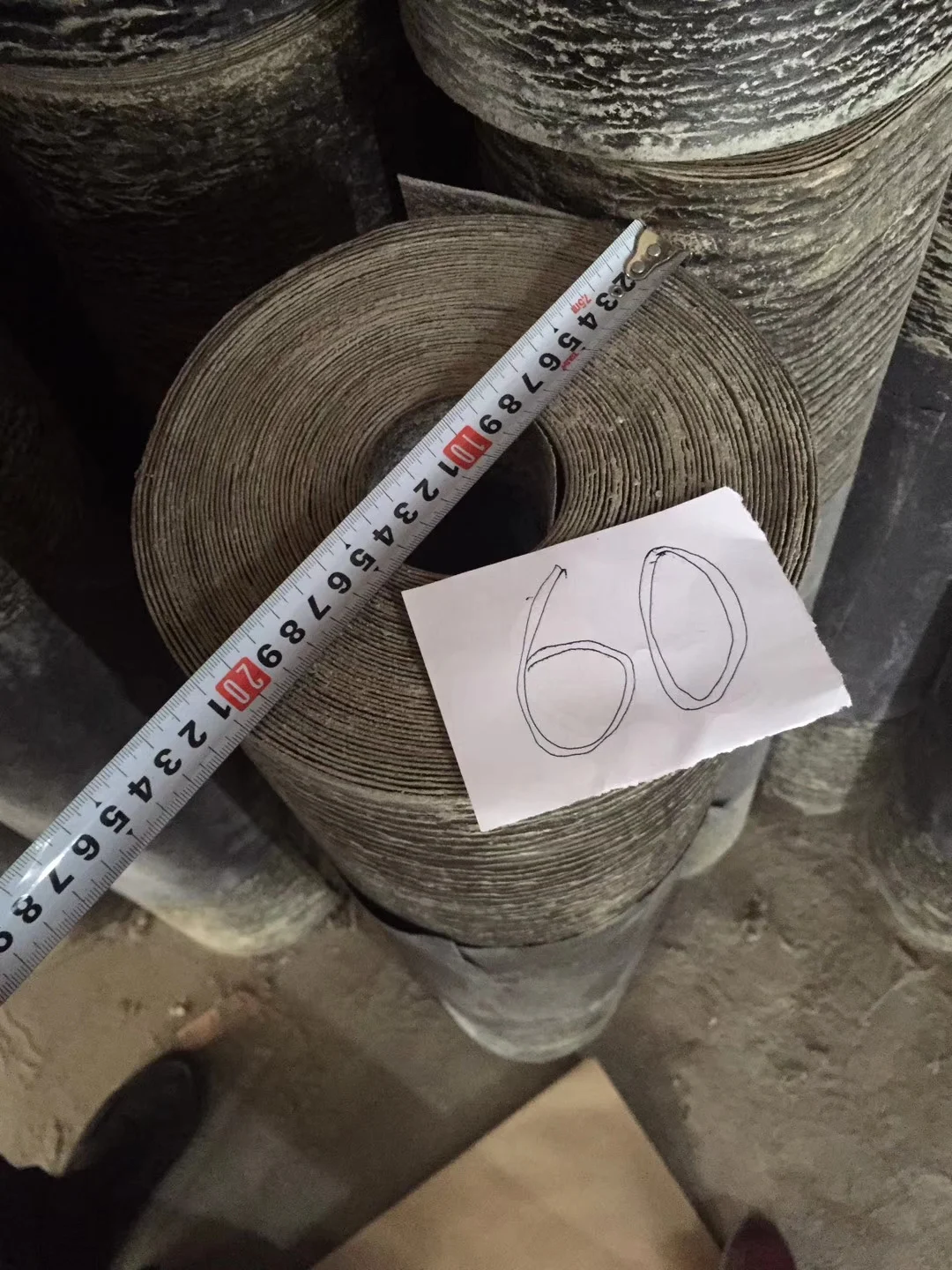
Photograph the whole sales unit first
Show the wrapper, both ends and the roll’s overall shape. Include the affected area in context. Keep the receiving and shipment references.
A close-up may show a damaged edge but conceal whether the whole roll is distorted.
Separate core condition from sheet condition
The core supports the wound roll; the paper base belongs to the sheet. A change in core shape does not automatically describe every layer’s condition.
If an opening check is appropriate, record the method and any visible sheet damage. Do not force the roll open just to produce a conclusion.
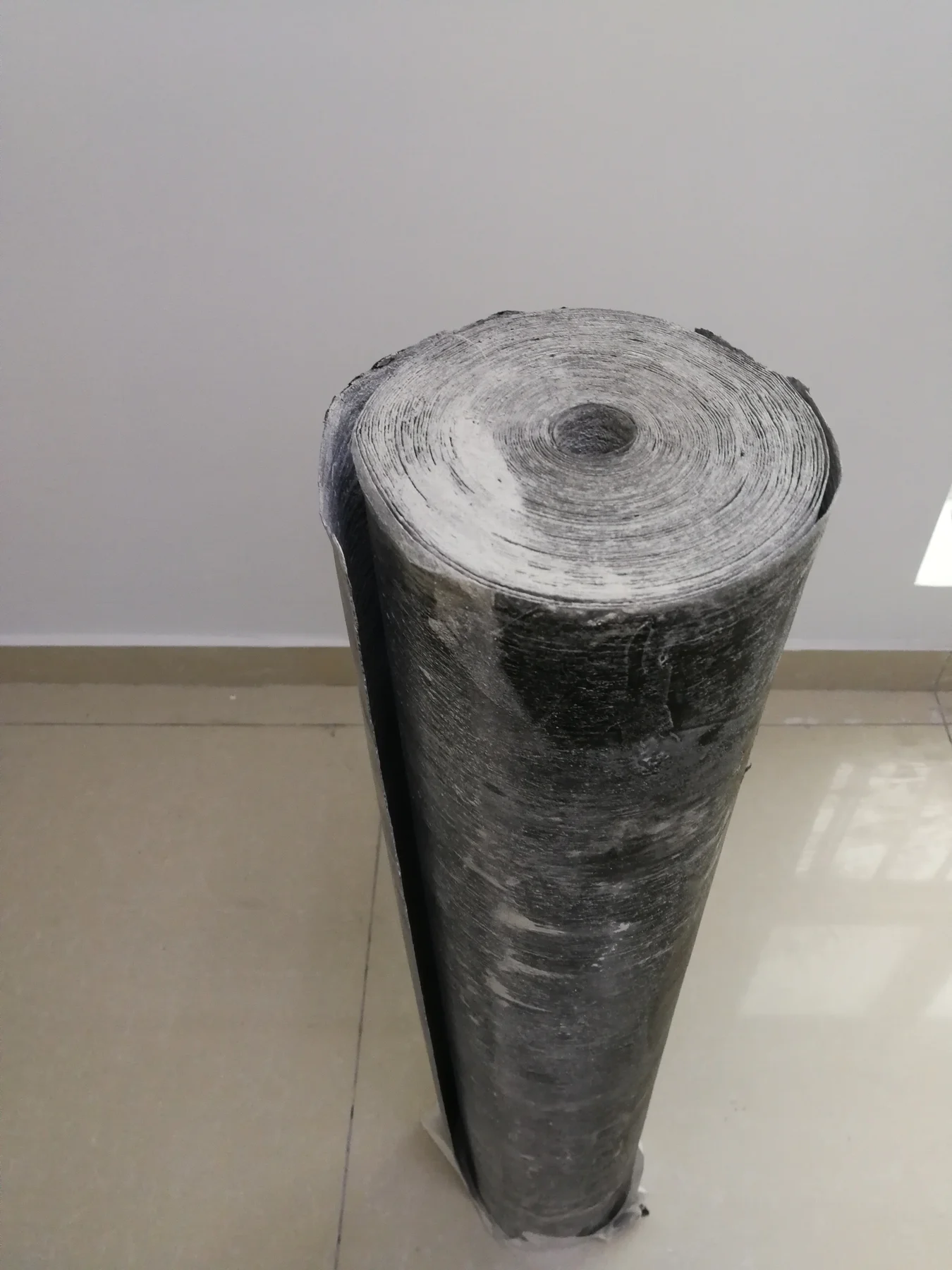
Connect the record to handling history
Note when the damage was first observed and what transport or warehouse information is available. Keep questioned goods identifiable during review.
Our real roll-end photographs help explain the packing and construction. They are not staged examples of defects or proof that damage cannot occur.
Put it in your buying record
| Observation | Useful view | Keep separate |
|---|---|---|
| Flattened outer shape | Whole roll and end | Core versus sheet condition |
| Core deformation | Clear end close-up | Hidden material properties |
| Torn wrapper | Packing and surrounding area | Extent of sheet damage |
| Visible sheet tear | Identified opening check | Cause and acceptance |
Questions buyers ask
Does a damaged wrapper mean the sheet is unusable?
Not automatically. Review the actual material and agreed requirements.
Can a core photograph show all hidden damage?
No. It establishes only what is visible in that view.
What should receiving staff retain?
Item identity, condition photos, affected quantity and the relevant delivery records.