
Setting Roofing Felt Reorder Points for Distribution
Set a reorder point before stock becomes urgent. For roofing felt distribution, the key inputs are demand during replenishment and the extra stock your business chooses to hold against uncertainty.
By Merily Waterproofing · Bulk supply for importers, distributors and building-material wholesalers
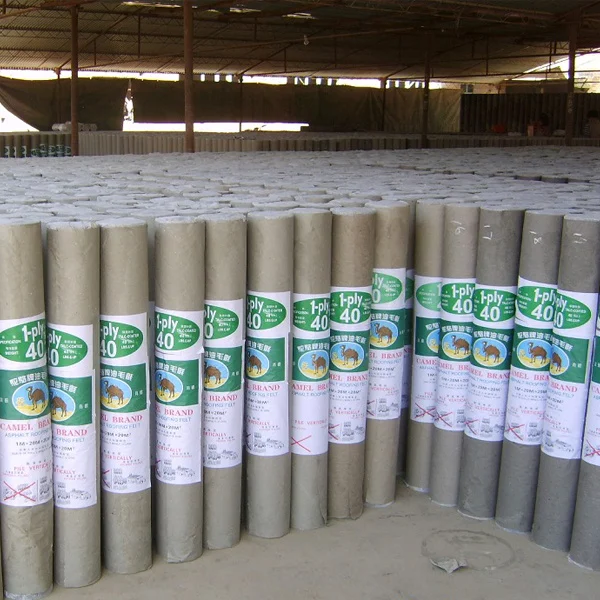
Measure the complete replenishment time
Include order confirmation, artwork approval if relevant, production, freight and receiving. Merily commonly discusses about 10–15 days for one container’s production preparation after specification and packing confirmation; that is not the full import lead time.
Use your own actual shipment history to estimate the time between ordering and stock becoming available for sale.
Calculate at specification level
A simple planning relationship is: reorder point = expected demand during replenishment + safety stock. Keep separate calculations for different roll sizes and packing versions.
Illustration: demand of 20 rolls a day over a 30-day replenishment period gives 600 rolls of expected demand. Add your independently chosen safety stock. The example is not a demand forecast.

Review the inputs when conditions change
A new shipping route, a customer contract or slower receiving can change the calculation. Compare planned and actual replenishment rather than copying the same number indefinitely.
A reorder alert should trigger a review of open orders and usable inventory, not an automatic duplicate purchase.
Put it in your buying record
| Input | Use | Avoid |
|---|---|---|
| Demand by item | Expected consumption during lead time | Mixing unrelated SKUs |
| Replenishment time | Confirmation to saleable stock | Using production days alone |
| Safety stock | Chosen buffer for uncertainty | Treating an example as policy |
| Open orders | Stock already on the way | Ordering the same need twice |
Questions buyers ask
Can I use one reorder point for all rolls?
Separate items with different demand or lead times. A blended point can hide shortages.
How much safety stock is correct?
Choose it from your demand variability, service requirements and storage constraints.
When should we review the calculation?
Review after material changes in sales or replenishment, and compare it with actual stockouts and excess stock.