
Record Compound Base Mat Sample Locations for a Useful Evaluation
A test result is easier to interpret when the sample’s origin is known. Link each composite-mat specimen to the construction, roll and position before sending it for evaluation.
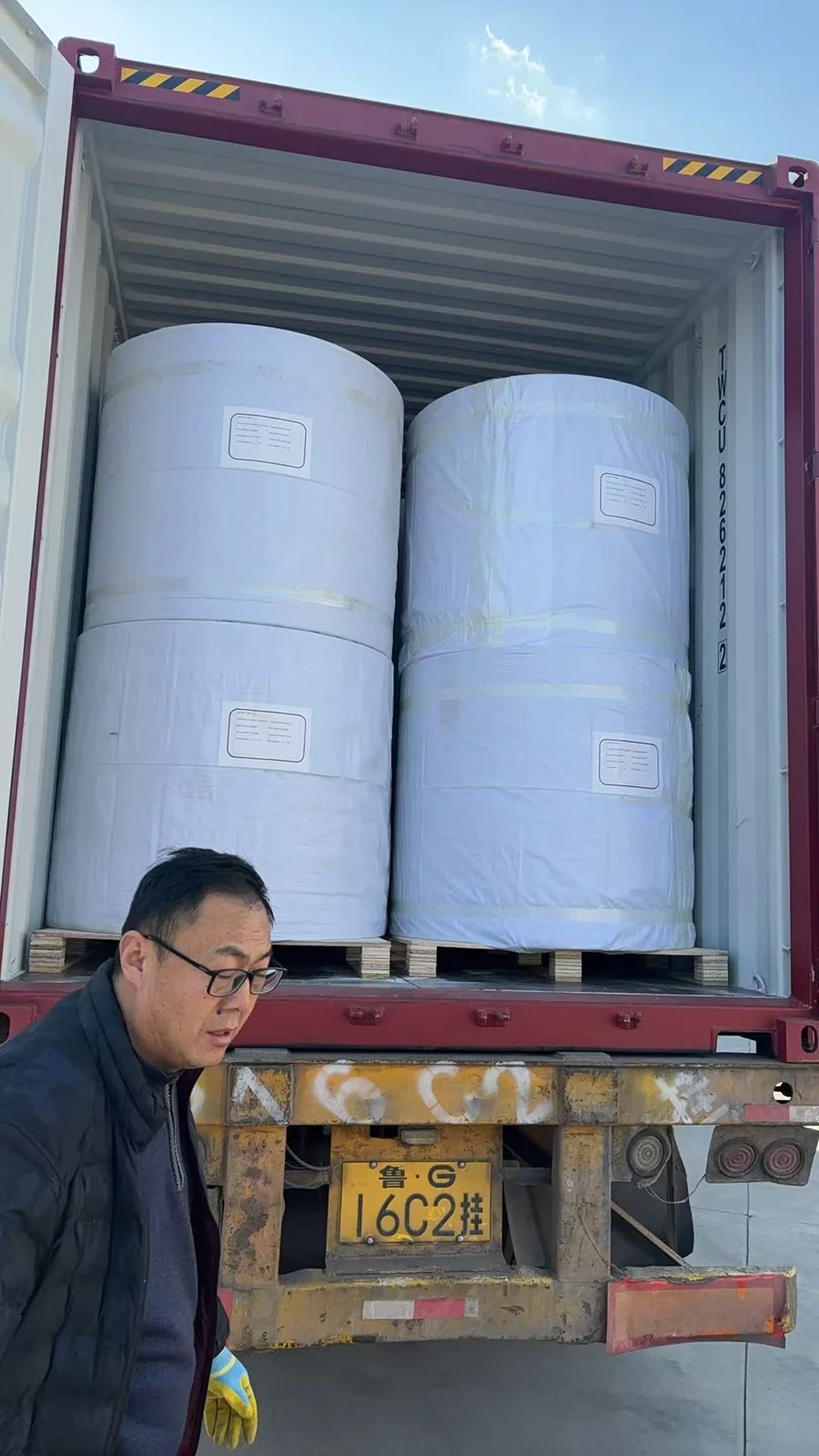
Identify the parent material
Retain the grade, construction type and available roll or lot reference. If the sample is taken from a trial delivery, keep the shipment identity with it.
Separate a supplier selection sample from a production-roll sample. Their origins are different even when the material descriptions match.
Mark orientation and location
Where relevant to the evaluation, record machine and transverse directions, the width zone and position along the roll. Use a simple sketch if it makes the location clearer.
Do not infer orientation from a photograph alone. A specimen that has been rotated or cut should retain the marking needed for the directional result.
Sample-location label
On a phone, swipe the table sideways to see every column.
| Field | Record |
|---|---|
| Parent | Construction, grade and roll reference |
| Origin | Selection sample or delivered material |
| Orientation | MD / TD where applicable |
| Position | Width zone and length location |
| Preparation | Applicable conditioning and method |
| Result link | The exact specimen identification |
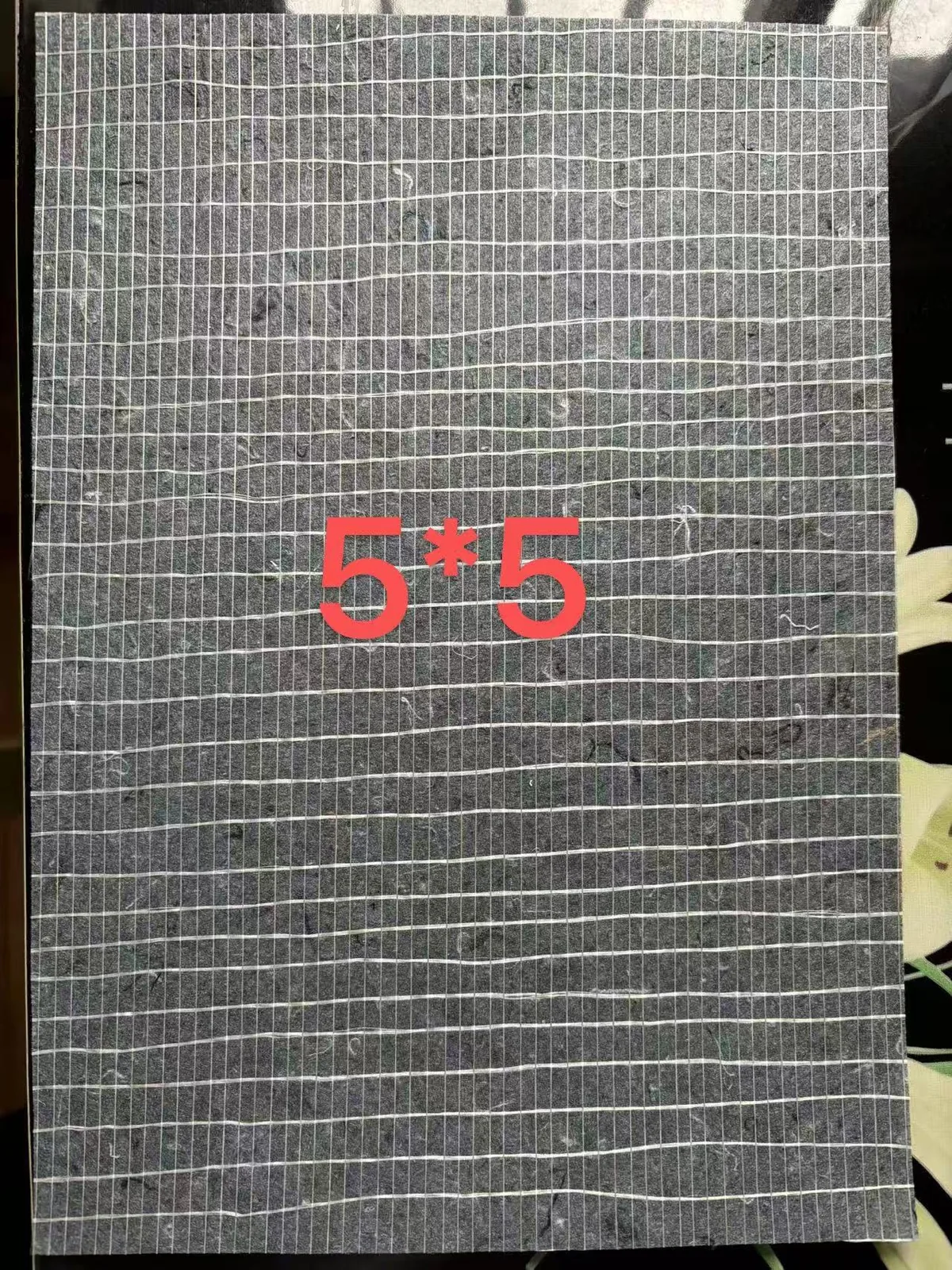
Connect preparation to the requested test
Use the specimen preparation and conditioning appropriate to the agreed method. Record the actual test request, unit and acceptance criterion separately from the location sketch.
An unidentified cut piece can still be examined visually, but it cannot provide the same traceable comparison as a specimen connected to its parent material.
Keep the record with the conclusion
Attach the sample identity to each result or observation. If multiple locations are combined in a summary, retain the individual records so the summary can be interpreted.
Send Merily the grade, evaluation need and sample references. Clear origin information helps separate a local observation from a statement about an entire supplied lot.
Questions for This Purchase
Can one unlocated sample represent an entire lot automatically?
Agree the sampling basis before making a lot-level conclusion.
Should MD and TD remain marked after cutting?
Yes where the requested evaluation depends on direction.
What accompanies the sample?
Material identity, location and the defined evaluation request.
Send your specification.
Get a clear material quote.
Tell us what you produce, the material you need and your required roll format. Include the quantity and destination port so we can prepare the product and packing details together.
Useful details: thickness or basis weight, width, roll length or weight, core, quantity and application. For release film, add coated side and release requirements.
Standard production: approximately 10 days for one 40-ft container order. Customized specifications: approximately 10–15 days. Confirm the schedule with the final order.