
Specify Release-Film Peel Force Without Buying the Wrong Liner
Ask for a release-film system that works with your adhesive—not just a low peel-force number. A useful specification identifies the coated face, adhesive, conditioning and test method together. That gives your purchasing and production teams the same material to approve.
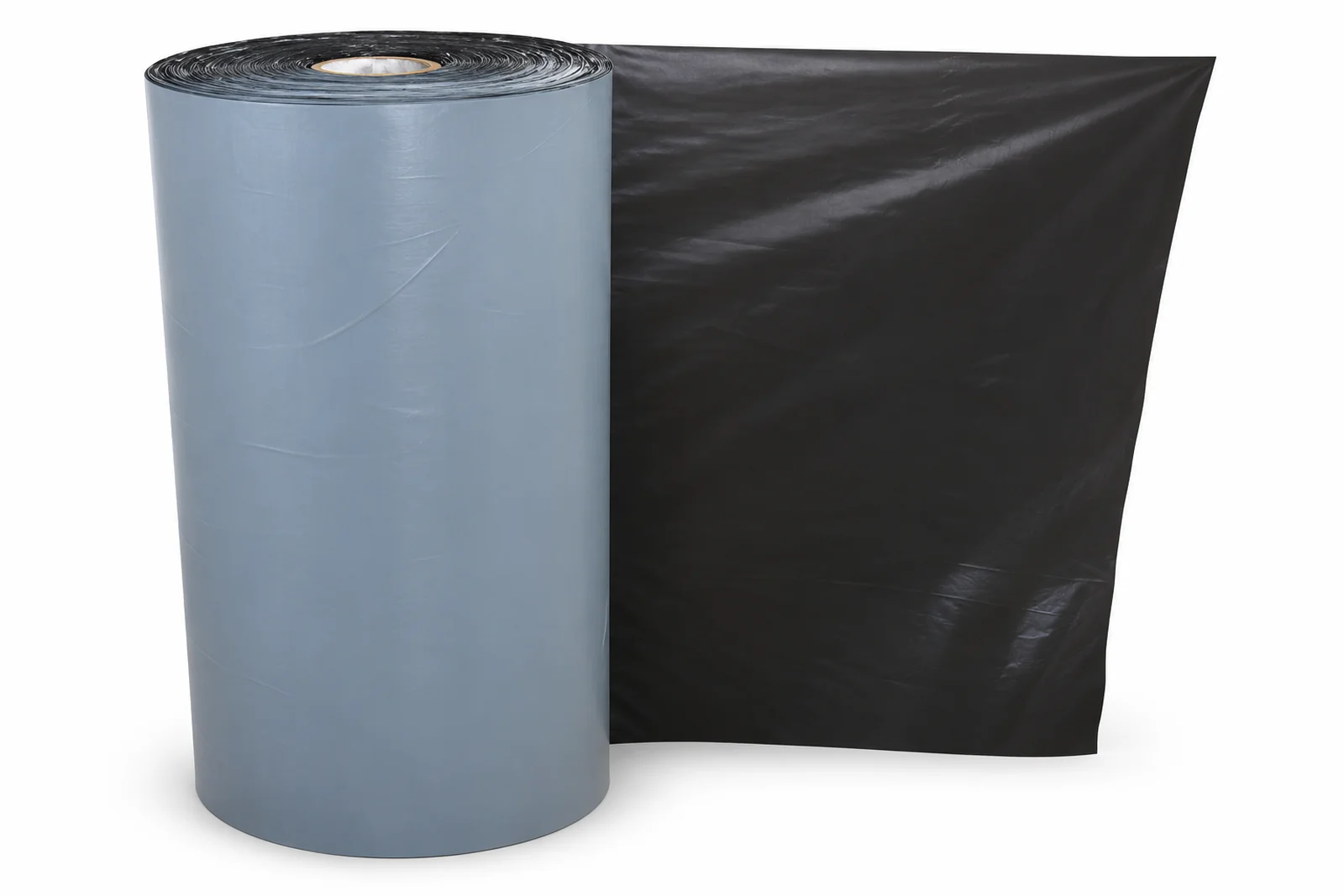
Start with the interface, not the substrate name
At Merily, our release-film range includes PE and PET formats for waterproofing membrane manufacturers. The substrate tells you what the carrier film is; it does not, by itself, define the release behaviour. A PE or PET description needs the release-coating and application information beside it.
Before requesting a quotation, identify the film face that touches your adhesive. If you send an existing sample, mark that face and its unwind orientation. A photograph of the roll and a labelled strip are more useful than a request for “easy-release film” with no process information.
Make the number comparable
A peel-force value needs its measurement basis. Ask which method, specimen width, peel geometry, speed and conditioning were used. Record the force unit exactly as reported. Numbers measured under different conditions should not be treated as equivalent simply because the printed values are close.
Define the adhesive or membrane sample used for evaluation. Also state whether the result is measured soon after preparation or after a specified conditioning period. This article does not assign one universal release force to all bitumen adhesive systems; your approved trial provides the comparison for the material you actually buy.
What belongs beside a release-force requirement
On a phone, swipe the table sideways to see every column.
| Specify | Why the buyer needs it |
|---|---|
| Adhesive-contact face | Identifies the functional coating side |
| Adhesive or membrane reference | Connects the number to the intended interface |
| Method, unit and specimen basis | Makes values meaningfully comparable |
| Conditioning and evaluation stage | Identifies when the result was obtained |
| Acceptance requirement | Records the limit agreed for that test |
| Sample and specification revision | Connects approval to the ordered material |
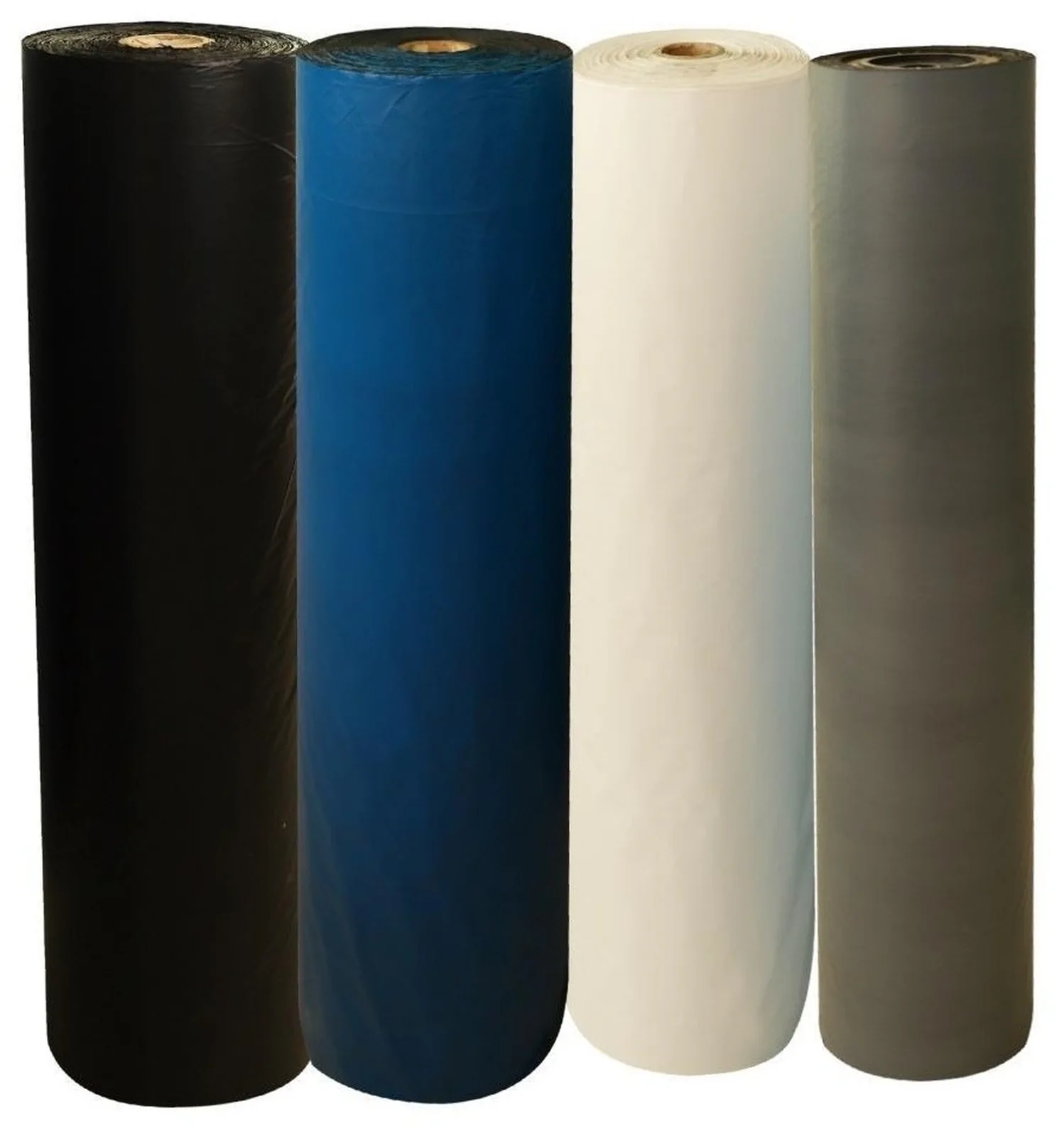
Keep coating choices separate from film strength
A requirement for coating on one face is not the same order as coating on both faces. State which side is functional and what the other side is allowed to contact during winding. Ask the supplier to identify the quoted construction rather than assuming that a two-sided description matches your existing sample.
Film tensile properties and release force answer different questions. A stronger substrate does not establish a particular peel force. Keep the mechanical requirements and the release-system requirement as separate lines in the order specification.
Turn the approved trial into a repeatable order
Use the same sample reference in the trial record, quotation and purchase order. Include the selected substrate, gauge, width, coated face and winding requirement. Our common PE gauges are 35 / 40 μm; common PET gauges are 25 / 30 / 36 μm, with common widths of 960/1060 mm. Those dimensions identify a supply format, not a release-force guarantee.
Once your production team accepts a material, preserve the agreed test conditions with the acceptance limits. If an adhesive, coating requirement or process condition changes, flag that change before a repeat order. Send us your current liner sample information and required roll format so the quotation can address both the release system and the production roll.
Questions for This Purchase
Can I specify release film by peel force alone?
No. Include the adhesive, coated face, test conditions and roll specification. A number without its basis is not a complete purchasing requirement.
Does PET automatically give a higher release force than PE?
No. Substrate strength and release force are different properties. Confirm the release coating and adhesive-specific evaluation.
Should I put a wet coating-liquid weight in the release-force field?
No. Coating-liquid application mass, dry coating mass and release force are different quantities. Define each separately if required.
Send your specification.
Get a clear material quote.
Tell us what you produce, the material you need and your required roll format. Include the quantity and destination port so we can prepare the product and packing details together.
Useful details: thickness or basis weight, width, roll length or weight, core, quantity and application. For release film, add coated side and release requirements.
Standard production: approximately 10 days for one 40-ft container order. Customized specifications: approximately 10–15 days. Confirm the schedule with the final order.