
Raw Material Buying Guides
Make a clearer material decision. Explore release films, surface films, polyester reinforcement and composite base mats—with grade-specific figures, practical checklists and real supply photographs.
Start with Your Purchasing Question
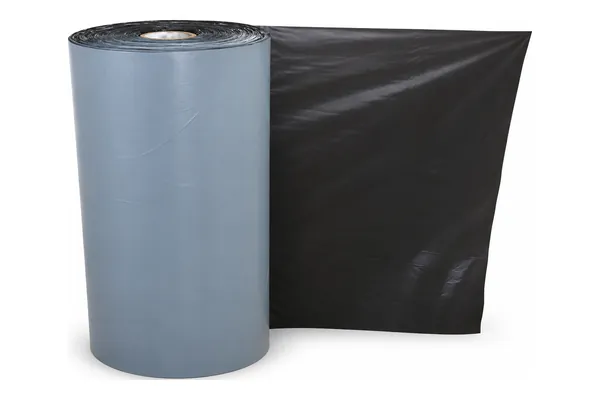
Specify Release-Film Peel Force Without Buying the Wrong Liner
Ask for a release-film system that works with your adhesive—not just a low peel-force number.
Read the Buying Guide →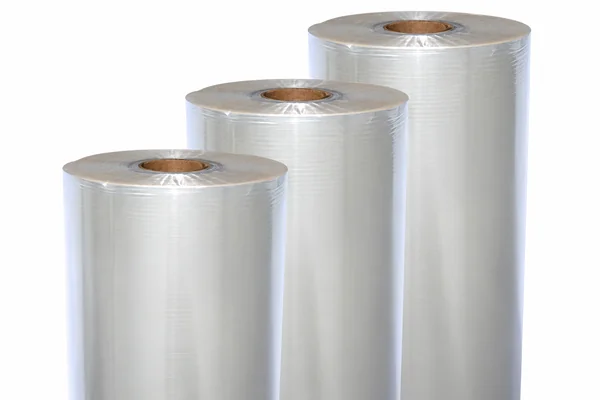
Evaluate Release Film with Your Bitumen Adhesive, Not a Generic Sample
A liner approval is most useful when the sample, adhesive and production conditions are traceable.
Read the Buying Guide →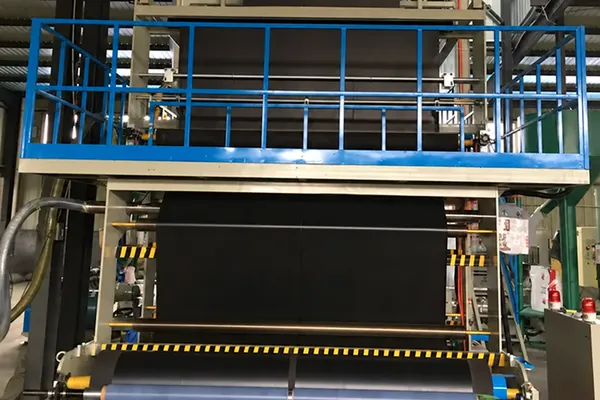
Specify Release-Film Heat Requirements Around Your Actual Membrane Process
Do not buy a release film on an unsupported temperature label.
Read the Buying Guide →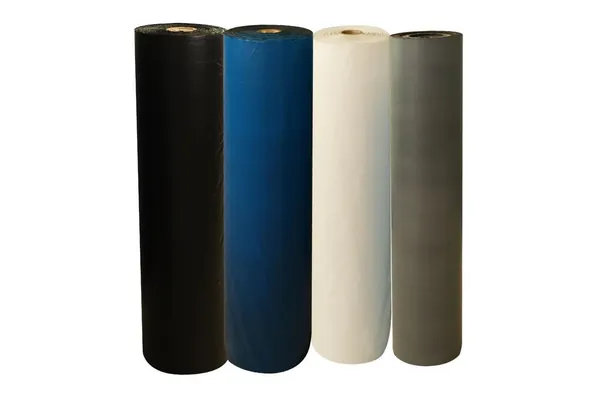
Choose Release-Film Thickness with Area Yield and Roll Handling in View
Thickness affects the amount of film purchased for a given area, but it is only one part of a usable liner specification.
Read the Buying Guide →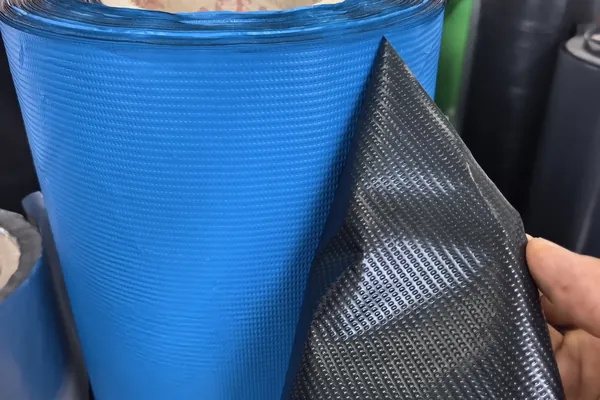
Read Release-Film Tensile and Elongation Requirements as a Pair
A release-film mechanical specification needs more than a strength number.
Read the Buying Guide →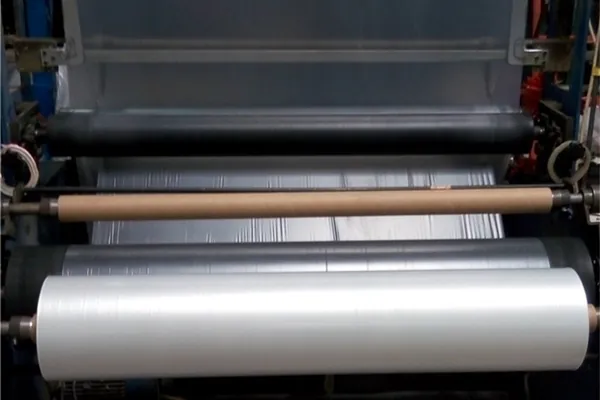
Buying Thin PE Surface Film for SBS Membrane Production
For thin PE surface film, start with the membrane layer and the production format—not the broad phrase “SBS film”.
Read the Buying Guide →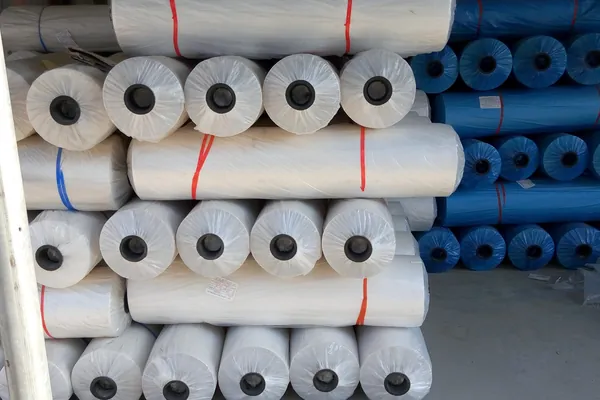
PE Surface Film or PE Release Film? Identify the Layer Before Buying
Two films can both be polyethylene and still serve different jobs.
Read the Buying Guide →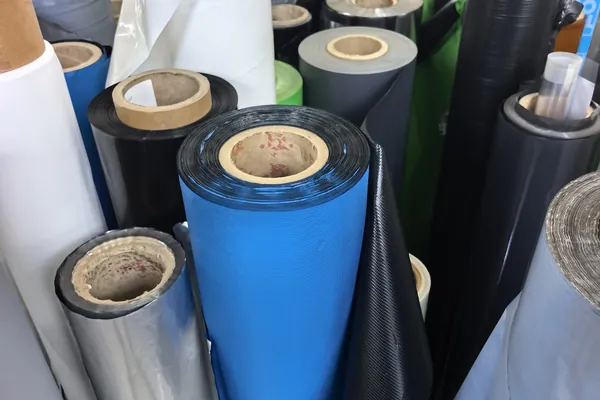
Specify Thin PE Film Thickness Uniformity Without Confusing Average and Range
A nominal gauge is a starting point, not a complete thickness inspection plan.
Read the Buying Guide →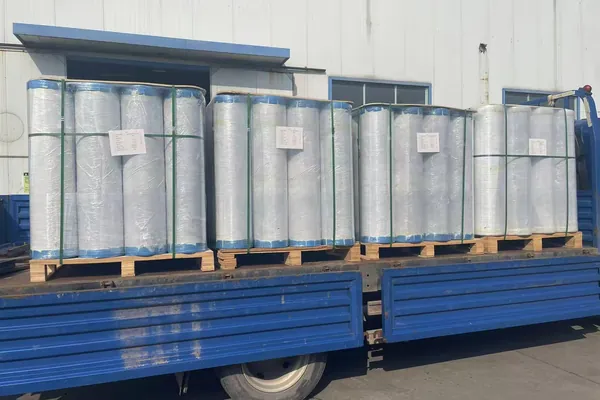
Evaluate Thin PE Surface Film Under Your Membrane Heating Conditions
The useful question is not “does PE handle heat?” It is whether the quoted thin film performs its intended role in your actual membrane process.
Read the Buying Guide →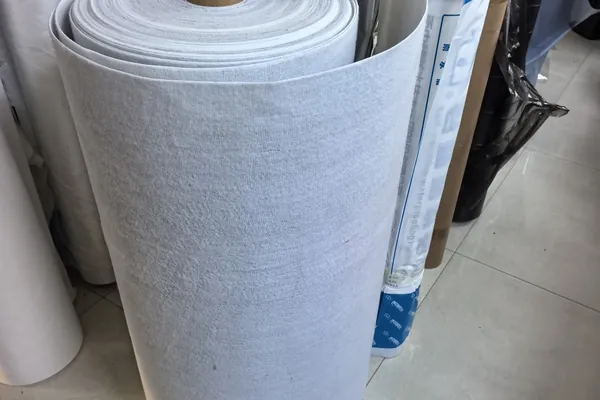
Buying Continuous-Filament Polyester Reinforcement for Bituminous Membranes
Buy the reinforcement grade and the production roll together.
Read the Buying Guide →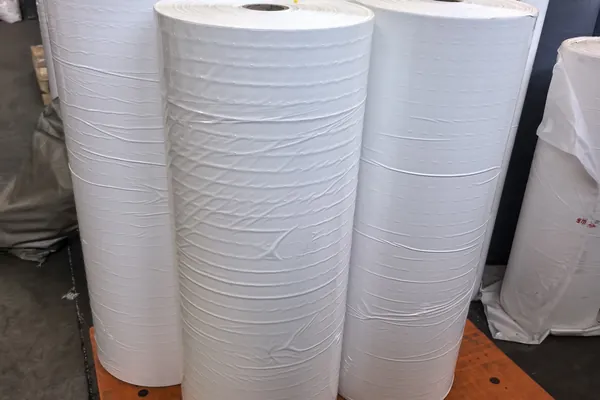
Continuous-Filament or Staple-Fibre Polyester Mat: Compare the Actual Grade
The fibre description helps identify a polyester carrier, but it is not a complete performance ranking.
Read the Buying Guide →
Select Polyester Reinforcement Basis Weight Without Losing the Rest of the Specification
Choose the basis weight alongside the mechanical requirements and roll plan.
Read the Buying Guide →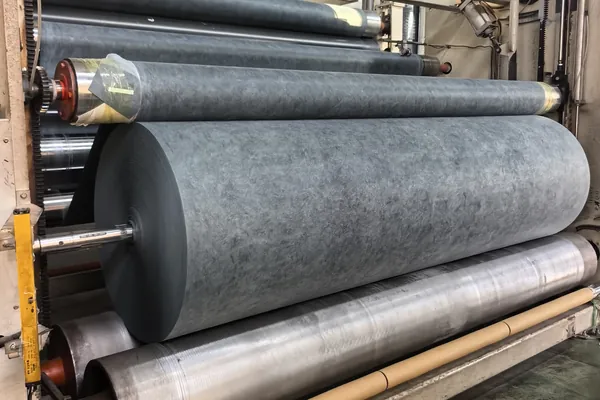
Read MD and TD Together in a Polyester Reinforcement Specification
Directional data should survive every handover from the technical table to the quotation and purchase order.
Read the Buying Guide →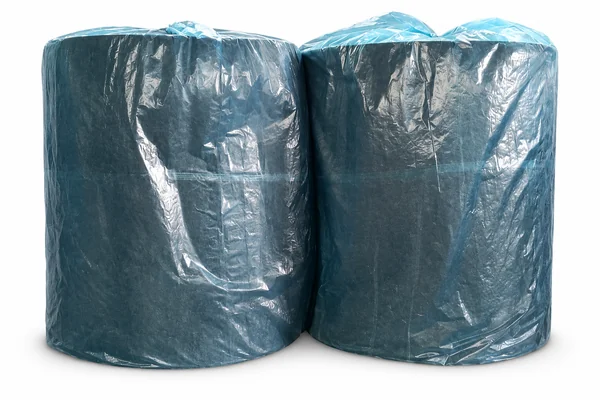
Buying Glass-Scrim-Reinforced Composite Base Mat for Membrane Production
For composite base mat, buy the stated construction—not an anonymous roll with a familiar weight.
Read the Buying Guide →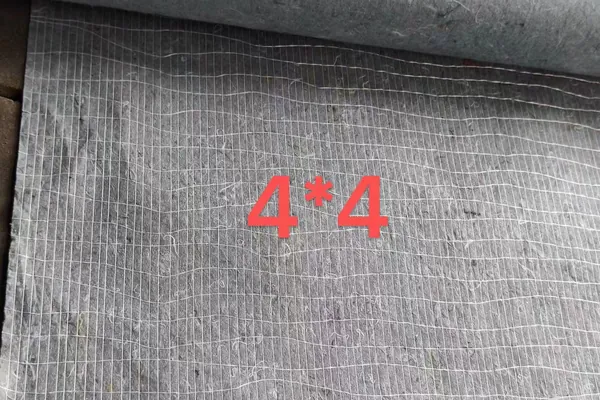
Specify Composite Reinforcement Mesh Without Losing the Construction Detail
A mesh label is useful only when the supplier and buyer interpret it the same way.
Read the Buying Guide →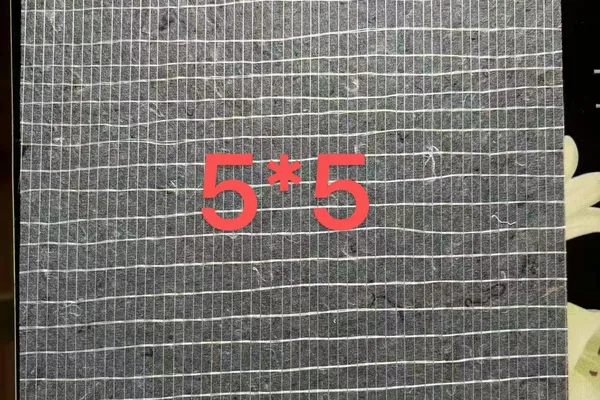
Choose Composite Base Mat Weight by Its Matching Mesh Grade
For composite base mat, a basis-weight number should stay connected to its construction.
Read the Buying Guide →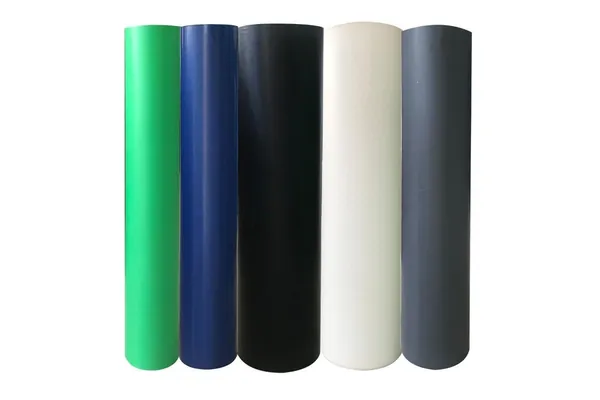
Buying Cross-Laminated HDPE Film for Self-Adhesive Membrane Facings
Specify cross-laminated HDPE as a construction, not just a colour.
Read the Buying Guide →
Cross-Laminated HDPE or Ordinary HDPE Facing: Compare Construction Before Substitution
Both offers may say HDPE, but that does not make them the same film.
Read the Buying Guide →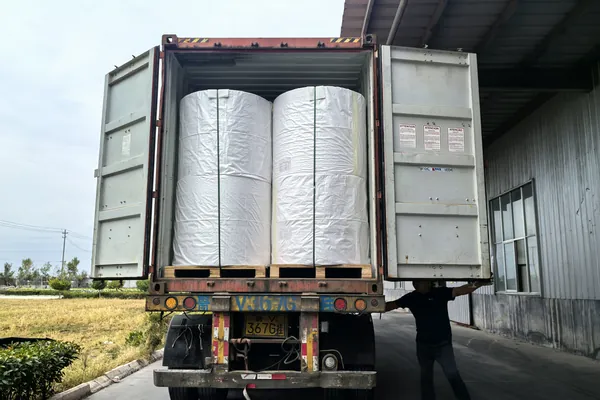
Qualify a Membrane Raw-Material Supplier with Connected Product Evidence
A useful supplier check connects the material, sample, specification and shipment.
Read the Buying Guide →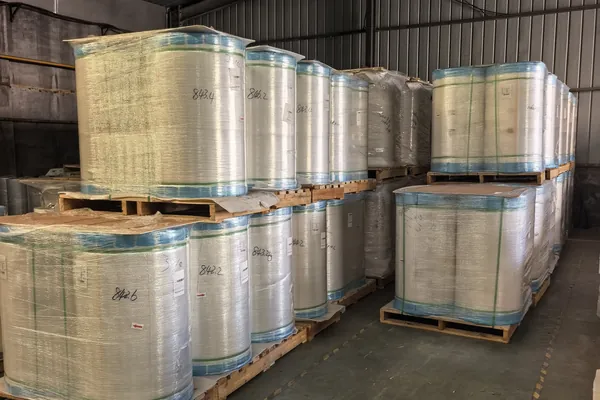
Write a Membrane Raw-Material RFQ That Produces Comparable Offers
Put the material function, technical requirement and production roll in the same request.
Read the Buying Guide →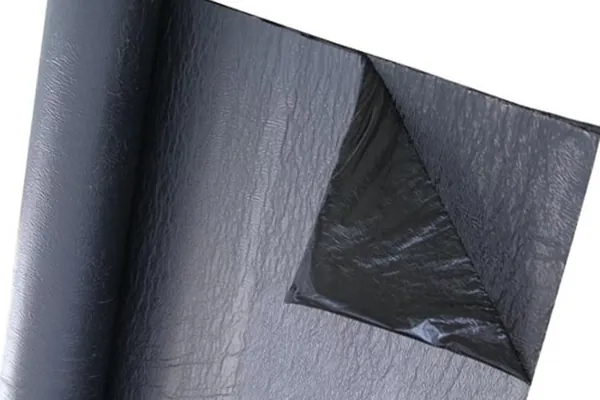
Choose Clear or Coloured Release Film Without Confusing Colour with Performance
Specify colour for the identification and production purpose you need, then define release performance separately.
Read the Buying Guide →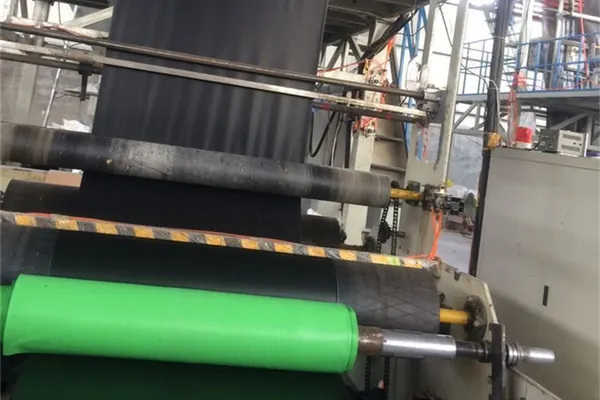
Specify HDPE Surface Film for the Actual Bituminous Membrane Facing
For HDPE surface film, identify the facing duty first.
Read the Buying Guide →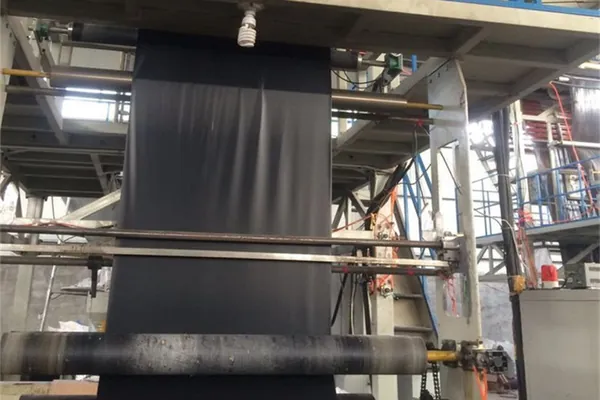
Prepare an HDPE Shrink-Wrap Trial for Finished Membrane Rolls
For a wrapping trial, send the finished-roll dimensions and the packaging process with the film request.
Read the Buying Guide →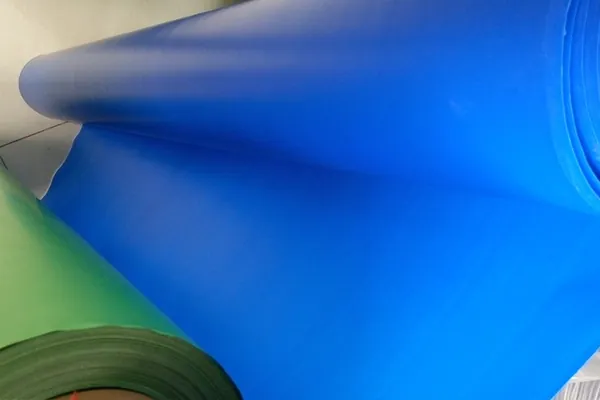
Thin PE Surface Film and Thick HDPE Facing: Choose by Layer Function
The names both include polyethylene, but the supply ranges and intended duties differ.
Read the Buying Guide →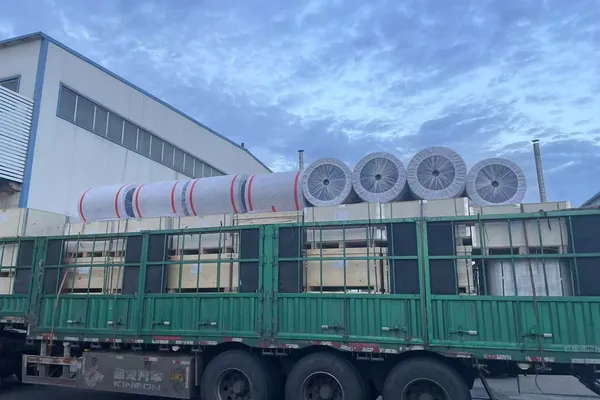
Protect Polyester Reinforcement Identification and Packing During Storage
Plan storage around the actual roll and applicable material instructions.
Read the Buying Guide →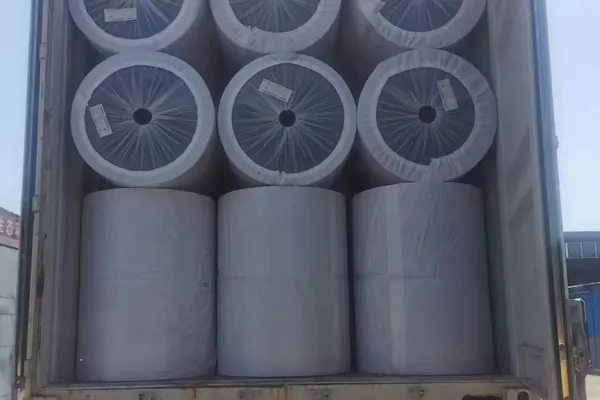
Specify Compound Base Mat Roll Length Without Borrowing Polyester Figures
Confirm the actual composite-mat roll format before calculating quantity or freight.
Read the Buying Guide →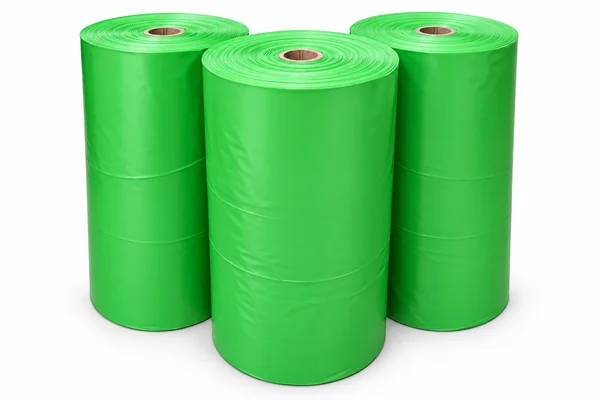
PET Carrier Film and Polyester Nonwoven: Same Polymer Family, Different Forms
Specify the physical reinforcement form before buying.
Read the Buying Guide →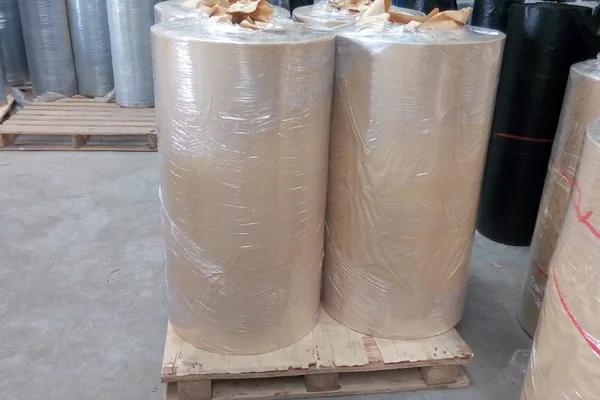
Calculate PET Carrier Film Roll Weight Before Fixing a Pallet Target
A 2000 m roll and a 900 kg pallet target do not always fit the same dimensions.
Read the Buying Guide →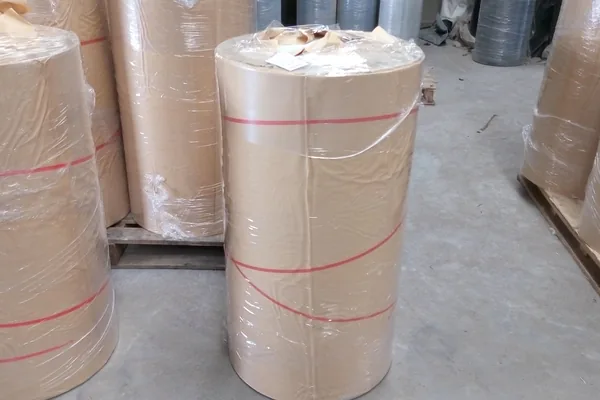
PET Carrier Film vs PET Release Film: Specify Function Before Thickness
A PET base does not determine the product’s function.
Read the Buying Guide →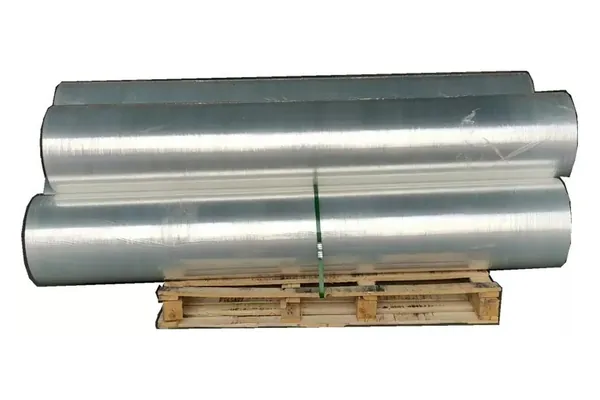
PET / Aluminium Foil Laminate vs Metallized PET Film for Membrane Facings
Confirm whether you need a physical aluminium-foil layer or a metallized PET surface.
Read the Buying Guide →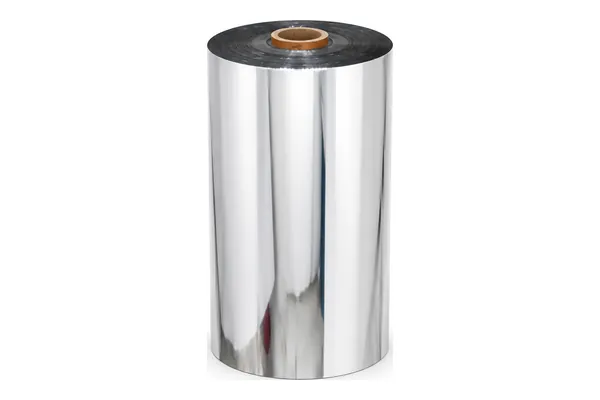
Read PET / Aluminium Foil Laminate Layer Structure in the RFQ
Write both the total thickness and the PET / foil structure when ordering.
Read the Buying Guide →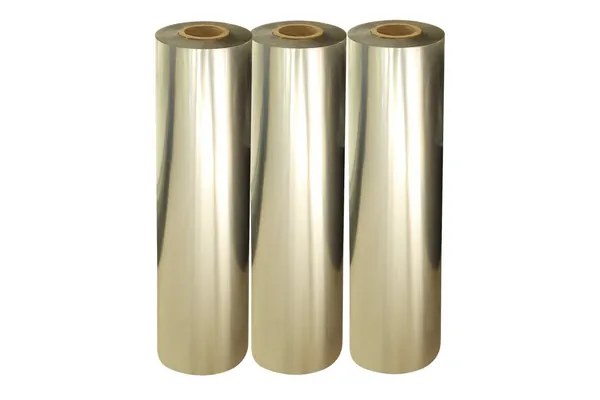
Define Metallized PET Surface-Adhesion Evaluation for Your Membrane Facing
Identify the surface and interface before requesting an adhesion value.
Read the Buying Guide →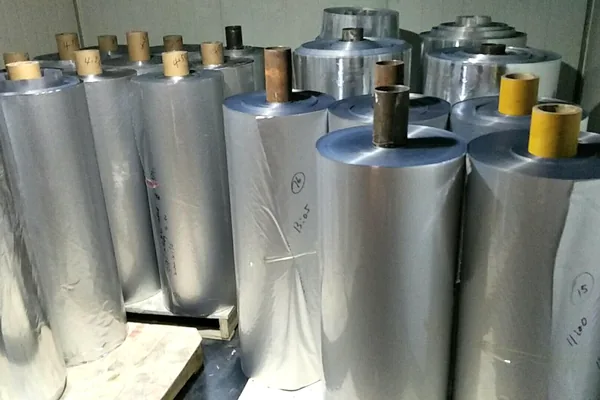
Convert PET / Aluminium Foil Laminate Kilograms into Square Metres
Use the area-per-kilogram reference for the actual laminate construction.
Read the Buying Guide →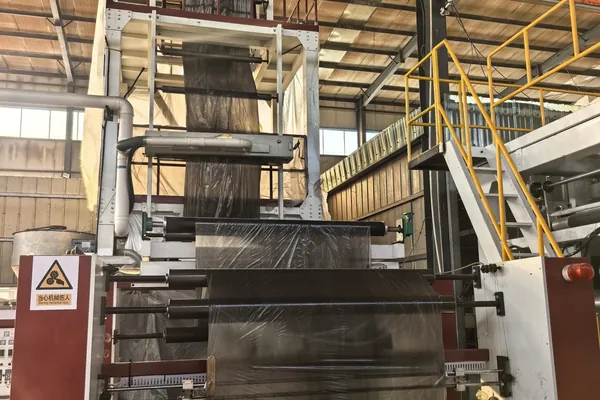
Plan a Membrane Raw-Material Trial Order Around the Decision You Need
A trial order should answer a defined production question.
Read the Buying Guide →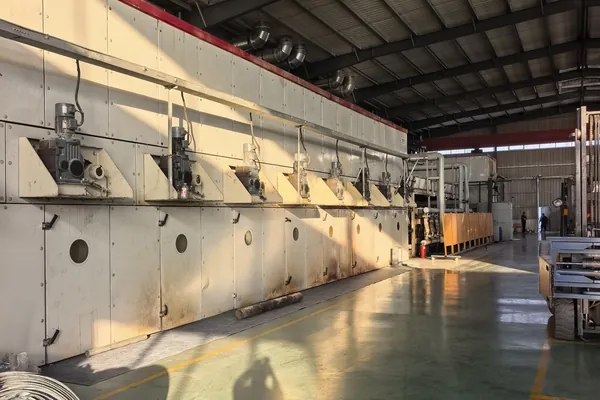
Confirm Raw-Material MOQ and Lead Time Against the Actual Specification
Ask for minimum order quantity and lead time after defining the product.
Read the Buying Guide →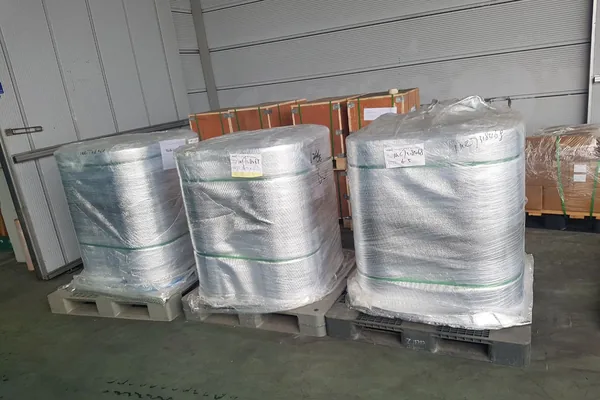
Request the Right Inspection Documents for Membrane Raw Materials
Specify the document you need and the material it must identify.
Read the Buying Guide →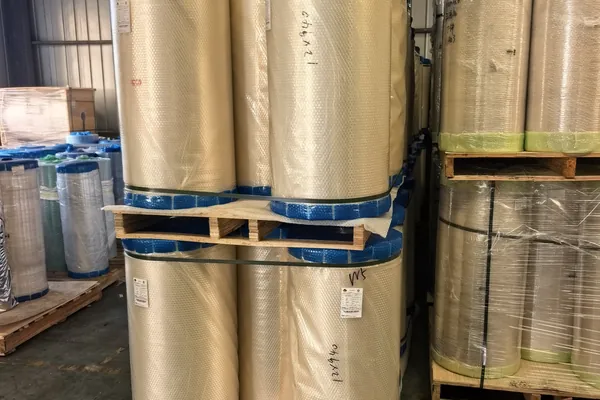
Agree Raw-Material Roll Labels That Your Receiving Team Can Use
Useful labels connect a roll to the selected material and its packing record.
Read the Buying Guide →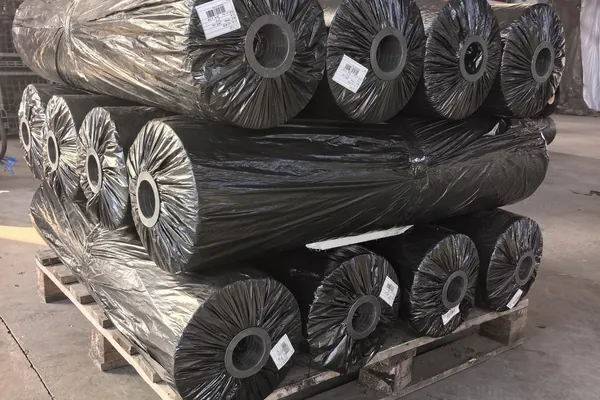
Build a Receiving Checklist for Membrane Raw Materials
Check identity and packing first, then apply the agreed material acceptance procedure.
Read the Buying Guide →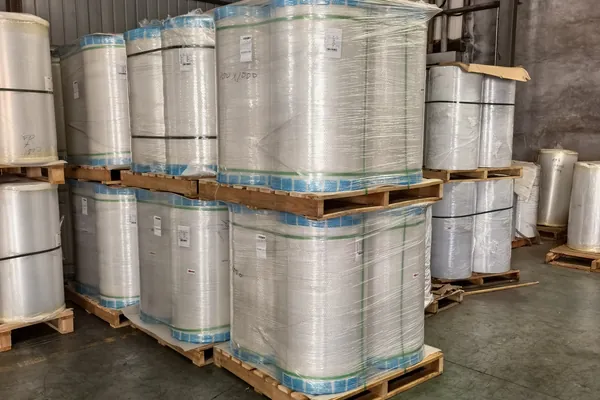
Plan a Mixed Container of Membrane Raw Materials by Actual Packed Units
A mixed raw-material shipment needs more than a total tonnage target.
Read the Buying Guide →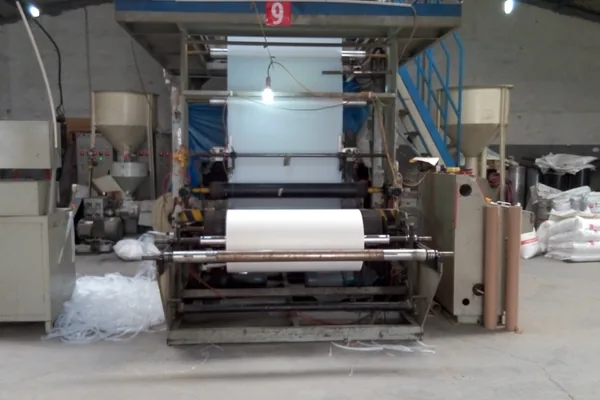
Control Approved Raw-Material Specification Revisions Before Reordering
A repeat product name does not prove an unchanged specification.
Read the Buying Guide →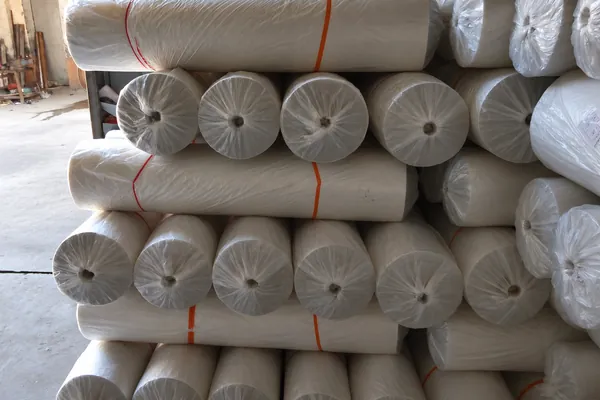
Read Thin PE Surface-Film Tensile Data with Its Reference Gauge
A tensile value is useful when the grade, direction and specimen basis stay attached to it.
Read the Buying Guide →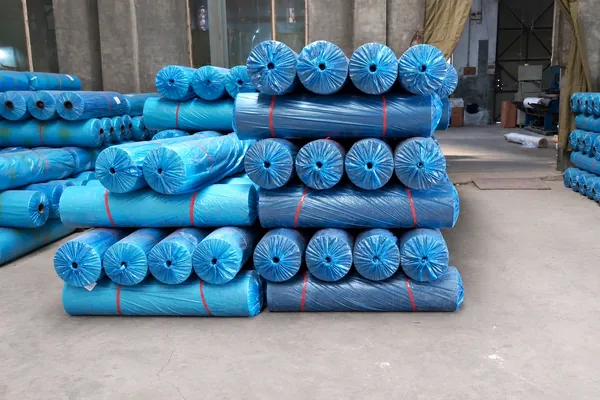
Calculate Thin PE Film Roll Length from Net Film Weight
Use net film weight, gauge and actual width to estimate length.
Read the Buying Guide →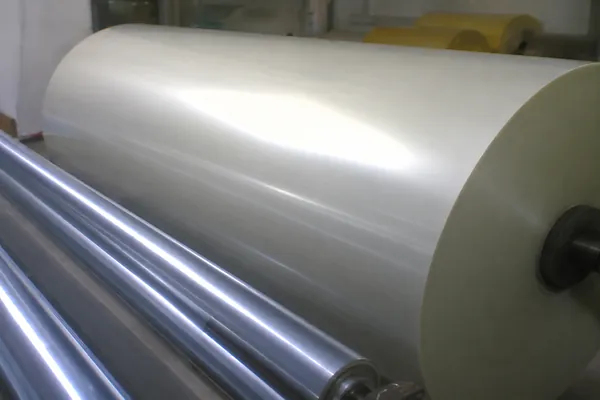
Specify Release-Film Splices Before They Reach Your Production Line
A splice is a supply detail worth agreeing before dispatch.
Read the Buying Guide →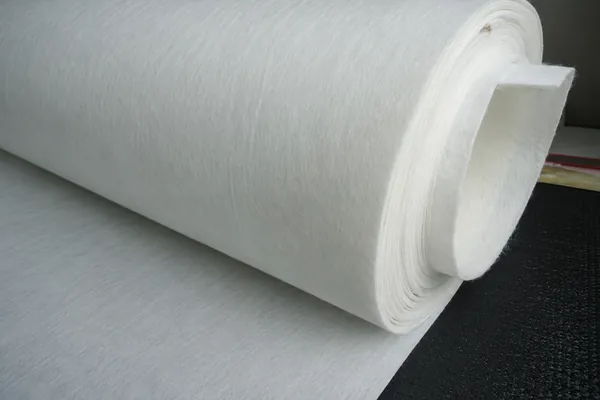
Compare Polyester Mat Thickness Under a Defined Measurement Pressure
For nonwoven reinforcement, keep the thickness method and pressure basis with the number.
Read the Buying Guide →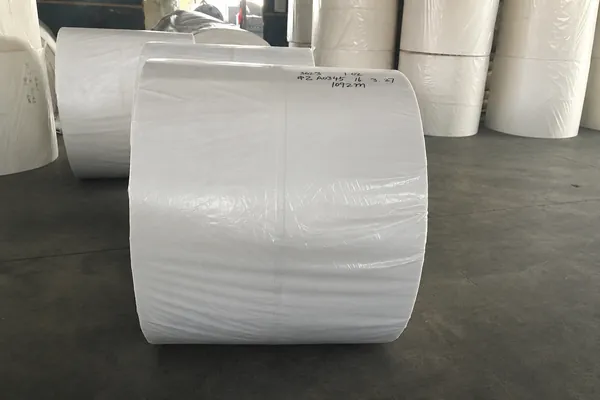
Plan Polyester Reinforcement Roll Length, Mass and Diameter Together
Roll length is most useful when the basis weight, actual width and handling format are stated beside it.
Read the Buying Guide →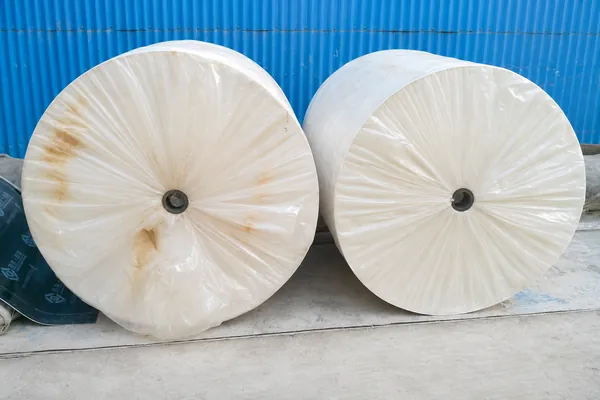
Damaged Polyester Roll Wrapping: Record Condition Before Estimating Usable Length
A damaged outer wrap does not establish how much reinforcement is affected.
Read the Buying Guide →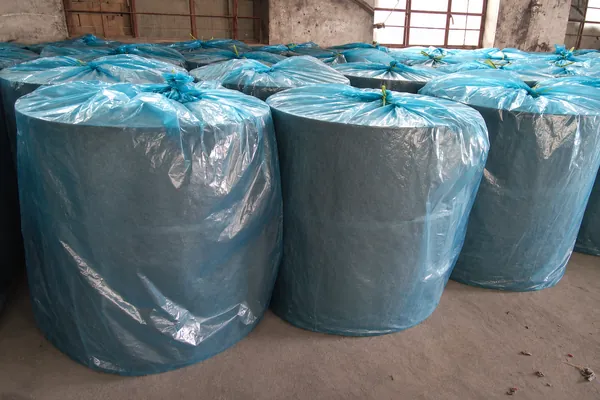
Store Compound Base Mat with Its Construction and Packing Identity Intact
Organize composite reinforcement stock by the actual grade and packaging instructions.
Read the Buying Guide →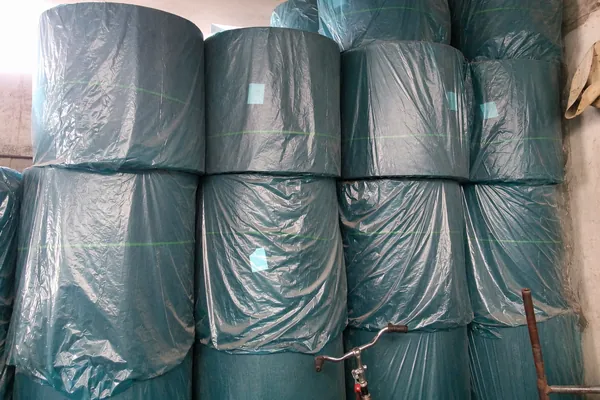
Specify Compound Base Mat Roll-End Protection Before Shipment
Include the roll ends and core in your packing discussion, not only the outer wrap.
Read the Buying Guide →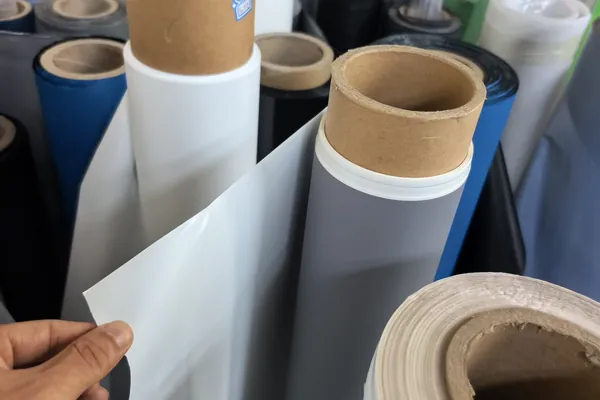
Identify the Silicone-Coated Face Before Loading a Release-Film Roll
Put the adhesive-contact face and unwind orientation in the order record.
Read the Buying Guide →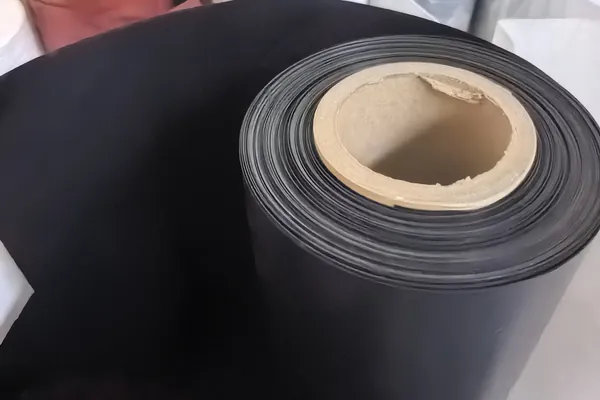
Agree a Useful Curl and Flatness Check for Release-Film Samples
Before comparing curl or flatness, define the sample, orientation and observation conditions.
Read the Buying Guide →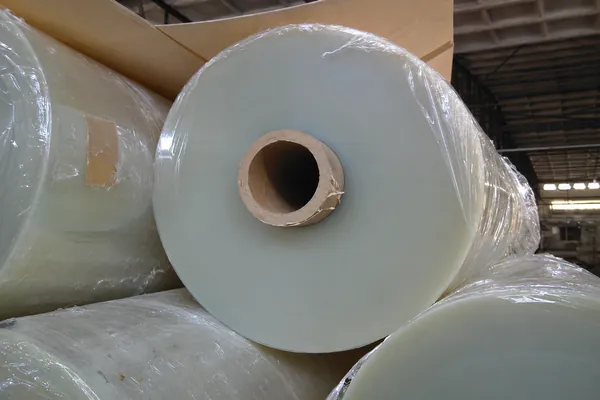
Inspect Release-Film Roll Edges with a Clear Width and Damage Record
Check the roll identity, agreed width and visible edge condition together.
Read the Buying Guide →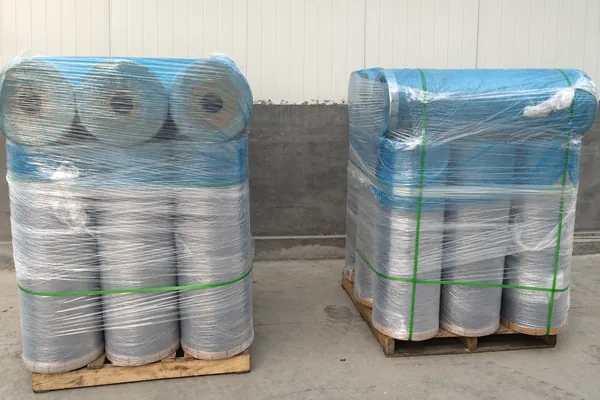
Confirm Release-Film Storage Conditions and Shelf Life Before Stocking
Ask for the storage and shelf-life information that applies to the quoted grade.
Read the Buying Guide →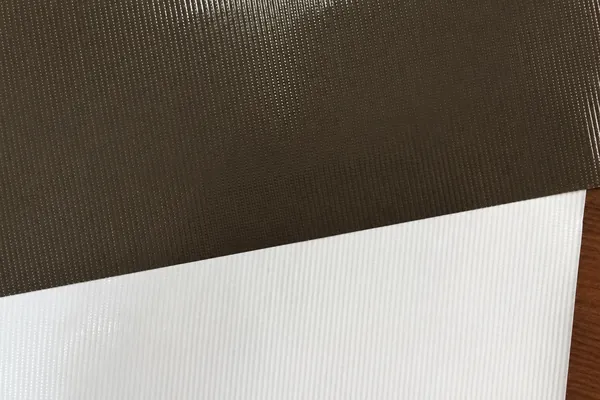
Choose Embossed PE Release Film by Function, Not Surface Appearance Alone
Embossing identifies a surface feature, not the whole release-film specification.
Read the Buying Guide →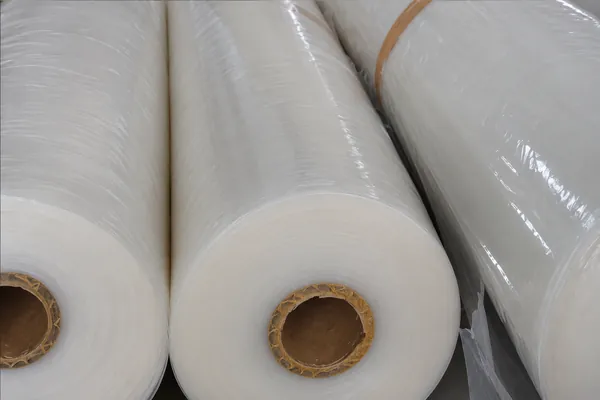
Inspect a Damaged Film-Roll Core Before Planning the Production Run
A core condition can affect whether the delivered roll fits your handling and unwinding arrangement.
Read the Buying Guide →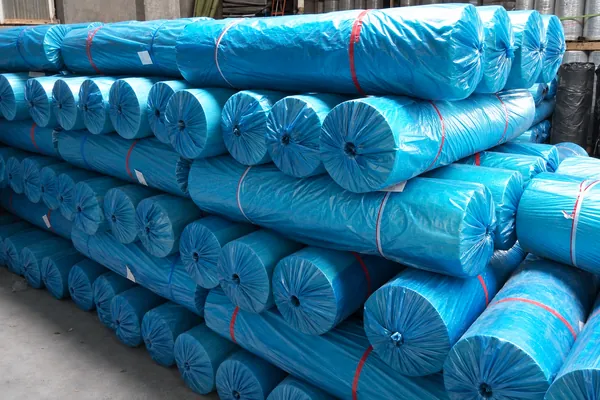
Define Thin PE Film Winding Requirements Without a Universal Tension Number
For a roll-supply inquiry, describe the winding configuration and handling limits your line needs.
Read the Buying Guide →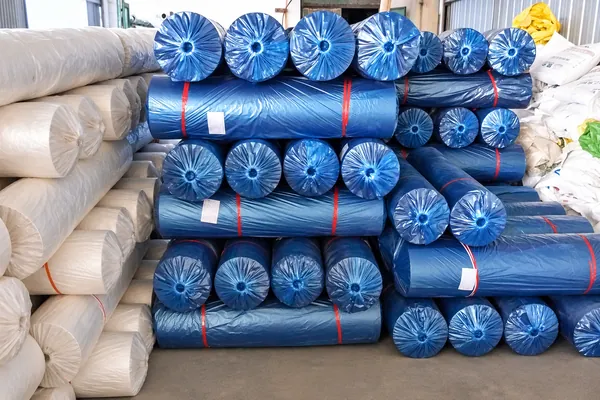
Specify Thin PE Film Width with the Usable Web and Order Tolerance
Write the required slit width and the usable width needed by your membrane process separately where they differ.
Read the Buying Guide →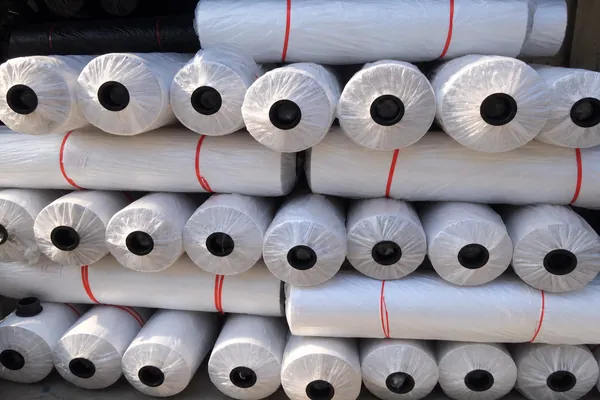
Agree a Pinhole Inspection Basis for Thin PE Surface Film
If pinhole or visible-hole control matters to your membrane process, define the inspection and acceptance basis before the order.
Read the Buying Guide →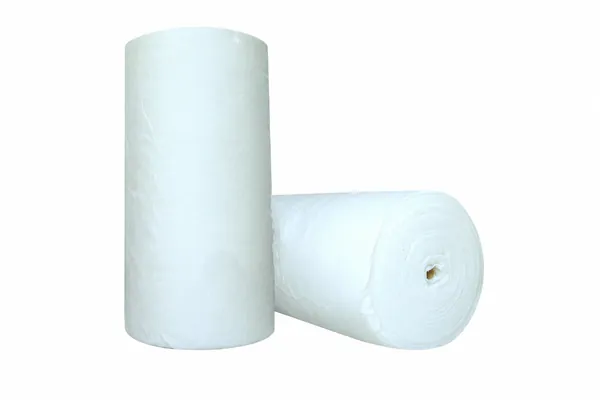
Inspect Polyester Reinforcement Width Against the Ordered 1010 or 1020 mm Format
Confirm the actual ordered width and any tolerance, then record measurements on a defined basis.
Read the Buying Guide →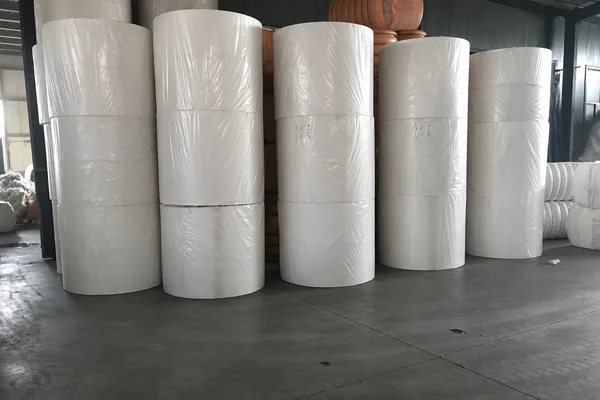
Keep Polyester Reinforcement Lot Identity Connected to Sample Approval
A traceable purchasing record connects the approved grade, the supplied rolls and the sample used for evaluation.
Read the Buying Guide →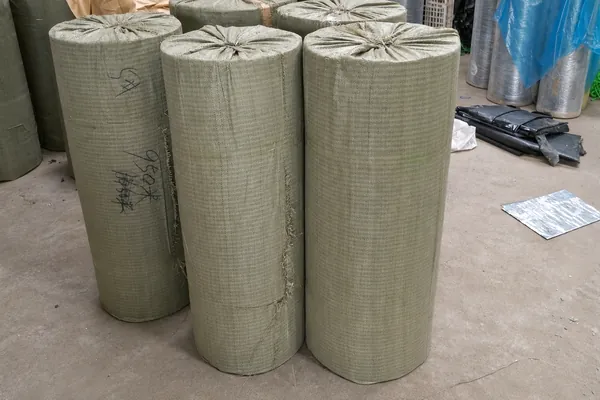
Cross-Laminated HDPE Film: Compare Strength by Direction and Grade
Cross-laminated construction and an HDPE material name are not enough to define strength.
Read the Buying Guide →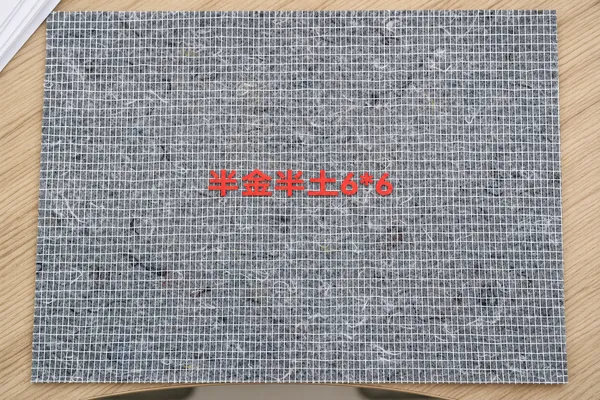
Read Composite Base Mat Tensile Requirements in Both Directions
Choose a compound base mat using the construction and both tensile directions.
Read the Buying Guide →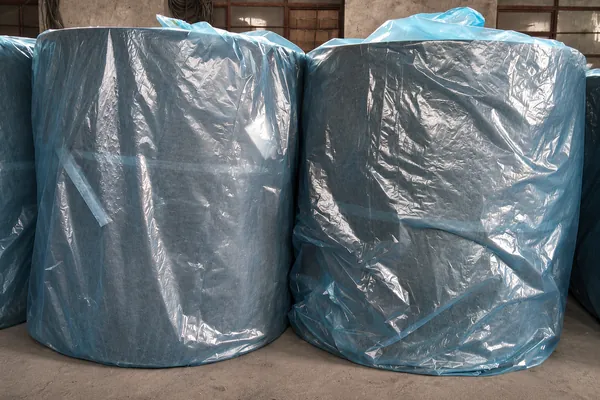
Define Surface-Uniformity Acceptance for Composite Reinforcement
Use a sample reference and clear inspection description when surface uniformity affects your membrane production.
Read the Buying Guide →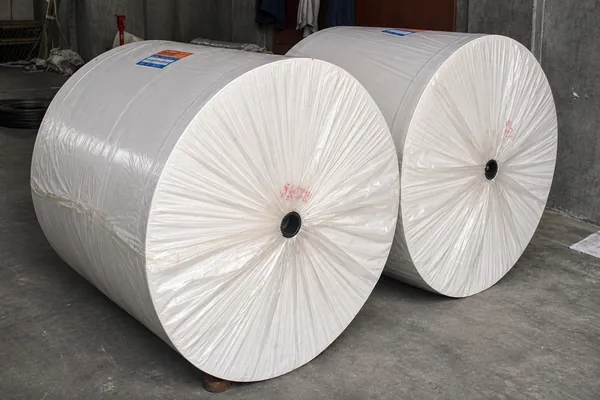
Prepare a Polyester Reinforcement Impregnation Trial for Your Bitumen Process
Give a reinforcement trial the same identity as the material you intend to buy.
Read the Buying Guide →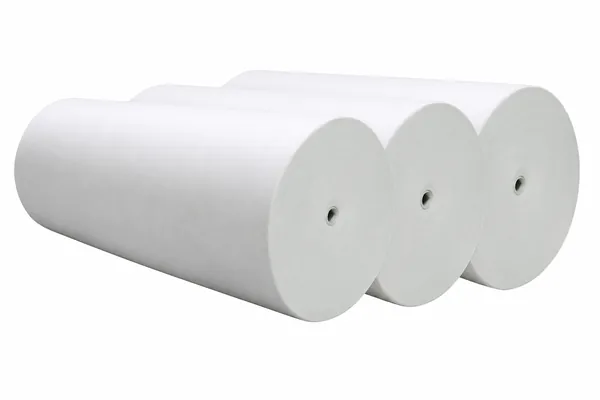
Clarify Binder-Content Requirements in a Polyester Reinforcement Inquiry
If binder content is important to your specification, name the quantity and test basis explicitly.
Read the Buying Guide →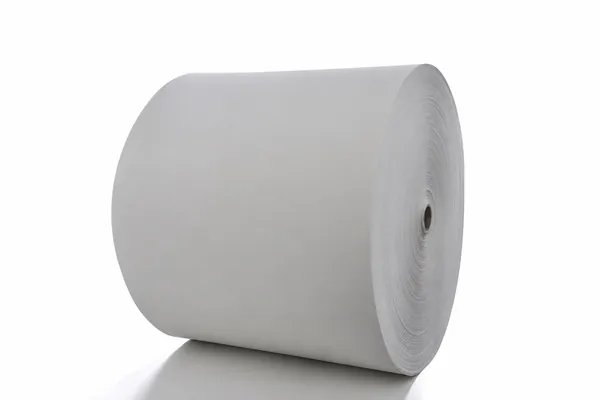
Read Polyester Mat Thermal Dimensional-Stability Data with Its Test Conditions
Keep the grade and evaluation conditions beside a thermal dimensional-stability figure.
Read the Buying Guide →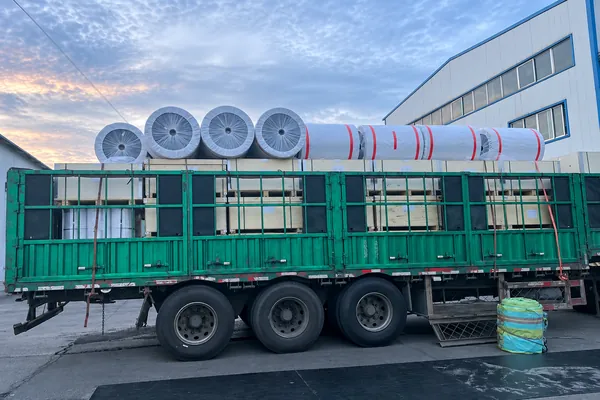
180 and 200 g/m² Polyester Reinforcement: A 40 ft Loading Calculation
Compare reinforcement orders by usable area and actual material mass, not roll count alone.
Read the Buying Guide →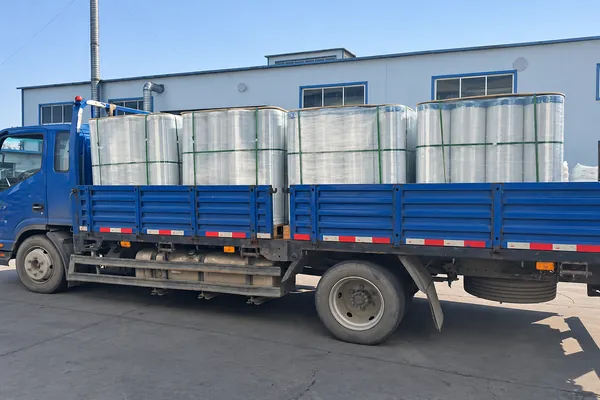
Compare 20 ft and 40 ft Freight for Thin PE Surface Film on a Net-Tonne Basis
Use confirmed loading and actual freight quotations to compare container options.
Read the Buying Guide →Send your specification.
Get a clear material quote.
Tell us what you produce, the material you need and your required roll format. Include the quantity and destination port so we can prepare the product and packing details together.
Useful details: thickness or basis weight, width, roll length or weight, core, quantity and application. For release film, add coated side and release requirements.
Standard production: approximately 10 days for one 40-ft container order. Customized specifications: approximately 10–15 days. Confirm the schedule with the final order.