
Specify Thin PE Film Thickness Uniformity Without Confusing Average and Range
A nominal gauge is a starting point, not a complete thickness inspection plan. State the target, the agreed tolerance and where measurements will be taken. Then keep the average and the individual readings separate when comparing a thin PE film delivery.
Use a grade-specific reference
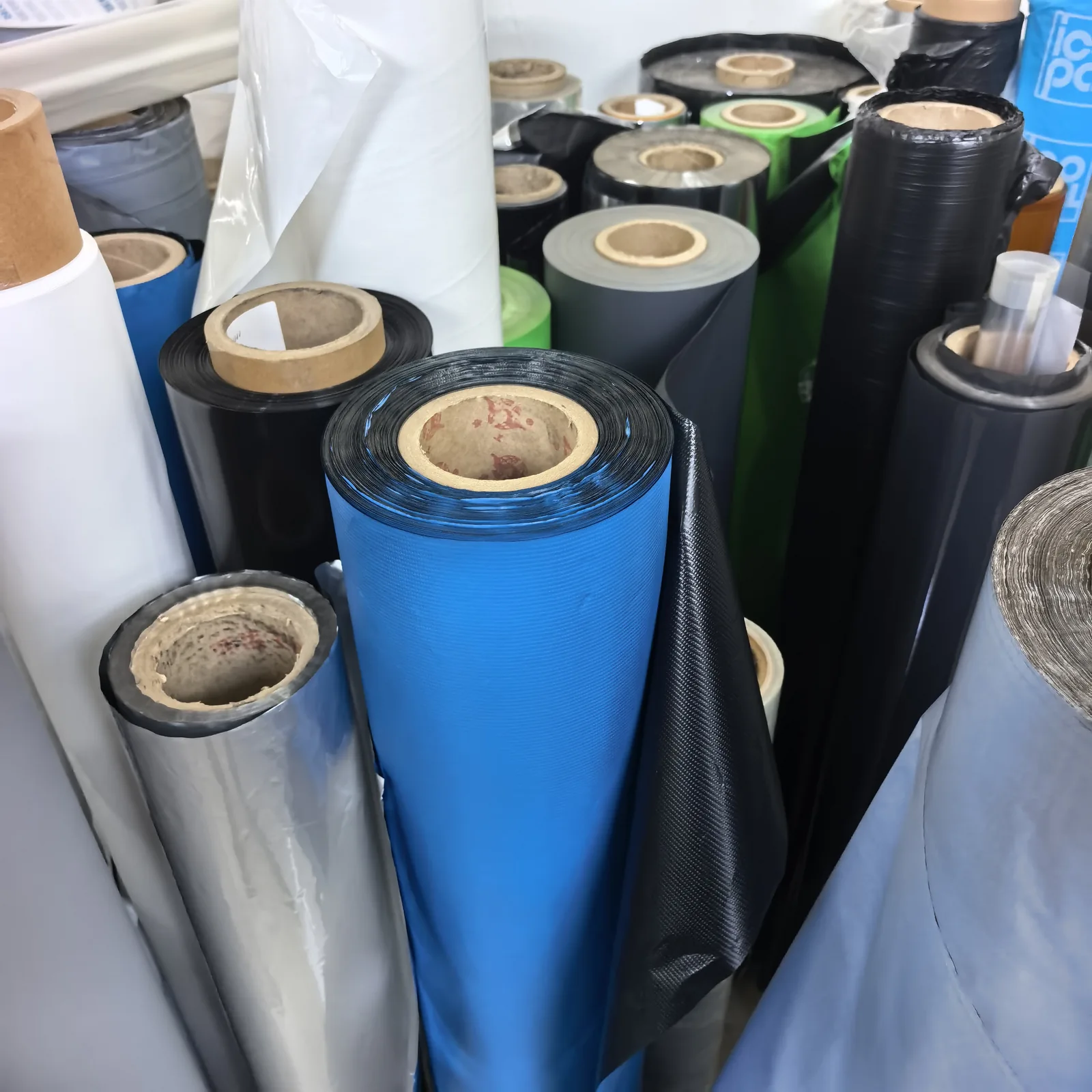
Merily thin PE surface film is available within a listed 7–15 μm range, with 8/12 μm common formats. The published technical reference is 12±1 μm with width 1080±10 mm. That reference belongs to the stated product, not every gauge in the range.
When you request another size, ask for the thickness and tolerance to be confirmed in the offer. Avoid treating a catalogue range as an acceptance tolerance. A range of available gauges and an allowed variation around a selected gauge are different statements.
Agree how readings will be collected
For your inspection plan, identify the instrument, measurement method, sample locations and number of readings. Mark whether readings are taken across the width or at selected positions along a roll. Keep the measurement conditions and sample identity with the result.
Before comparing suppliers, check whether their values are measured and summarised on the same basis. If the method differs, record the difference rather than ranking films by a number that looks more precise. This guide does not introduce an unverified Merily inspection regime or a universal sampling standard.
Thickness acceptance fields
On a phone, swipe the table sideways to see every column.
| Field | What to record |
|---|---|
| Nominal gauge | The selected thickness, not the whole supply range |
| Tolerance | The agreed allowed variation and units |
| Method | Instrument and measurement basis |
| Locations | Across-width or along-roll positions |
| Results | Individual readings plus the required summary |
| Identity | Roll, grade and sample reference |
Keep the mean and the spread visible
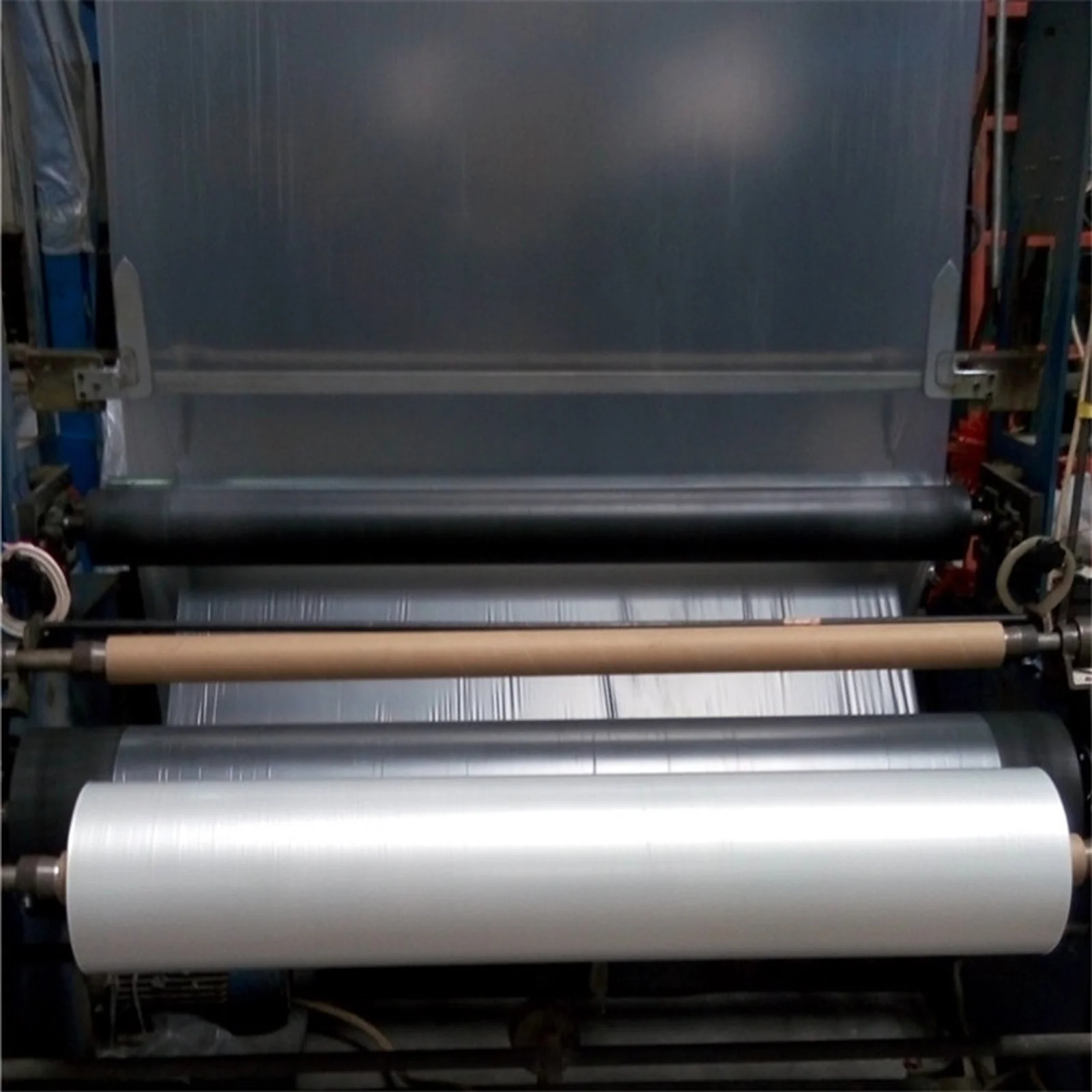
As an illustrative calculation, three thickness readings of 11, 12 and 13 μm have an average of 12 μm. That average does not mean every reading was 12 μm. Retain the individual readings or their defined summary when your acceptance requirement refers to variation.
Likewise, a calculated film weight per area is not a replacement for a directly specified thickness measurement. The material-volume reference is useful for purchase planning, but the order should identify how gauge will be verified if gauge is an acceptance item.
Resolve an apparent mismatch with evidence
If a result differs from the order, first connect the reading to the roll identity, sample position and agreed method. Preserve the sample and photographs needed for a practical supplier discussion. Do not silently compare a reading from an unknown location with an unrelated reference grade.
Send Merily the required gauge, width and tolerance, with your test basis where one is required. Add the roll format, quantity and destination so the quotation can cover the product requirement and the delivery unit together.
Questions for This Purchase
Does an average of 12 μm prove every point is 12 μm?
No. An average and the range of readings answer different questions.
Does 7–15 μm mean a single roll can vary freely within that interval?
No. It is the listed supply range. Confirm the tolerance for the selected product.
Can theoretical square metres per kilogram prove thickness uniformity?
No. Keep planning calculations separate from the agreed measurement and acceptance method.
Send your specification.
Get a clear material quote.
Tell us what you produce, the material you need and your required roll format. Include the quantity and destination port so we can prepare the product and packing details together.
Useful details: thickness or basis weight, width, roll length or weight, core, quantity and application. For release film, add coated side and release requirements.
Standard production: approximately 10 days for one 40-ft container order. Customized specifications: approximately 10–15 days. Confirm the schedule with the final order.