
Damaged Polyester Roll Wrapping: Record Condition Before Estimating Usable Length
A damaged outer wrap does not establish how much reinforcement is affected. Identify the roll, distinguish packaging from material damage and base any usable-length decision on an agreed inspection.
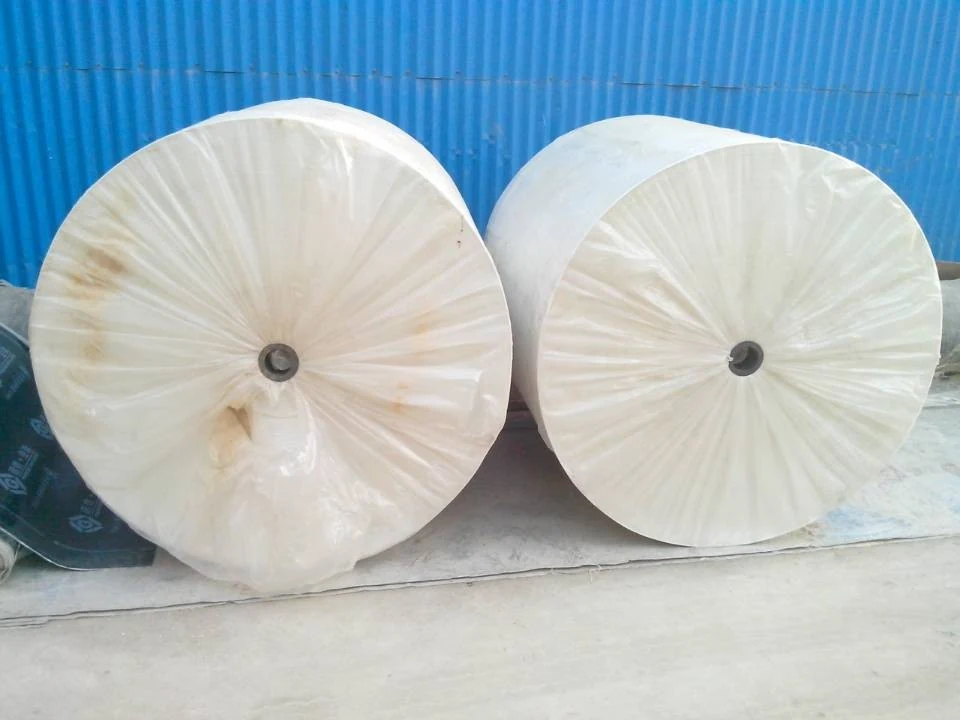
Record the delivery condition first
Keep the roll label, packing reference and overall delivery photographs together. Show the affected area clearly, including whether the issue is on protective wrapping, a roll end or the reinforcement itself.
Describe the observation without assuming its cause. A torn wrap and a damaged sheet are different findings; neither should be hidden in a general note saying the delivery is acceptable or unusable.
Keep handling and inspection controlled
Use the applicable safe-handling instructions for the actual heavy roll. If examination requires moving or unwinding it, have the responsible receiving and production teams agree the procedure.
Preserve the connection between the observed area and the original roll. Record any material removed during the agreed inspection rather than assigning an arbitrary loss from a photograph.
Damage and usable-length record
On a phone, swipe the table sideways to see every column.
| Record | Include |
|---|---|
| Identity | Order, roll and packing reference |
| Condition | Packaging versus reinforcement observation |
| Location | Roll end, width zone and length position |
| Inspection | Agreed procedure and findings |
| Excluded quantity | Measured length / area and reason |
| Decision | Order-specific disposition and confirmation |
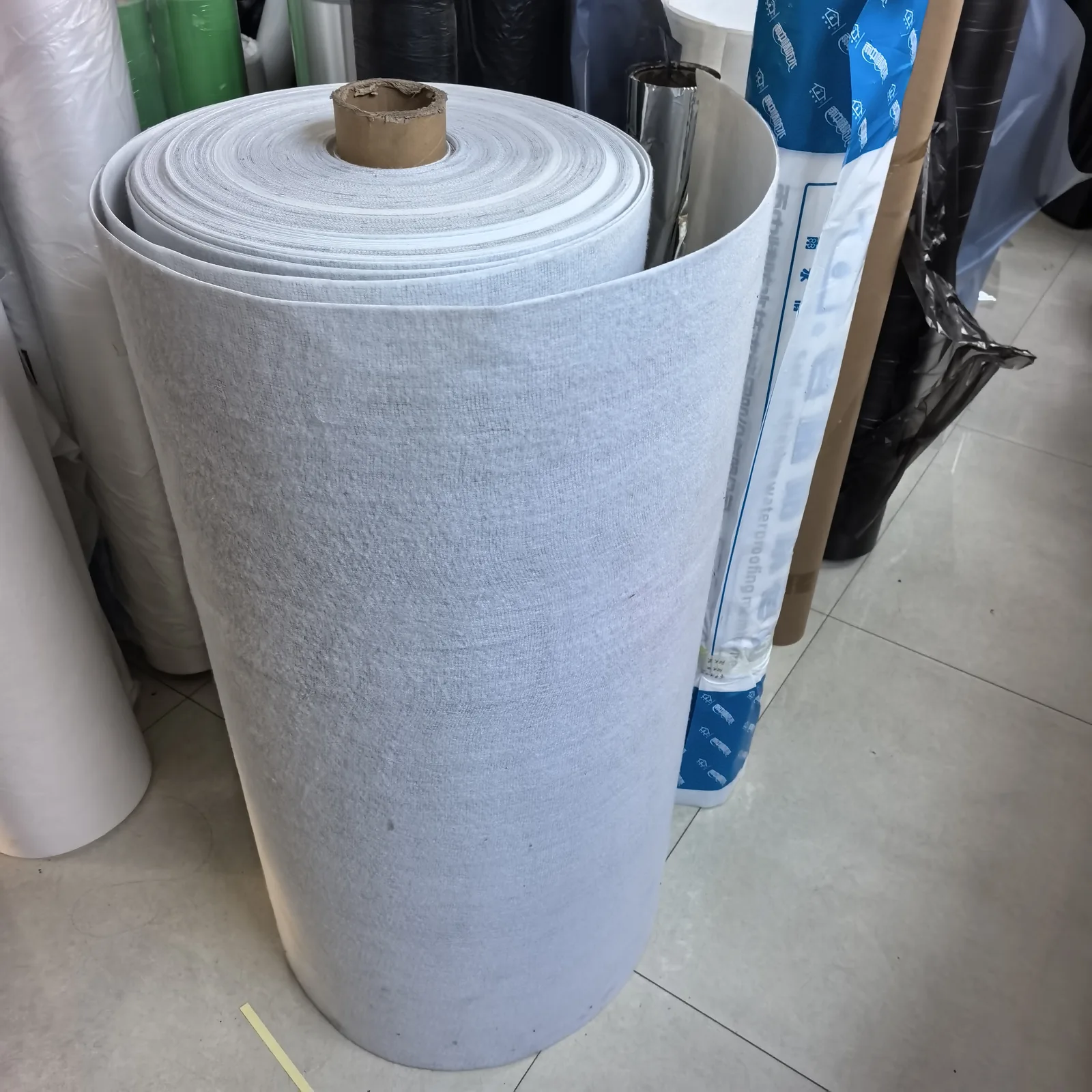
Measure affected length on a defined basis
Where an inspection identifies excluded material, record its length, width and reason. If only part of the width is affected, keep that description rather than automatically treating every metre as full-width loss.
For a simple full-width example, excluding 10 m from a 1450 m roll leaves 1440 m before any other production allowance. That arithmetic does not prove that 10 m is sufficient for a particular damaged roll.
Resolve the order-specific decision
Send Merily the order identity, photographs and inspection record. Refer to the agreed specification and receiving terms so the next decision concerns the actual delivery.
For future orders, state the required packing and documentation with your destination and handling conditions. Clear receiving records make a focused discussion possible without overstating what a photo establishes.
Questions for This Purchase
Can a wrapping photo determine usable roll length?
No. It documents visible condition; assess material on an agreed inspection basis.
Is the 10 m example a recommended removal length?
No. It illustrates subtraction only.
Should partial-width damage be recorded as full-width loss automatically?
Record the actual affected geometry and agree the assessment.
Send your specification.
Get a clear material quote.
Tell us what you produce, the material you need and your required roll format. Include the quantity and destination port so we can prepare the product and packing details together.
Useful details: thickness or basis weight, width, roll length or weight, core, quantity and application. For release film, add coated side and release requirements.
Standard production: approximately 10 days for one 40-ft container order. Customized specifications: approximately 10–15 days. Confirm the schedule with the final order.