
Continuous-Filament or Staple-Fibre Polyester Mat: Compare the Actual Grade
The fibre description helps identify a polyester carrier, but it is not a complete performance ranking. When comparing continuous-filament and staple-fibre reinforcement, keep the construction, grade-specific properties and production-roll requirements visible in the same buying record.
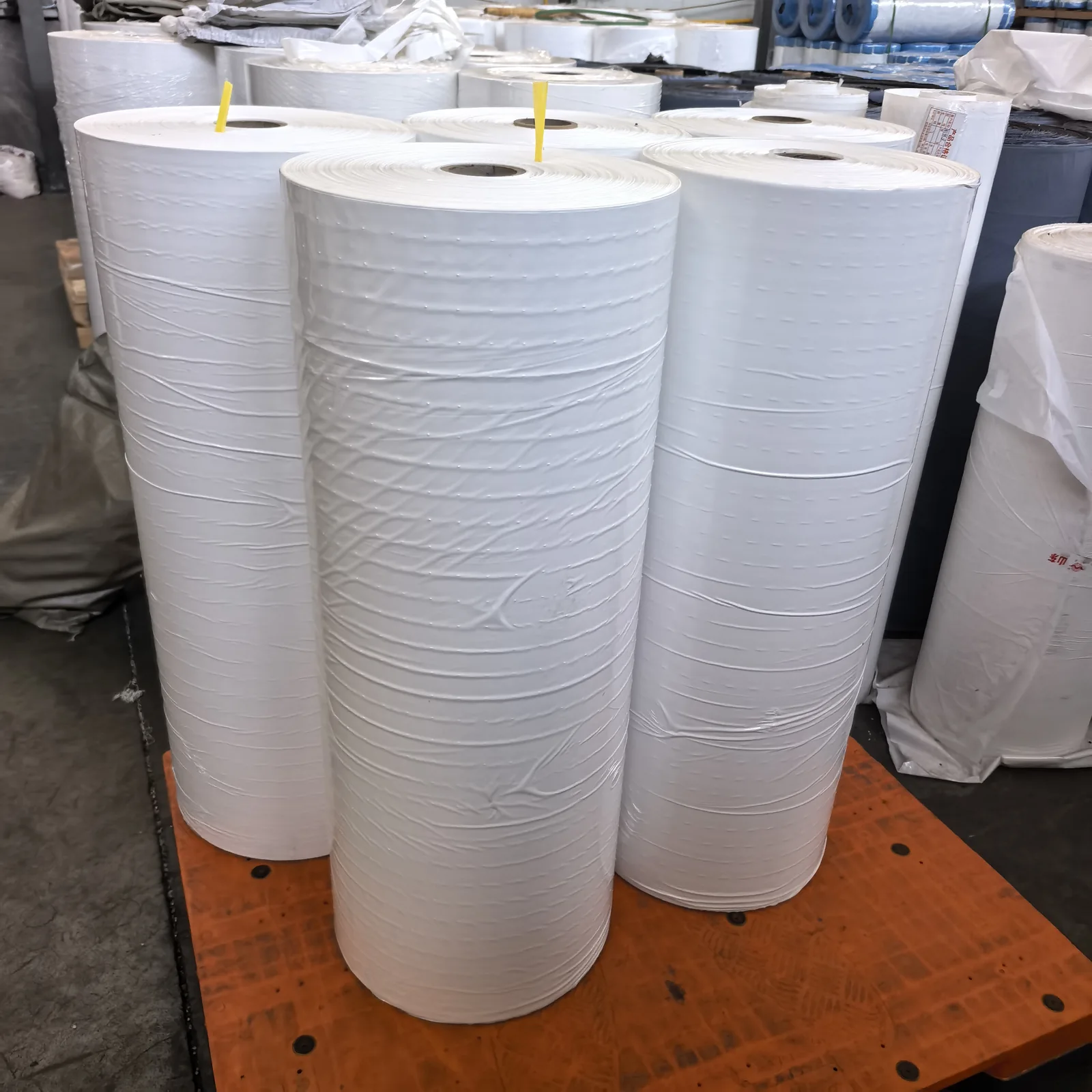
Confirm what the supplier is offering
Continuous-filament material uses continuous polyester filaments; staple-fibre products use fibres cut to finite lengths. The terms describe a material route, not one universal strength value. Suppliers may also offer different bonding or additional reinforcement constructions, so retain the complete product identity.
Merily’s current product page is for continuous-filament polyester reinforcement. If your existing specification refers to a staple-fibre mat, say so when requesting an alternative. Do not rename the existing material or silently transfer its test table to the continuous-filament offer.
Build a like-for-like comparison
Use the same required basis weight, width and intended membrane as comparison inputs. Then compare the actual offered grades with their reported tensile, elongation, tear and dimensional requirements. Keep the method, units and directions attached to the values.
Equal basis weight does not establish identical performance, and a fibre label does not prove one grade is better for every process. Ask which requirements matter to your membrane design and line. Avoid a catalogue comparison that selects one favourable row while ignoring the rest of the specification.
Fields for comparing two polyester carriers
On a phone, swipe the table sideways to see every column.
| Compare | Keep the evidence matched |
|---|---|
| Fibre construction | Continuous-filament or staple-fibre identity |
| Other structure | Any additional reinforcement or bonding description |
| Grade | Actual basis weight and full technical requirement |
| Direction | MD and TD labels retained |
| Production fit | Relevant trial conditions and observations |
| Supply format | Width, length, diameter, core and packing |
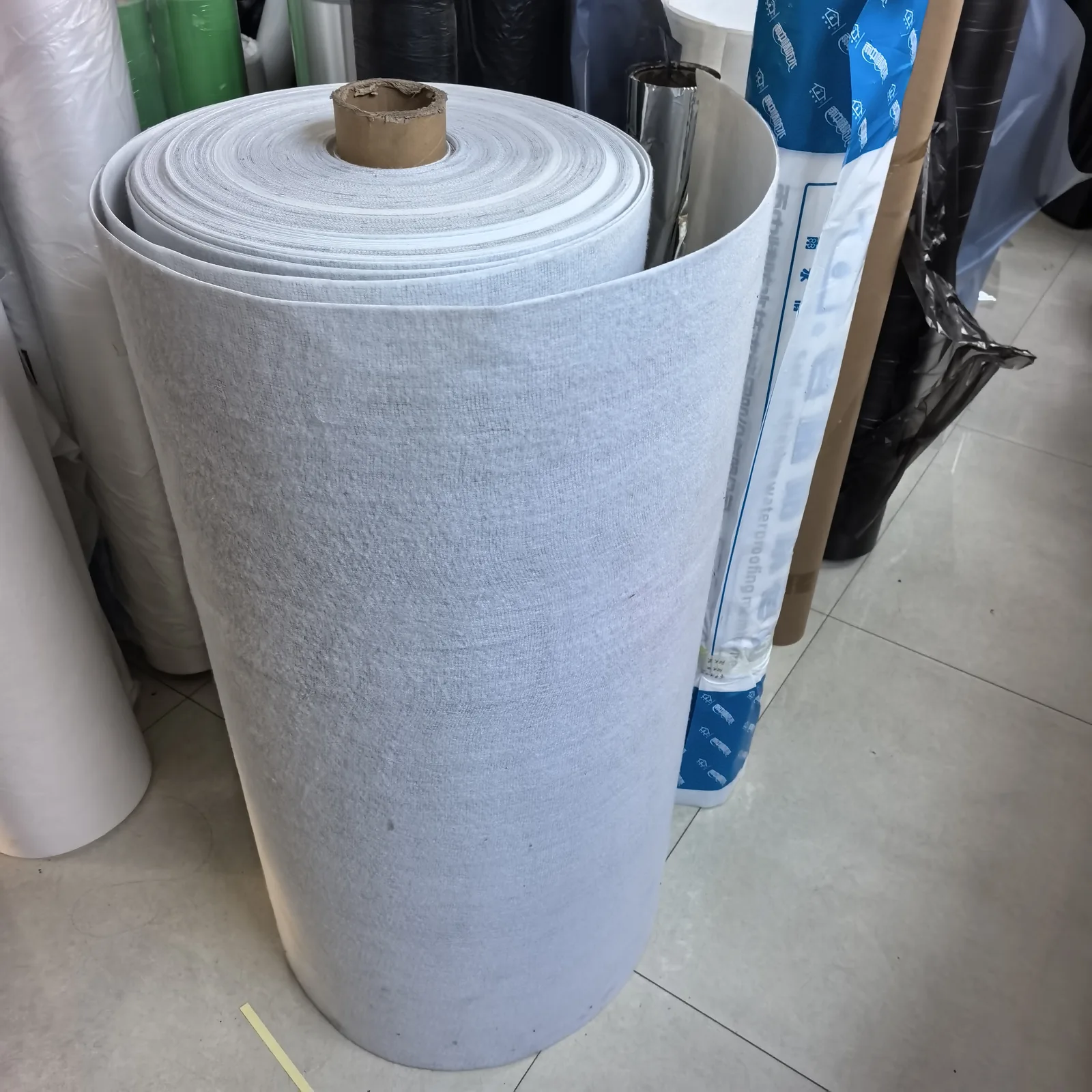
Keep roll-planning references separate from performance data
A roll-length or loading reference from another material may help identify the scale of a shipment discussion, but it is not a mechanical specification for the new grade. Confirm the roll dimensions and mass for the material that will actually be supplied.
For Merily continuous-filament polyester, common widths are 1010/1020 mm. The confirmed length references are 1450 m for 180 g/m² and 1230 m for 200 g/m², with target diameter about 1150 mm. Use those references only with the stated material and actual ordered width.
Make the trial answer a specific substitution question
Give the trial team both material identities, the intended membrane construction and the required acceptance items. Record the relevant impregnation, handling and winding observations alongside the agreed tests. A successful comparison should connect to a named grade and specification revision.
Send Merily your current mat specification and the reason for evaluating another construction. We can quote the continuous-filament option with its own grade requirements and roll format, so your team can decide on evidence rather than a broad fibre-name claim.
Questions for This Purchase
Is continuous-filament always stronger than staple-fibre mat?
Do not make that blanket assumption. Compare the actual grades, construction and test basis required for your application.
Can I use a staple-fibre technical table for a continuous-filament order?
No. Obtain the requirements that apply to the material and grade being ordered.
Can a loading example prove material equivalence?
No. Shipment planning and technical performance are separate comparisons.
Send your specification.
Get a clear material quote.
Tell us what you produce, the material you need and your required roll format. Include the quantity and destination port so we can prepare the product and packing details together.
Useful details: thickness or basis weight, width, roll length or weight, core, quantity and application. For release film, add coated side and release requirements.
Standard production: approximately 10 days for one 40-ft container order. Customized specifications: approximately 10–15 days. Confirm the schedule with the final order.