
Choose Release-Film Thickness with Area Yield and Roll Handling in View
Thickness affects the amount of film purchased for a given area, but it is only one part of a usable liner specification. Compare area yield, the approved release system and the roll your equipment can handle before selecting a gauge.
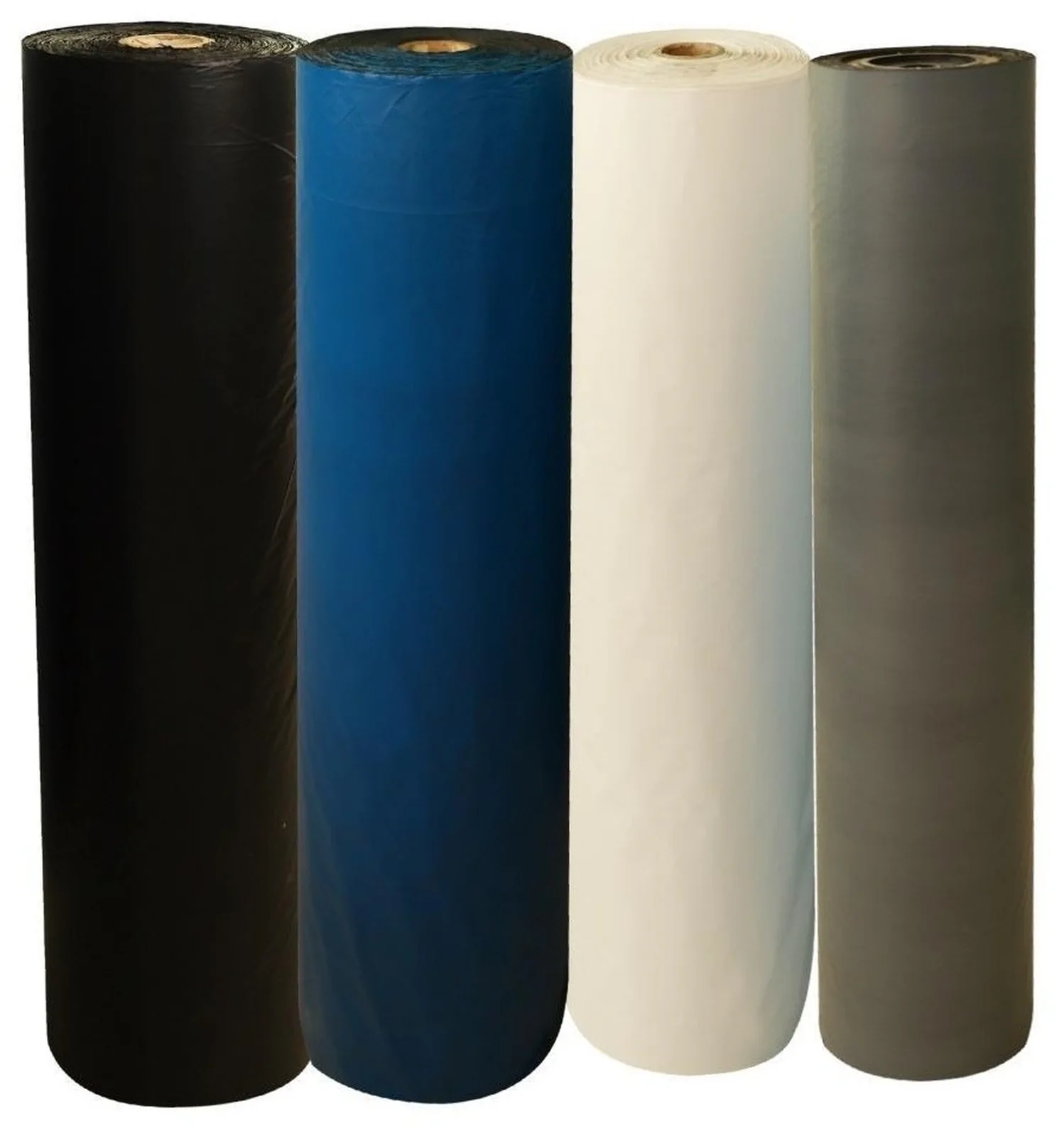
Start with the formats your line can use
Merily PE release film is commonly supplied in 35 and 40 μm formats. Common PET gauges include 25, 30 and 36 μm. Both product families have common widths of 960 and 1060 mm. Start with the specification of the liner you currently use and identify which dimension or property you want to change.
Do not compare a PE and a PET offer by the gauge number alone. State the substrate and coating requirement beside the thickness. Keep the adhesive-contact side and unwind direction identifiable so a dimension change does not accidentally become a different release-system order.
Use a consistent area basis
Our planning references use a theoretical material volume of about 1.08 m³/t for PE and 0.71 m³/t for PET. For film only, theoretical area per kilogram is approximately 1080 divided by thickness in micrometres for PE, or 710 divided by thickness for PET. These are material calculations, not packed freight volumes.
For example, 35 μm PE is about 30.9 m²/kg, while 40 μm PE is about 27.0 m²/kg. At 25 μm, PET is about 28.4 m²/kg. This helps put quotations on a comparable area basis. Core, coating, packaging and any agreed processing loss must be treated separately.
Film-only planning comparison
On a phone, swipe the table sideways to see every column.
| Material and gauge | Theoretical area | How to use it |
|---|---|---|
| PE 35 μm | About 30.9 m²/kg | Compare film mass for the same area |
| PE 40 μm | About 27.0 m²/kg | Allow for coating and core separately |
| PET 25 μm | About 28.4 m²/kg | Use the PET material reference |
| Any quoted roll | Confirm actual net film mass | Do not treat gross roll weight as film-only mass |
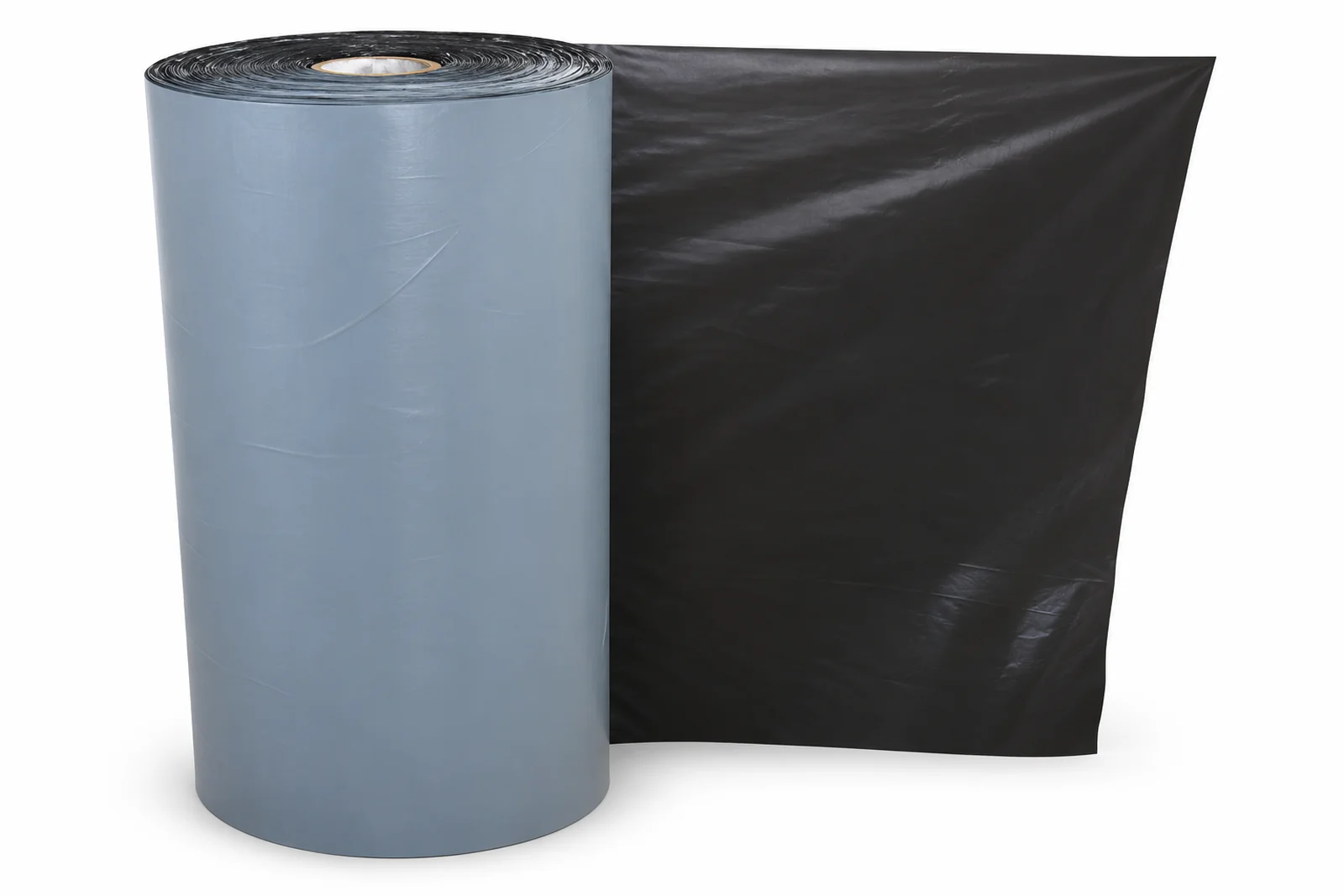
Check the whole production roll
For a given required area, a different gauge can change film mass. Before a larger order, confirm roll length or maximum roll weight, core and maximum outside diameter. Avoid an order that fixes an incompatible length, weight and size without checking the relationship.
A common PE release-film supply reference is about 90–100 kg per roll; a PET format may be around 5000 m per roll, depending on the selected configuration. These are not universal fixed limits. Put the actual quoted combination into the purchase order and packing list.
Approve the change as a material change
If the purpose is to reduce cost, compare usable area and the requirements your line must still meet. A lower kilogram price is not enough information to decide whether an alternative is suitable. Keep release behaviour and mechanical requirements distinct in the evaluation.
Send Merily the existing substrate, gauge, width, coated face and roll format, plus your target quantity and destination. We can quote a specific configuration so your team can compare both the technical requirement and the supply unit.
Questions for This Purchase
Does thinner film always reduce my finished production cost?
Not necessarily. Compare the approved material, usable area, handling and actual process outcome—not thickness alone.
Are the area figures guaranteed delivery measurements?
No. They are theoretical planning references. The quotation and packing documents should identify the actual supplied format and mass basis.
What is missing from a thickness-only inquiry?
Substrate, coated side, release requirement, width, core, winding, length or weight, quantity and destination.
Send your specification.
Get a clear material quote.
Tell us what you produce, the material you need and your required roll format. Include the quantity and destination port so we can prepare the product and packing details together.
Useful details: thickness or basis weight, width, roll length or weight, core, quantity and application. For release film, add coated side and release requirements.
Standard production: approximately 10 days for one 40-ft container order. Customized specifications: approximately 10–15 days. Confirm the schedule with the final order.