
Evaluate Release Film with Your Bitumen Adhesive, Not a Generic Sample
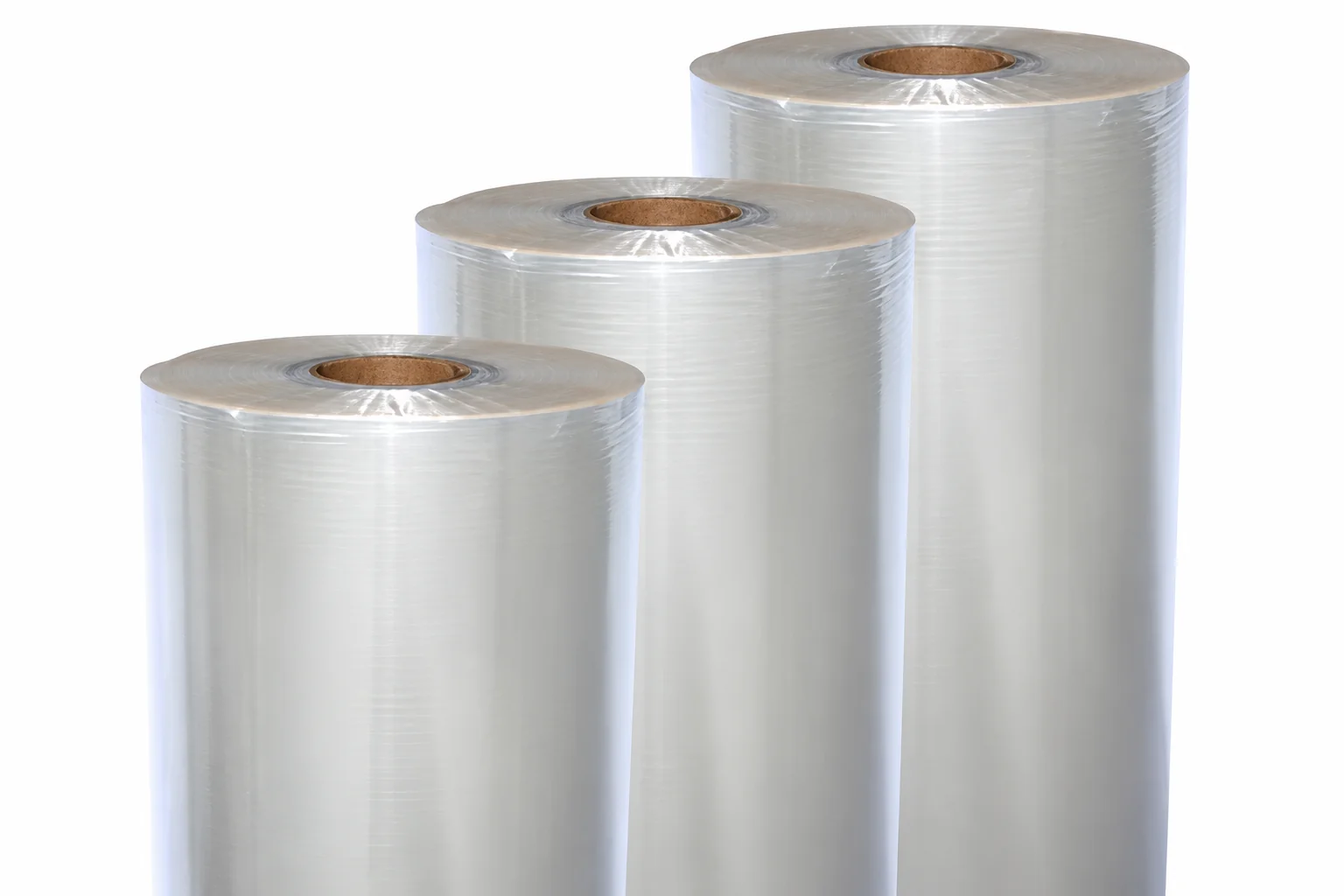
A liner approval is most useful when the sample, adhesive and production conditions are traceable. Keep those inputs together, then compare the selected film on the membrane you intend to manufacture. An attractive roll photograph cannot answer an adhesive-compatibility question.
Give the sample an identity
Start with a reference that both the supplier and your production team can recognise. Record the film substrate, thickness, coated side, width and sample reference. For an existing membrane, identify the actual liner currently used and the face that touches the adhesive. Do not rely on colour alone to identify the release system.
Merily supplies PE and PET release-film formats for membrane manufacturing. Send the present material specification, a clear sample photograph and the requested roll format. We can then discuss a specific candidate rather than treating every PE or PET film as interchangeable.
Define a comparison your factory can reproduce
Use a written trial sheet. State the membrane or adhesive reference, relevant process conditions, evaluation method and observations. Keep a retained reference sample if your own procedure requires one. Mark whether observations concern film handling, separation from adhesive or another property; these should not be compressed into one vague “good/bad” result.
If your purchasing team wants evidence after storage or conditioning, specify that stage before requesting the sample. Record the selected duration and environment in the trial plan. No universal ageing period or temperature is assumed here: the conditions must be relevant to your membrane and agreed evaluation.
A compact compatibility trial record
On a phone, swipe the table sideways to see every column.
| Record | Keep it specific |
|---|---|
| Reference material | Film or existing liner identity and revision |
| Membrane / adhesive | The actual system being evaluated |
| Contact face | Clearly mark the coated adhesive-facing side |
| Process conditions | Relevant settings as recorded by your team |
| Evaluation stage | Initial and any specified conditioned observations |
| Decision | Accepted requirement, open issue or next trial |
Compare one change at a time where practical
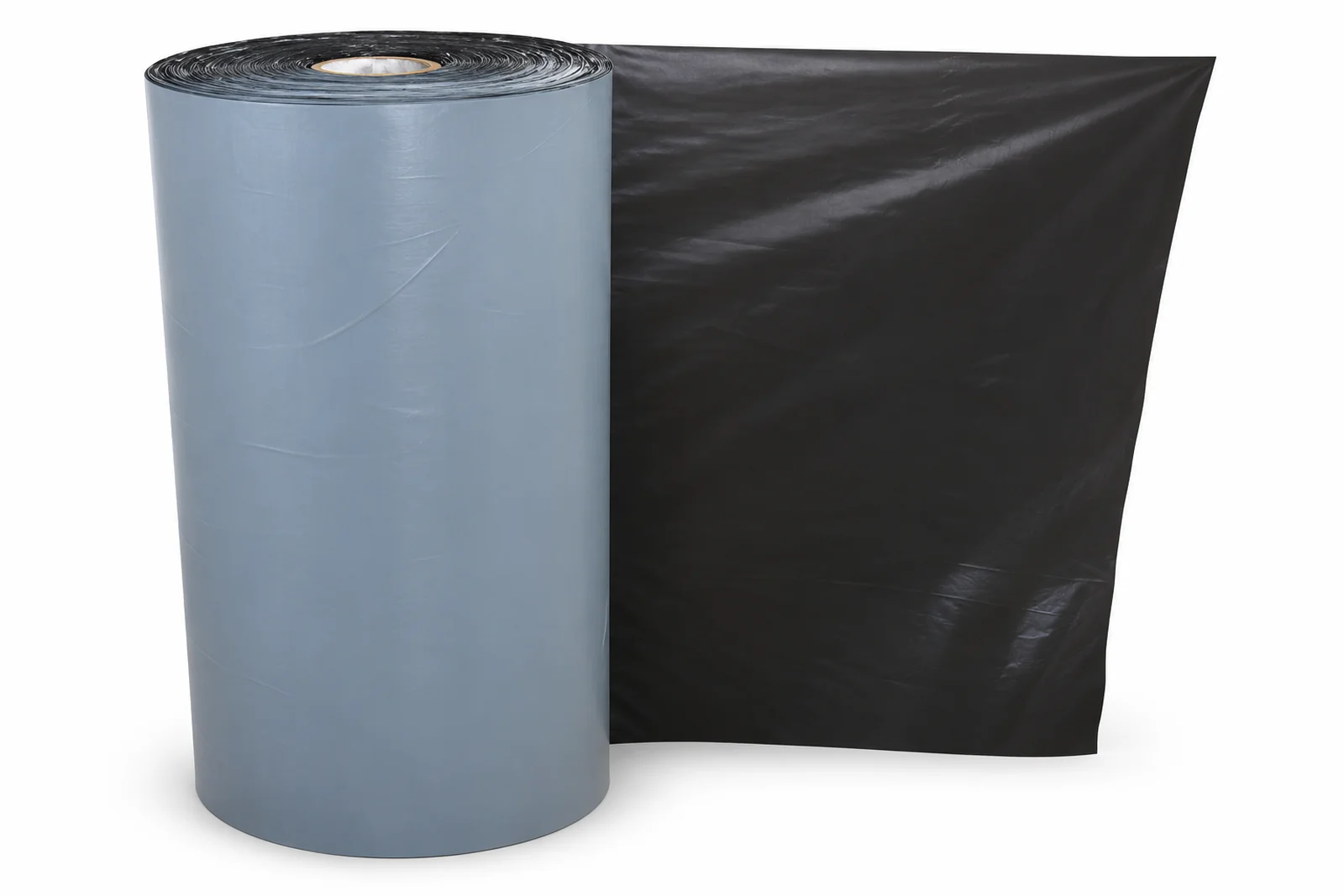
When comparing candidates, note the differences in substrate, coating, gauge and roll arrangement. If several inputs change together, record them rather than attributing the result to the substrate alone. A change from PE to PET may also involve a different coating and winding configuration.
Use the same reporting fields for the existing reference and each candidate. Separate observed release behaviour from web handling and appearance. If a result is unexpected, preserve the sample identity and conditions so your production and supplier teams can investigate the same event.
Move from a trial sample to a supply roll
A small sheet evaluation and a full production roll answer different questions. Before a larger trial, check the width, core, unwind direction and maximum roll size that your equipment can handle. Confirm the sample quantity and delivery terms instead of assuming that every trial format is available free of charge.
After acceptance, reference the approved specification in the quotation and order. Include the coating side and any agreed performance requirement alongside the dimensions. If your adhesive formulation or production conditions later change, tell the supplier before reordering under an old approval.
Questions for This Purchase
Does a successful trial prove every adhesive will work?
No. Keep the approval tied to the evaluated adhesive, film construction and recorded conditions.
Should I compare only the film substrate?
No. Record the release coating, coated face and other specification changes as well as the substrate.
What should I send Merily before requesting samples?
Send the material specification, adhesive or membrane reference, required coated face, production format, quantity and destination.
Send your specification.
Get a clear material quote.
Tell us what you produce, the material you need and your required roll format. Include the quantity and destination port so we can prepare the product and packing details together.
Useful details: thickness or basis weight, width, roll length or weight, core, quantity and application. For release film, add coated side and release requirements.
Standard production: approximately 10 days for one 40-ft container order. Customized specifications: approximately 10–15 days. Confirm the schedule with the final order.