
Inspect a Damaged Film-Roll Core Before Planning the Production Run
A core condition can affect whether the delivered roll fits your handling and unwinding arrangement. Record the observation and use the responsible team’s assessment before treating the roll as ready for production.
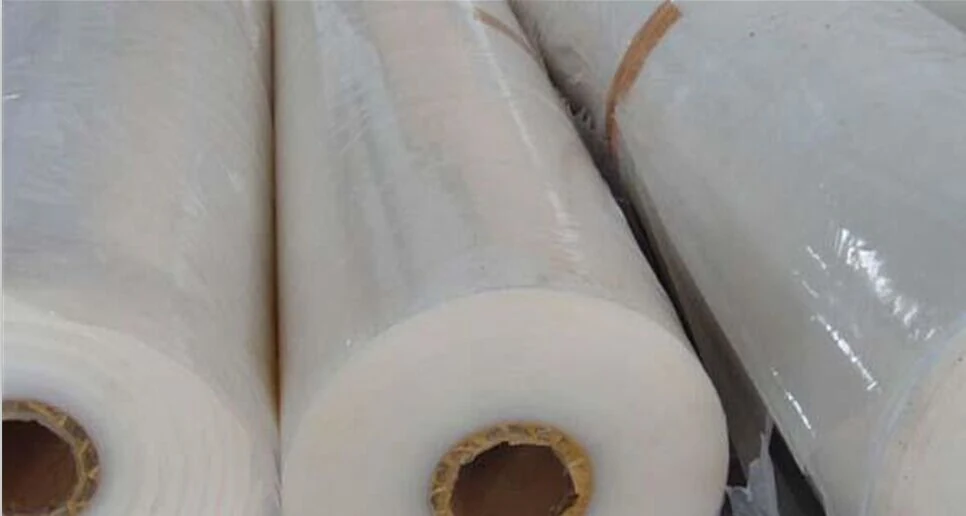
Identify the affected roll
Retain the product, dimensions, roll reference and delivery record. Photograph the accessible core and roll-end condition with an overview for context.
Distinguish a visible core issue from wrapping damage or a defect in the film itself. Do not assume all three have the same cause or consequence.
Compare against the agreed format
Check the ordered core requirement and the actual offered roll dimensions. If your line has a specific fit requirement, retain that specification in the receiving record.
A photograph does not establish every internal dimension or the suitability of a heavy roll for handling. Use the applicable inspection and safe-handling procedure.
Core-condition record
On a phone, swipe the table sideways to see every column.
| Field | Include |
|---|---|
| Identity | Product and roll / delivery reference |
| Requirement | Agreed core and equipment fit |
| Observation | Core, roll end or packaging condition |
| Evidence | Context and clear close view |
| Assessment | Responsible inspection and handling decision |
| Quantity | Only the measured / agreed effect |
Keep the quantity assessment separate
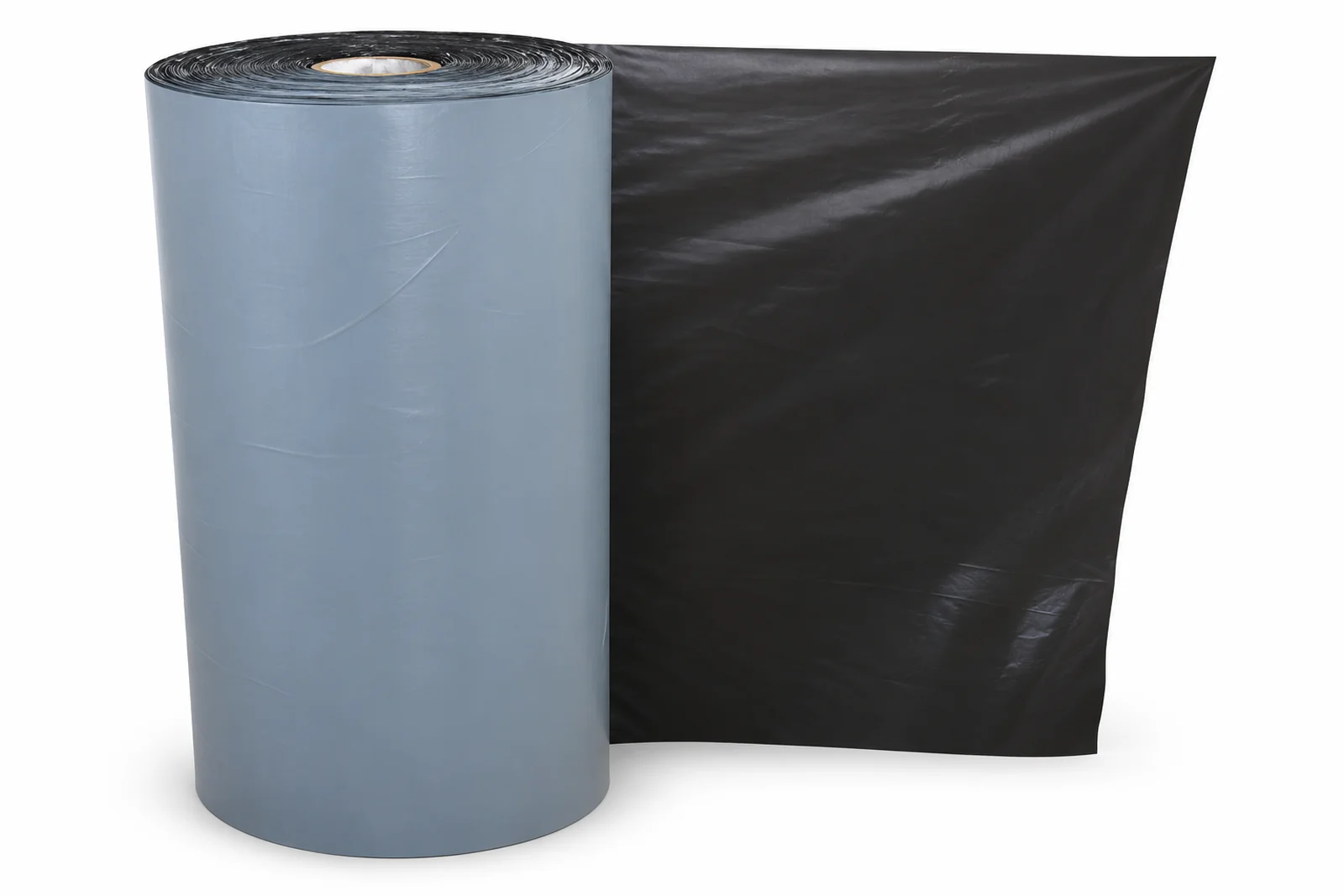
Do not estimate usable film length solely from the core appearance. If the responsible team agrees an inspection or reformatting action, retain its scope and actual findings.
Any resulting loss or changed roll format should remain traceable to the original delivery. Avoid presenting an arbitrary deduction as a measured result.
Resolve the order-specific next step
Send Merily the order identity, agreed core requirement and relevant evidence. Confirm the next action for the actual material.
For later purchases, state core dimensions and handling limits in the RFQ with thickness, width and length or mass. A complete format specification makes the receiving check clearer.
Questions for This Purchase
Can a core photo establish usable film length?
No. Assess the material on an agreed basis.
Should handling be improvised to inspect a heavy roll?
Follow the applicable safe-handling procedure.
What prevents format ambiguity in a later order?
A defined core, width, length / mass and equipment requirement.
Send your specification.
Get a clear material quote.
Tell us what you produce, the material you need and your required roll format. Include the quantity and destination port so we can prepare the product and packing details together.
Useful details: thickness or basis weight, width, roll length or weight, core, quantity and application. For release film, add coated side and release requirements.
Standard production: approximately 10 days for one 40-ft container order. Customized specifications: approximately 10–15 days. Confirm the schedule with the final order.