
Confirm Release-Film Storage Conditions and Shelf Life Before Stocking
Ask for the storage and shelf-life information that applies to the quoted grade. Keep unopened rolls identifiable and connect any storage record to the actual material, rather than assigning one universal humidity limit to all PE and PET release films.
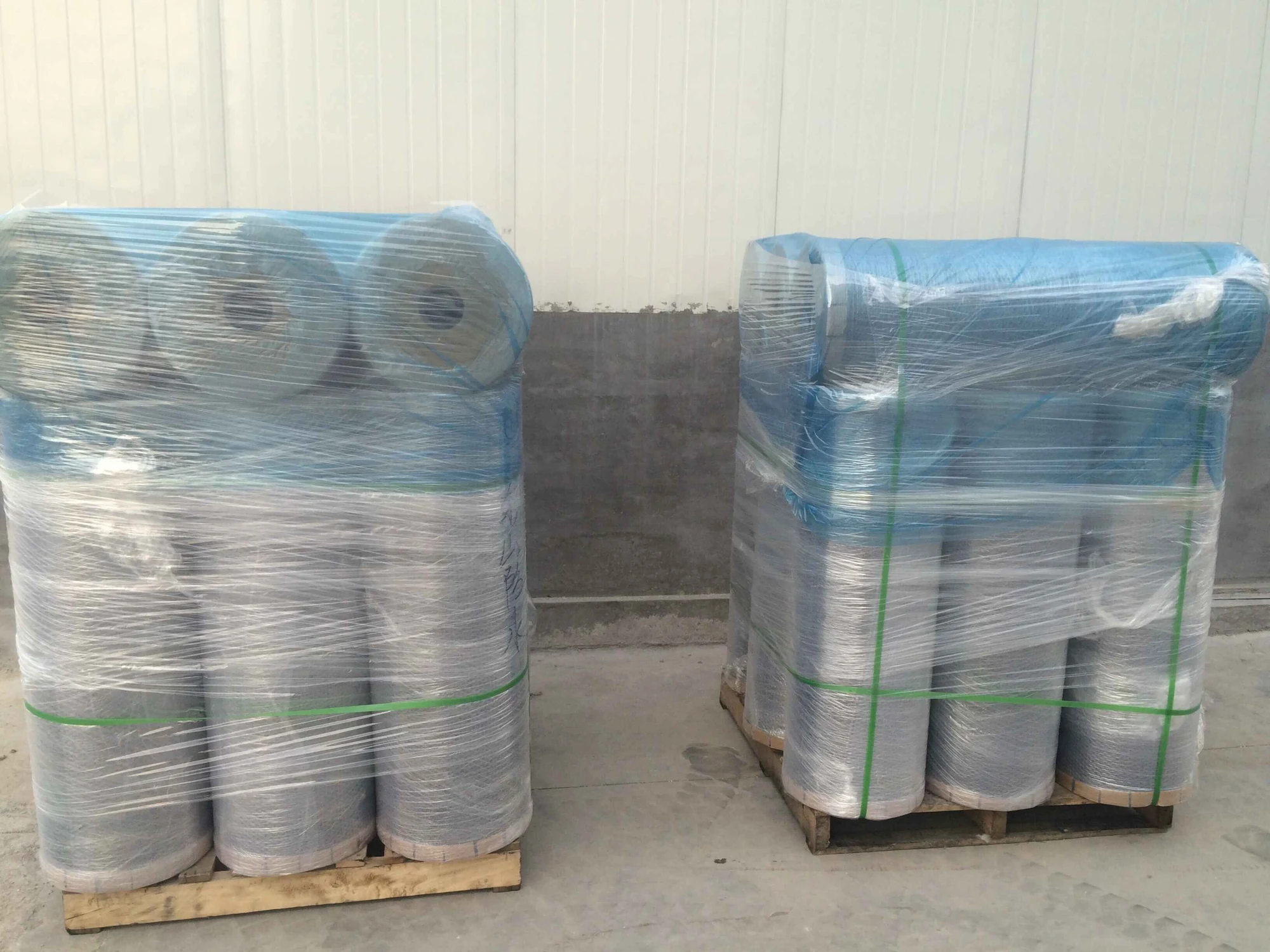
Request grade-specific instructions
Storage guidance should identify the material construction it covers. Ask whether the instructions apply to the supplied coated film and its packaging, and request the relevant document or written confirmation for the selected order.
A substrate name alone is not a complete storage specification. Merily PE and PET release-film inquiries should include the selected gauge, width and coating-side requirement so any available guidance can be matched to the supply item.
Keep the time basis clear
If shelf life is part of your acceptance or stock plan, confirm how it is defined, the date reference and the conditions attached to it. Record the applicable period rather than borrowing one from an unrelated material.
Keep production or shipment identification as provided on the actual documents. A loading photograph cannot establish the manufacture date of a later order. Ask for the information needed by your receiving and inventory procedure.
Storage information to request
On a phone, swipe the table sideways to see every column.
| Item | Clarify |
|---|---|
| Material scope | Actual supplied substrate and coating construction |
| Conditions | Applicable storage and handling instructions |
| Time basis | Defined period and relevant date reference |
| Identification | Roll/lot and receipt record |
| Opened packing | Required handling after inspection or sampling |
| Review | Procedure for stock outside the agreed condition |
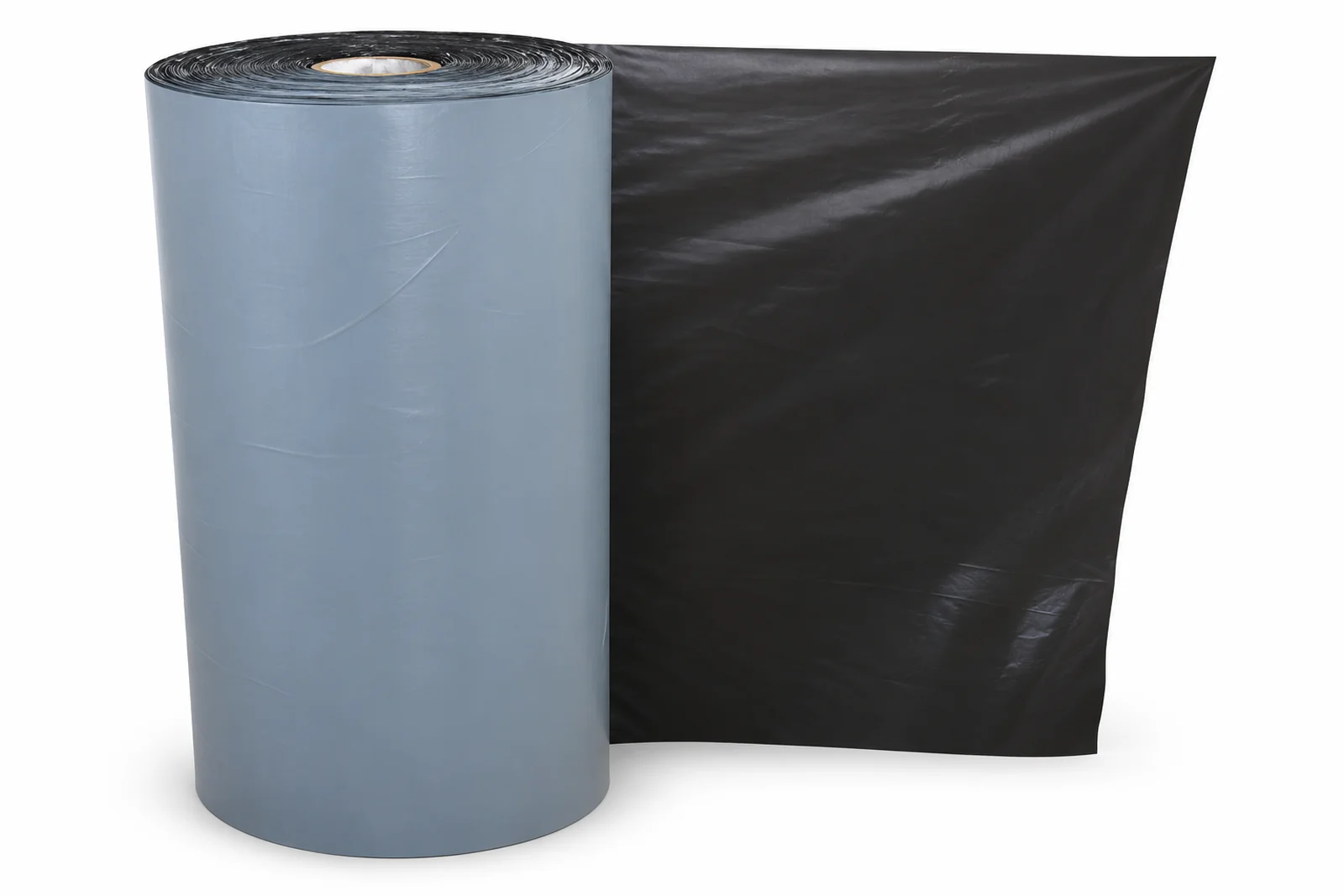
Preserve material and packaging identity
Label storage records with the roll or lot reference, receipt date and any recorded condition that matters to your process. Where packaging is opened for inspection or sampling, record the action and follow the applicable handling instructions.
Keep observations such as damaged wrapping or visible moisture separately identified. Do not treat an assumption about warehouse conditions as proof that the film meets an adhesive-specific release requirement. Storage records and technical evaluation serve different purposes.
Plan reorder and evaluation decisions with evidence
If stock has been held beyond an agreed period or outside a specified condition, request the appropriate review for the actual grade. Do not invent a universal extension period or automatically describe a roll as unusable without the applicable basis.
Send Merily the current material specification, quantity and expected use schedule. If shelf-life documentation or a particular storage requirement is essential to the purchase, put it in the RFQ before the order is confirmed.
Questions for This Purchase
Which storage conditions should I request?
Request the guidance applicable to the selected substrate, coating and supplied packing.
Does the catalogue establish the shelf life of my future shipment?
Confirm the actual grade, period and date basis in the relevant supply information.
Should warehouse records replace a release-performance evaluation?
No. They answer a different question.
Send your specification.
Get a clear material quote.
Tell us what you produce, the material you need and your required roll format. Include the quantity and destination port so we can prepare the product and packing details together.
Useful details: thickness or basis weight, width, roll length or weight, core, quantity and application. For release film, add coated side and release requirements.
Standard production: approximately 10 days for one 40-ft container order. Customized specifications: approximately 10–15 days. Confirm the schedule with the final order.