
Agree a Pinhole Inspection Basis for Thin PE Surface Film
If pinhole or visible-hole control matters to your membrane process, define the inspection and acceptance basis before the order. Keep the sample area, location and observation method with the result so the discussion is more precise than “film looks fine”.
State what is being inspected
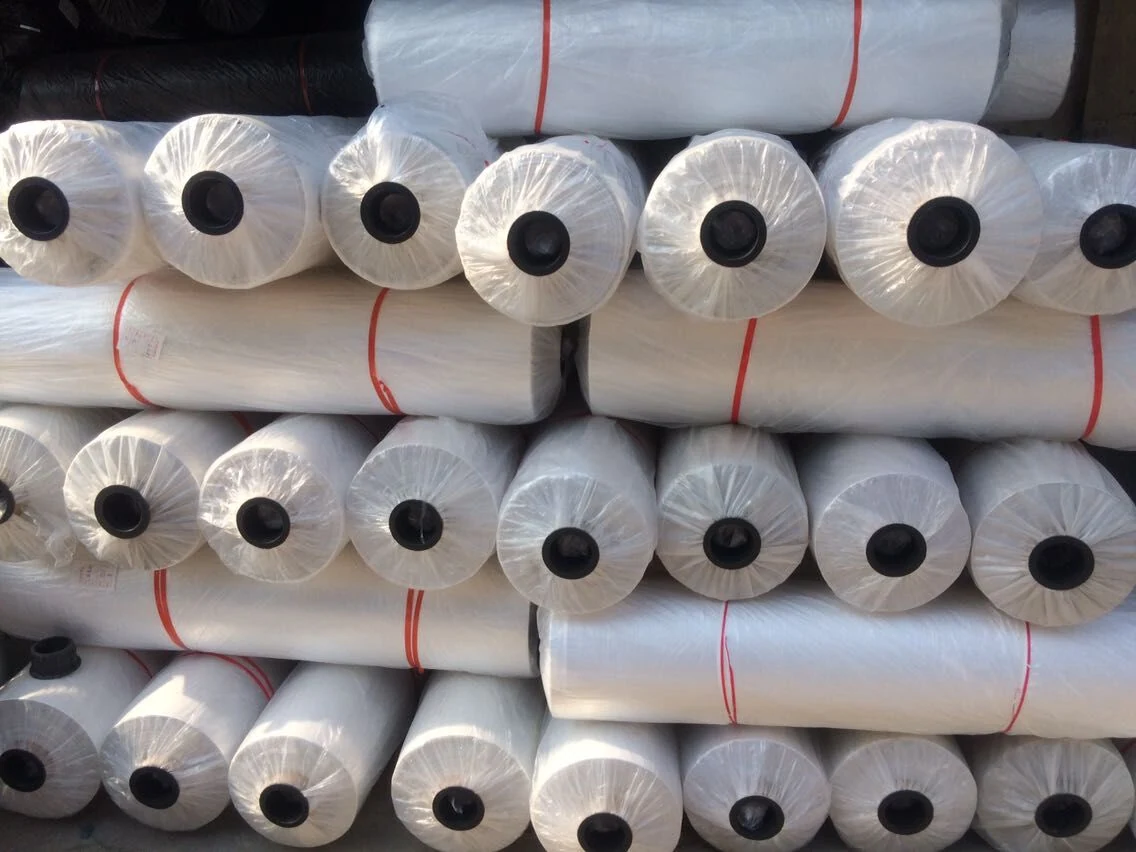
Identify the actual thin PE grade, gauge, width and sample reference. Describe the visible feature or defect category your team wants evaluated. Do not turn an unexplained mark in a photograph into a confirmed through-hole without the relevant inspection basis.
Merily’s listed thin PE range is 7–15 μm, with 8/12 μm common formats. If a specific defect criterion is required, include it with the selected grade rather than assuming it is fully defined by the thickness range.
Define a repeatable observation
Agree the inspection method and sample area used for comparison. Record the locations sampled across the web or along the roll as appropriate to your procedure. Keep the observation conditions with the sample identity.
If a count or other numerical acceptance limit is required, state the reporting unit and inspected area. A count without an area basis cannot be interpreted as a comparable frequency. Do not invent a universal limit from an isolated sample image.
Pinhole or visible-defect record
On a phone, swipe the table sideways to see every column.
| Item | Record |
|---|---|
| Material | Grade, gauge, width and sample identity |
| Definition | The feature being assessed |
| Method | Inspection arrangement and conditions |
| Sample area | Area and locations inspected |
| Result | Observation or count with its basis |
| Criterion | Agreed requirement for the quoted grade |
Separate the material observation from membrane performance
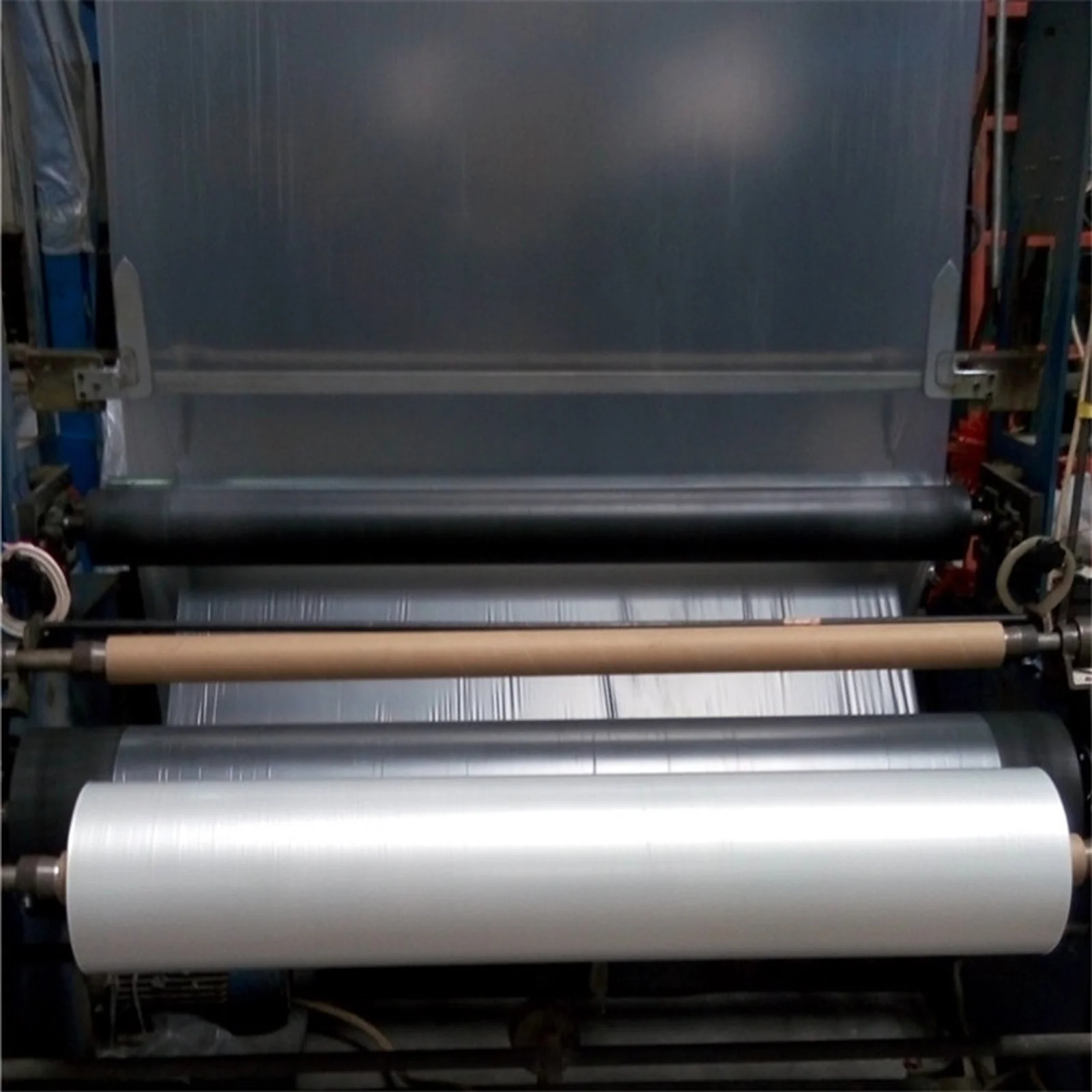
An observation on an uncoated film sample is not automatically a finished-membrane waterproofing result. Keep the component inspection and the relevant membrane evaluation as different records.
Likewise, a visible surface mark and a dimensional measurement answer different questions. If a feature is investigated, retain a clear photograph and the labelled sample so the supplier and factory can discuss the same location.
Use the finding in an order decision
Before placing an order, confirm whether the requested inspection requirement is applicable to the quoted grade and what documentation is available. If an alternative material is proposed, identify its own specification and evaluation rather than transferring an old approval silently.
Send Merily the material specification, required inspection basis, quantity and destination. This lets the inquiry address the actual acceptance requirement alongside the production-roll and packing format.
Questions for This Purchase
Can a photograph alone establish a hole-count limit?
No. Agree the definition, inspection basis and acceptance requirement.
Is a defect count meaningful without the inspected area?
Keep the area and reporting unit with any count so comparisons are interpretable.
Does component-film inspection certify a finished membrane?
No. The component and finished membrane require their own relevant evaluation.
Send your specification.
Get a clear material quote.
Tell us what you produce, the material you need and your required roll format. Include the quantity and destination port so we can prepare the product and packing details together.
Useful details: thickness or basis weight, width, roll length or weight, core, quantity and application. For release film, add coated side and release requirements.
Standard production: approximately 10 days for one 40-ft container order. Customized specifications: approximately 10–15 days. Confirm the schedule with the final order.