
Read MD and TD Together in a Polyester Reinforcement Specification
Directional data should survive every handover from the technical table to the quotation and purchase order. Keep MD and TD beside tensile and elongation values so the material being approved is the material being ordered.
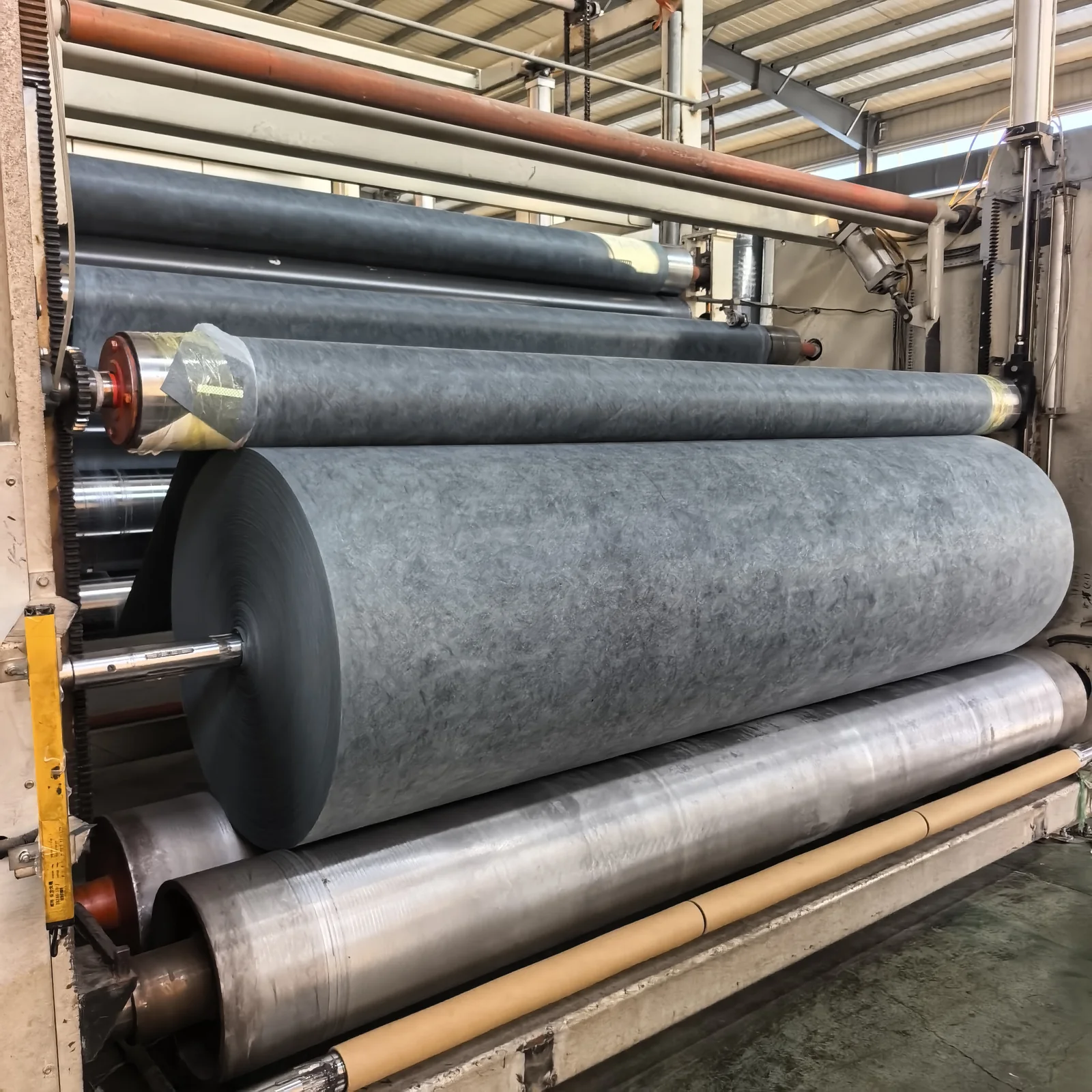
Name the directions clearly
MD means machine direction and TD means transverse direction in our published reinforcement table. Keep those labels with the numbers when preparing an internal buying comparison. A directionless “strength” value leaves out part of the requirement.
For a physical sample, your team should preserve how the directions were identified. Mark the sample reference and orientation used in the agreed test. If that information is missing from a supplier document, ask for clarification rather than guessing which number belongs to which direction.
Use one complete grade column
The 180 g/m² continuous-filament polyester column lists tensile force of 600 N/50 mm MD and 500 N/50 mm TD. Its elongation-at-break entries are 31% MD and 37% TD. For 200 g/m², the corresponding figures are 650/550 N/50 mm and 33%/38%.
These are published requirements for the stated grades. Do not combine the tensile value from one grade with the elongation value from another to create a specification no offered column actually describes. Keep tear values in their own row and units as well.
Directional data from the published grade table
On a phone, swipe the table sideways to see every column.
| Grade | Tensile MD/TD | Elongation MD/TD |
|---|---|---|
| 180 g/m² | 600/500 N/50 mm | 31%/37% |
| 200 g/m² | 650/550 N/50 mm | 33%/38% |
| Use of figures | Grade-specific technical requirements | Not a finished-membrane certification |
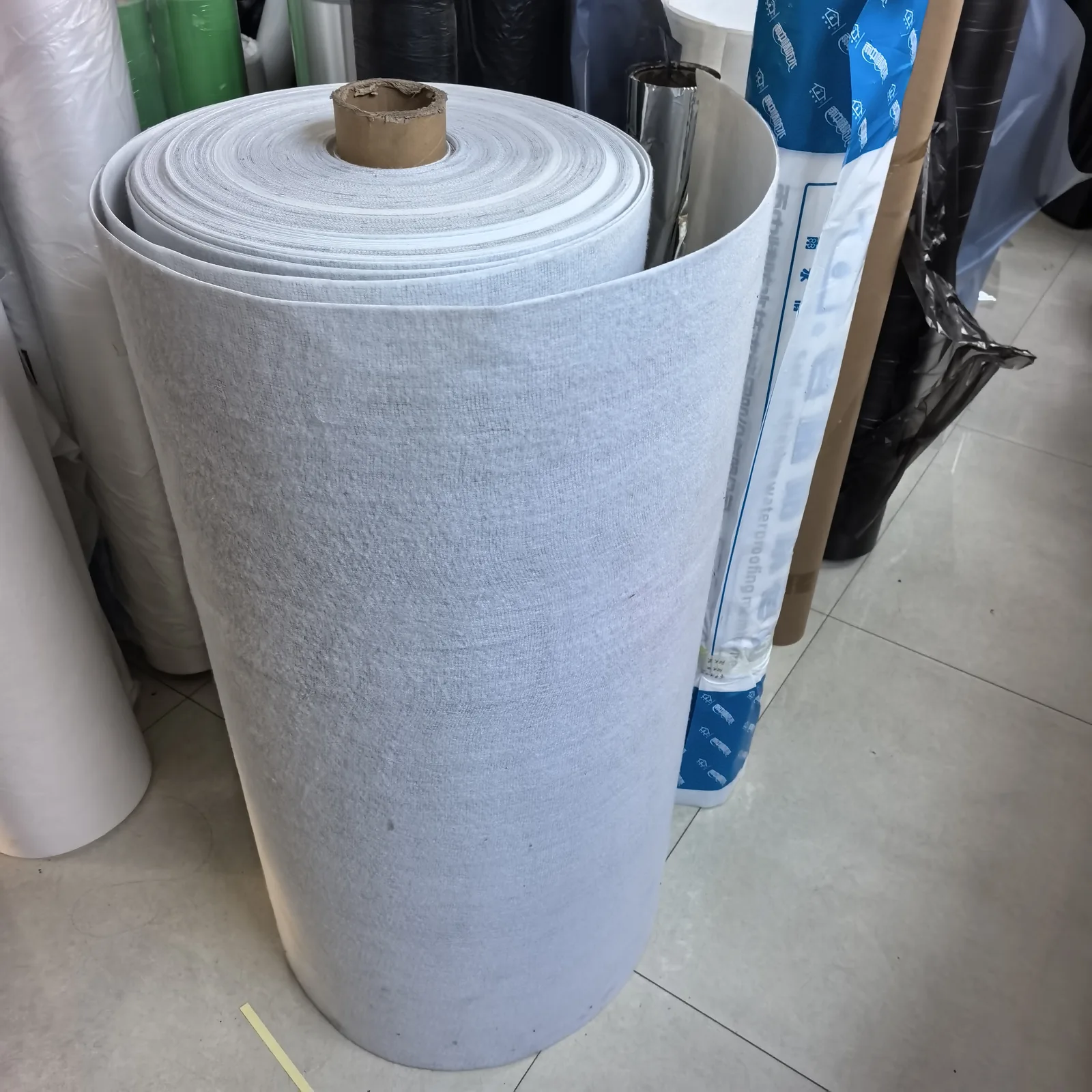
Check whether the figures are comparable
Before ranking offers, retain the method, specimen basis and units stated by each source. A value inN/50 mm needs its width basis; a percentage is a different measurement. Converting a document into a spreadsheet must not delete that context.
If two reports use different conditions or leave details unspecified, record the gap. The task is to identify what the offered grade meets, not to create a false numerical ranking. A supplier’s data for another material or reinforcement construction should not fill an unexplained blank.
Carry the approved requirement into the purchase order
Attach or reference the agreed grade table and revision. Include the material identity, basis weight and width so the directional values stay connected to the supplied product. Keep the approved sample reference in the same order record.
Merily can discuss the continuous-filament polyester grade and the required production roll together. Send the MD/TD requirement with the width, length or handling limit, quantity and destination. That avoids a technical approval of one grade followed by an ambiguous order for “polyester mat”.
Questions for This Purchase
Can I swap MD and TD if I label them later?
No. Preserve the direction identification from the source and sample.
Is elongation another expression of tensile force?
No. They are separate properties and should remain separate requirements.
Do these requirements prove a future shipment’s test results?
No. A grade requirement and a batch-specific result are different documents; confirm any required order documentation.
Send your specification.
Get a clear material quote.
Tell us what you produce, the material you need and your required roll format. Include the quantity and destination port so we can prepare the product and packing details together.
Useful details: thickness or basis weight, width, roll length or weight, core, quantity and application. For release film, add coated side and release requirements.
Standard production: approximately 10 days for one 40-ft container order. Customized specifications: approximately 10–15 days. Confirm the schedule with the final order.