
Specify Release-Film Splices Before They Reach Your Production Line
A splice is a supply detail worth agreeing before dispatch. State whether splices are permitted, how they must be identified and what information your production team needs to manage them. Do not leave the rule hidden inside an approximate roll-length figure.
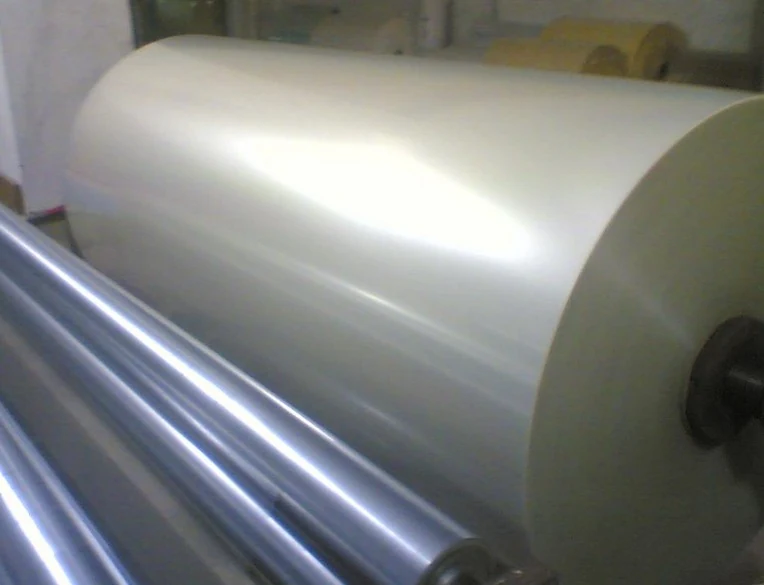
Define the requirement in the RFQ
Ask the supplier to state whether the proposed roll format may contain splices. If your process requires a restriction, write it into the requested specification. Distinguish a request for no splices from an agreed maximum or a marking requirement.
There is no universal splice allowance stated here for all Merily release-film orders. The useful purchasing step is to obtain a clear answer for the selected material and roll format, then include that answer in the quotation and order.
Make a permitted splice identifiable
Where splices are accepted, agree the identification method and the information to accompany the roll. Relevant fields can include roll identity, splice count, position and the agreed visible marker or label. Define any requirement for the splice construction separately.
Keep the marker description practical for your receiving and production teams. A vague instruction to “mark the splice” leaves open what the mark looks like and where the information is recorded. Ask for the agreed arrangement to be confirmed before shipment.
Splice requirements to agree
On a phone, swipe the table sideways to see every column.
| Field | Confirmation needed |
|---|---|
| Permission | Whether splices are permitted for this order |
| Limit | Any agreed count or other restriction |
| Construction | The accepted splice arrangement if specified |
| Identification | Marker, label and accompanying record |
| Length basis | Total supplied length and any agreed reporting convention |
| Receiving | Roll identity linked to the order requirement |
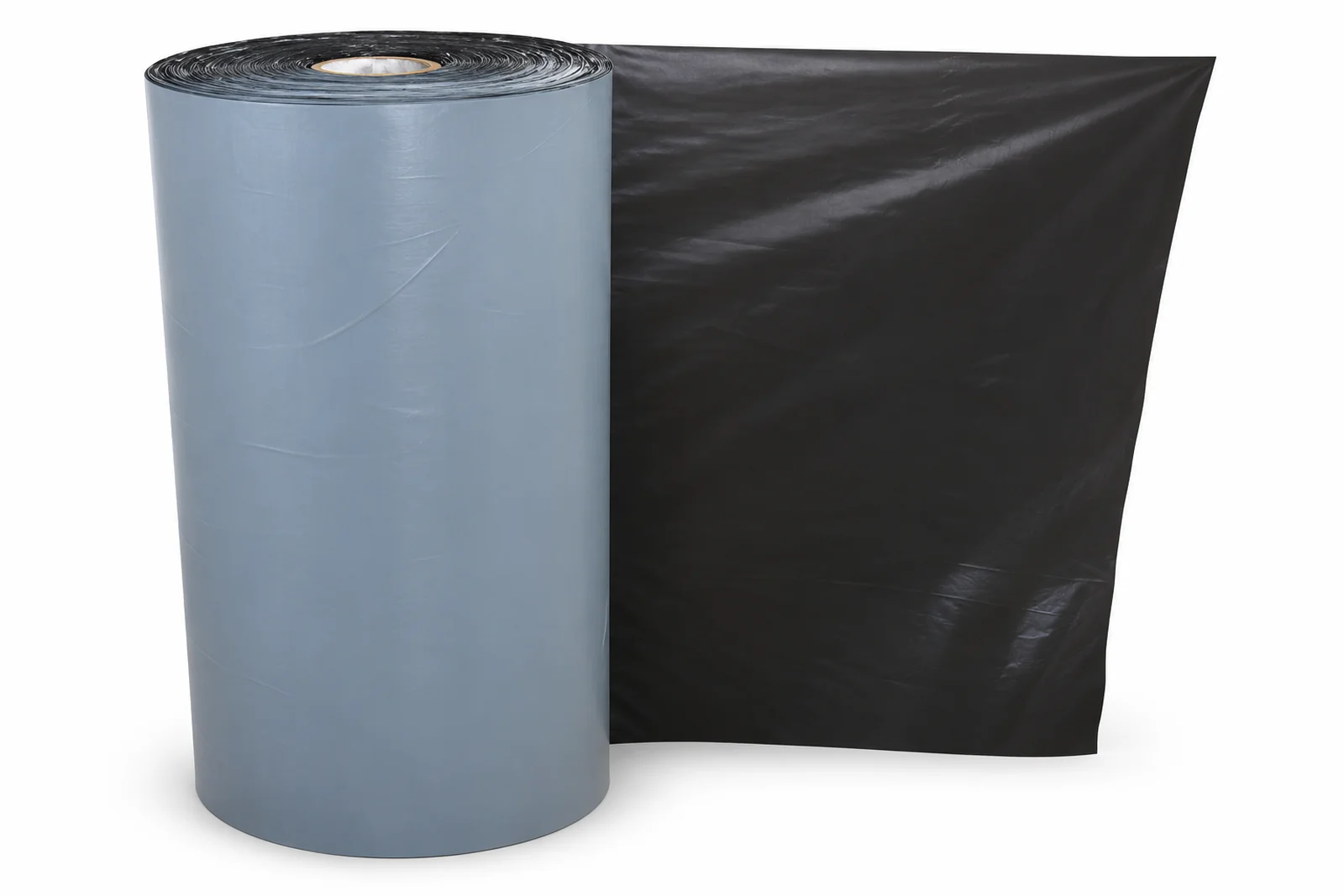
Separate total length from usable production length
Confirm how the roll length is stated and how any agreed exclusion around a splice will be handled in your own production plan. Do not silently deduct an arbitrary allowance or treat a nominal roll length as a guaranteed uninterrupted run.
For example, a planning sheet can show total supplied length, the agreed number of interruptions and a buyer-defined handling allowance. The allowance is an input from your process, not a new supplier performance promise. Keep the distinction visible in a cost comparison.
Carry the rule through receiving
At receipt, match the roll labels and accompanying records to the order. If the supplied information differs from the agreed splice rule, record the discrepancy with the roll identity and relevant photographs. Keep that record separate from coating-side and release-force checks.
Send Merily your PE or PET release-film specification, required roll format and splice requirement with the quantity. A specific request lets the quoted supply and your production planning use the same definition.
Questions for This Purchase
Does a nominal roll length mean a continuous splice-free run?
Not unless that is explicitly confirmed in the agreed supply specification.
Is a universal splice allowance stated for every order?
No. Confirm the requirement and feasibility for the selected material and format.
Should splice records replace material test documents?
No. They are a separate roll-supply requirement.
Send your specification.
Get a clear material quote.
Tell us what you produce, the material you need and your required roll format. Include the quantity and destination port so we can prepare the product and packing details together.
Useful details: thickness or basis weight, width, roll length or weight, core, quantity and application. For release film, add coated side and release requirements.
Standard production: approximately 10 days for one 40-ft container order. Customized specifications: approximately 10–15 days. Confirm the schedule with the final order.