
Identify the Silicone-Coated Face Before Loading a Release-Film Roll
Put the adhesive-contact face and unwind orientation in the order record. A clear face-identification reference helps your receiving and production teams load the intended side without relying on film colour or an unlabelled sample.
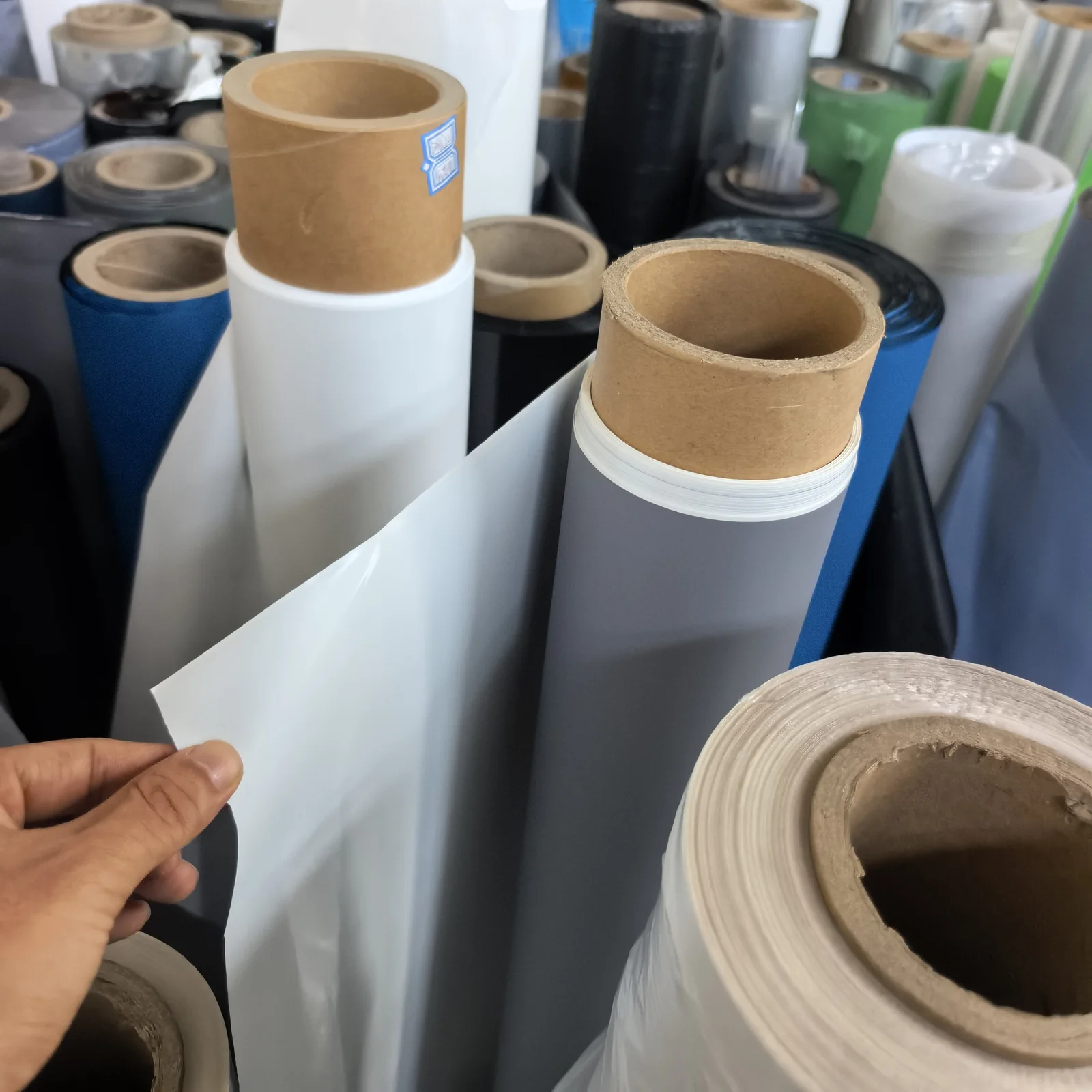
Make the face designation unambiguous
Use a simple A/B designation or another agreed convention for the two faces of the film. State which face is intended to contact the membrane adhesive. Keep that designation in the sample record, quotation and roll instruction.
A colour description alone is not a coating specification. Likewise, the name PE or PET identifies the substrate but does not tell the operator which face is the approved contact face. If the construction has coating requirements on both sides, describe each side separately.
Show the direction with a drawing or labelled reference
Send a sketch that identifies the roll end, the direction of rotation or film path and the intended adhesive-facing side. Use the same viewpoint for the approval and production instructions. A photograph taken from the opposite end can otherwise be interpreted differently.
If you are matching an existing roll, mark a sample before removing it from its orientation reference. Identify the inside and outside of the wound material only in the agreed convention; do not leave a supplier to infer the coating side from a curled loose strip.
A coating-side handover record
On a phone, swipe the table sideways to see every column.
| Record | State clearly |
|---|---|
| Face A / Face B | The agreed side-identification convention |
| Contact face | Which face touches the membrane adhesive |
| Roll orientation | Viewpoint, unwind direction and film path |
| Sample | Identity and approval reference |
| Coating requirement | Each functional side specified separately |
| Repeat order | Current specification revision |
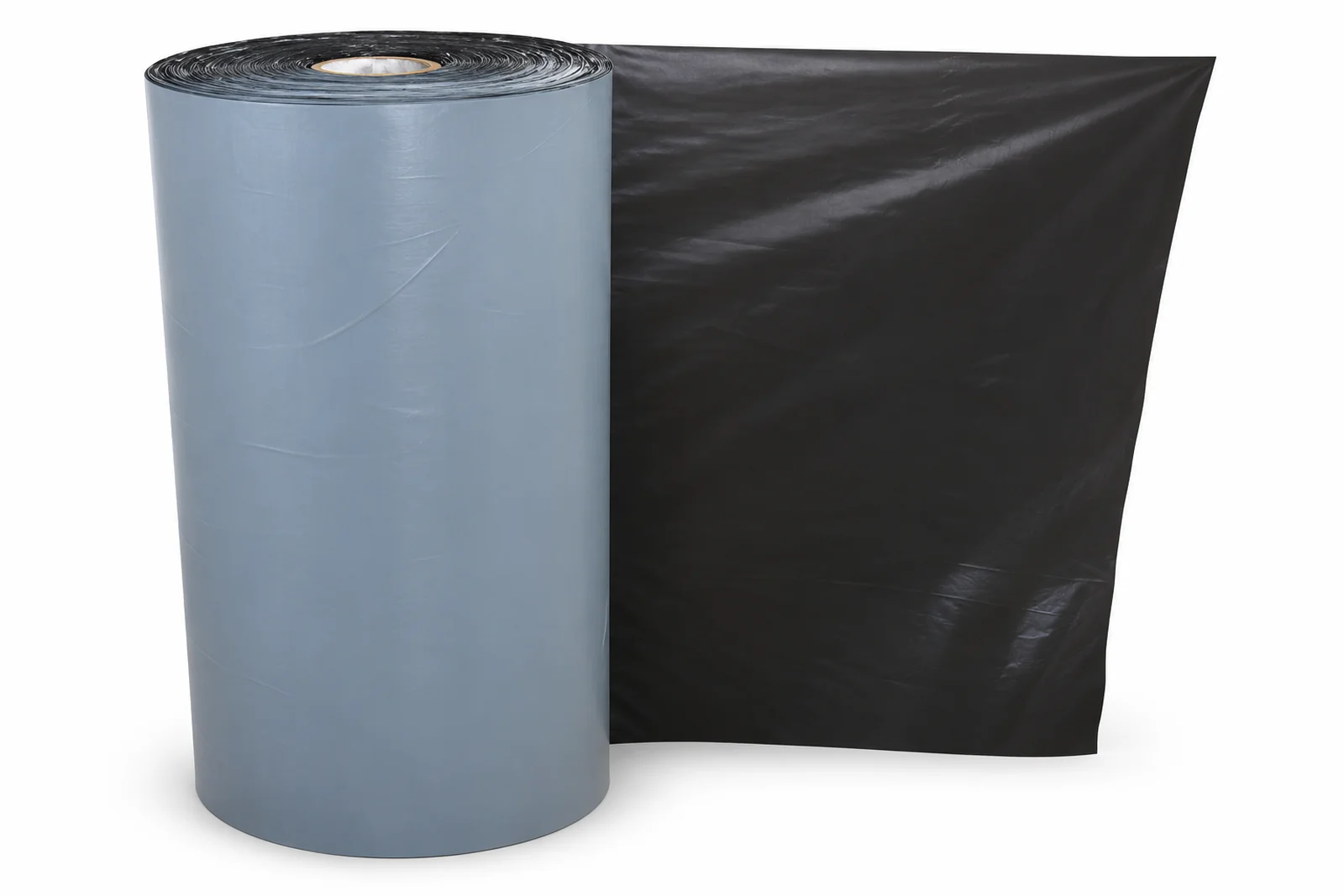
Keep identification separate from performance verification
A face label helps identify the intended construction. It does not prove that the release behaviour meets an adhesive-specific requirement. Keep the agreed test conditions and acceptance requirement with the selected sample.
Do not use an improvised appearance check as a substitute for a confirmed coating-side description and the required evaluation. Ask the supplier for clarification when the sample, label and specification disagree. The goal is to resolve the identity before the material becomes a production question.
Connect the reference to repeat supply
For Merily PE and PET release-film inquiries, include substrate, gauge, width, coated face and unwind direction. Add the core and required roll length or weight. Common supply widths are 960/1060 mm, but the face designation should remain clear for any agreed format.
Keep the approved reference and revision with repeat orders. If winding or coating-side requirements change, list that change explicitly. Send us your current sample and orientation information so the quotation can describe the material as your line will use it.
Questions for This Purchase
Can I identify the coated face only by colour?
Do not rely on colour alone. Use the agreed construction description, face designation and sample reference.
Does identifying the face prove the release requirement?
No. Face identity and adhesive-specific performance are separate checks.
What should accompany a winding photograph?
A clear viewpoint, roll direction and marked adhesive-contact face.
Send your specification.
Get a clear material quote.
Tell us what you produce, the material you need and your required roll format. Include the quantity and destination port so we can prepare the product and packing details together.
Useful details: thickness or basis weight, width, roll length or weight, core, quantity and application. For release film, add coated side and release requirements.
Standard production: approximately 10 days for one 40-ft container order. Customized specifications: approximately 10–15 days. Confirm the schedule with the final order.