
Read Polyester Mat Thermal Dimensional-Stability Data with Its Test Conditions
Keep the grade and evaluation conditions beside a thermal dimensional-stability figure. A percentage is not a universal operating temperature or a finished-membrane performance certificate.
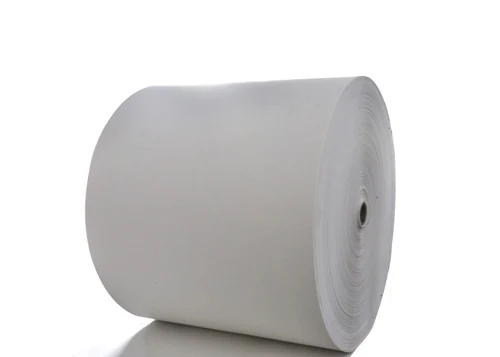
Find the matching grade column
Merily’s published continuous-filament polyester table covers 120, 140, 160, 180, 200 and 250 g/m². The thermal dimensional-stability row lists 1.50%, 1.40%, 1.20%, 1.00%, 0.90% and 0.60% respectively.
Preserve each value with its own grade. Other supply weights need their own agreed specification; do not interpolate a figure and present it as a verified requirement for an unlisted column.
Request the measurement basis
To compare another source’s figure, ask for the applicable test method, conditioning, direction and reporting basis. The relevant conditions must remain part of the result instead of being dropped when the number moves into a purchasing spreadsheet.
Do not interpret a dimensional-change percentage as an allowable process temperature. The value and the temperature or conditioning used to obtain it are different pieces of information. Confirm the intended meaning before making a numerical comparison.
Published thermal row by grade
On a phone, swipe the table sideways to see every column.
| Basis weight | Listed thermal value |
|---|---|
| 120/140/160 g/m² | 1.50%/1.40%/1.20% |
| 180/200/250 g/m² | 1.00%/0.90%/0.60% |
| Comparison | Retain applicable method and conditions |
| Other grades | Confirm their own agreed specification |
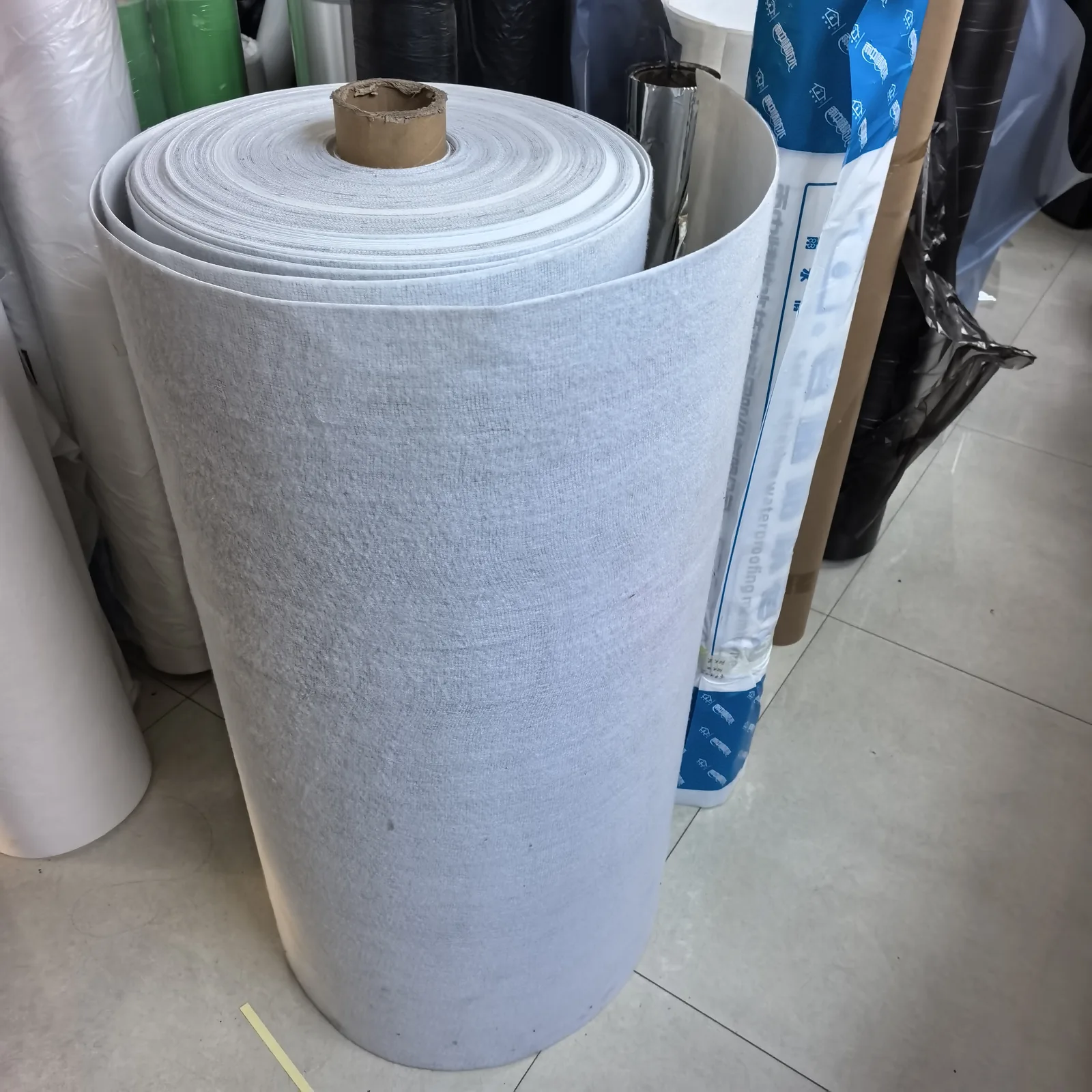
Keep the component and process evaluations distinct
A reinforcement data-table entry describes a requirement for the stated material. The membrane construction and production process may require additional evaluation. Keep the sample identity and relevant impregnation or line conditions with the trial record.
If a grade change is proposed, compare the full requirement set, including tensile, elongation and tear where applicable. A single thermal row should not replace the rest of the approved specification.
Put the confirmed requirement into the order
Include basis weight, width, roll format and the required documentation in the RFQ. Common polyester widths are 1010/1020 mm; the selected supply configuration should remain linked to the technical grade.
Send Merily the current reinforcement specification and thermal requirement with its evaluation basis. We can discuss the selected grade and production roll without extending one catalogue row into an unsupported universal claim.
Questions for This Purchase
Does the percentage state a process temperature limit?
No. Keep the property and its evaluation conditions separate.
Can I use the 250 g/m² value for 300 g/m² without confirmation?
No. Confirm the requirements for the actual ordered grade.
Should thermal data replace a membrane trial?
Use the component data and the relevant membrane/process evaluation for their respective decisions.
Send your specification.
Get a clear material quote.
Tell us what you produce, the material you need and your required roll format. Include the quantity and destination port so we can prepare the product and packing details together.
Useful details: thickness or basis weight, width, roll length or weight, core, quantity and application. For release film, add coated side and release requirements.
Standard production: approximately 10 days for one 40-ft container order. Customized specifications: approximately 10–15 days. Confirm the schedule with the final order.