
Read Release-Film Tensile and Elongation Requirements as a Pair
A release-film mechanical specification needs more than a strength number. Keep the test direction, specimen basis, unit and elongation requirement together, then compare those properties separately from release force.
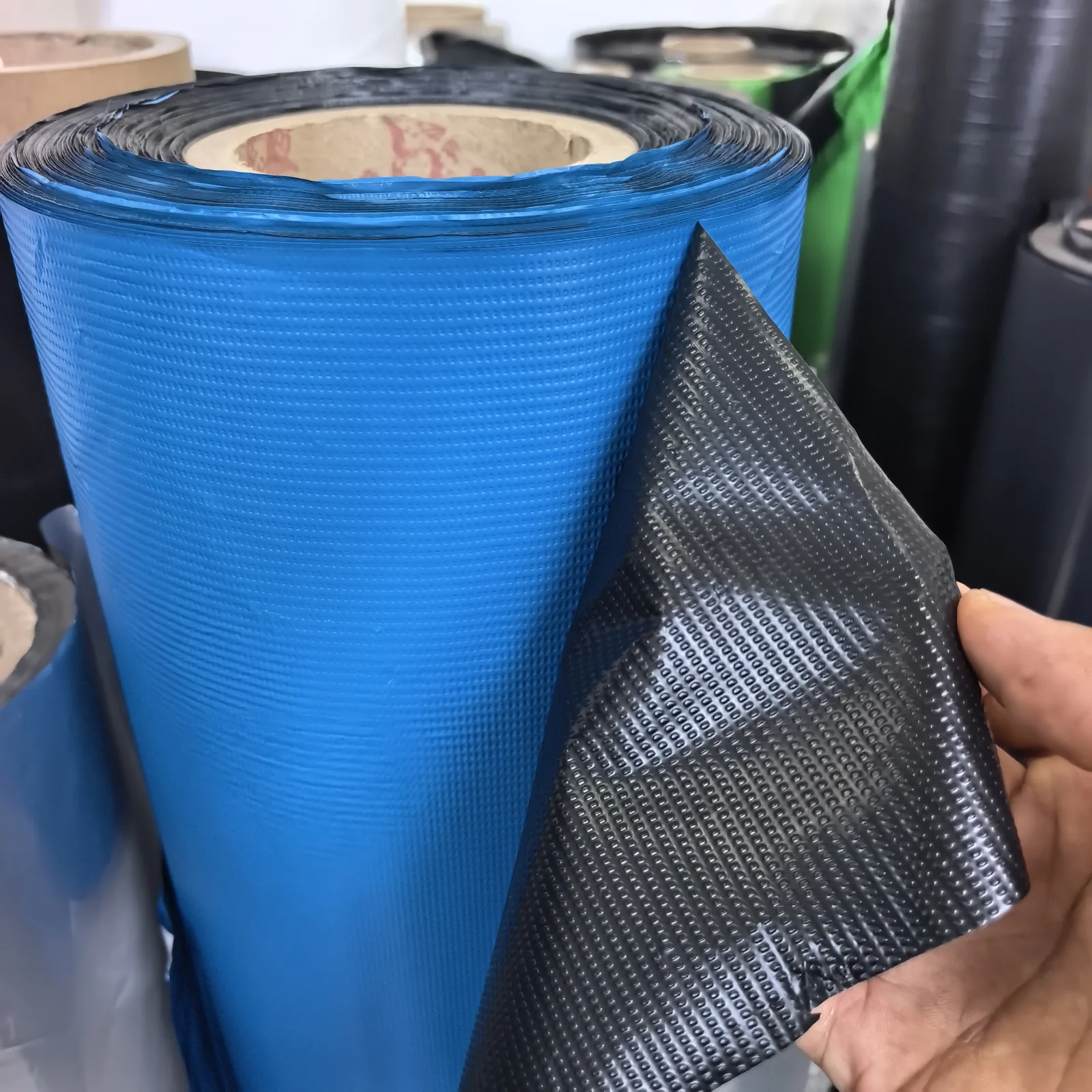
Separate the two buying questions
One question is whether the film meets the mechanical requirement for handling and production. Another is how it separates from the adhesive under the agreed evaluation. These belong in different fields of the order specification. Neither should be used as a substitute for the other.
Merily supplies PE and PET release-film formats for membrane manufacturers. To compare a candidate with your current liner, send the existing material specification and the required mechanical values with their measurement basis. A substrate name is not a universal tensile specification for every coated grade.
Keep direction and unit attached to each value
Where a report uses MD and TD, identify MD as machine direction and TD as transverse direction. Copy the directions with the values when preparing a comparison. A result without its direction can hide an important difference between the reported items.
Also retain the specimen width and force unit. A value reported inN/50 mm is not simply a value inN/mm with the same printed number. Before converting data or judging equivalence, confirm that the method and specimen basis are comparable. Do not fill missing data with results from a different film type.
A clear mechanical comparison sheet
On a phone, swipe the table sideways to see every column.
| Field | Retain with the result |
|---|---|
| Tensile force | Direction, unit, specimen basis and method |
| Elongation at break | Direction, percentage and method |
| Material identity | Substrate, gauge and quoted construction |
| Document scope | Which supplied grade the data describes |
| Release behaviour | A separate adhesive-specific requirement |
| Roll configuration | Width, core, winding and handling limits |
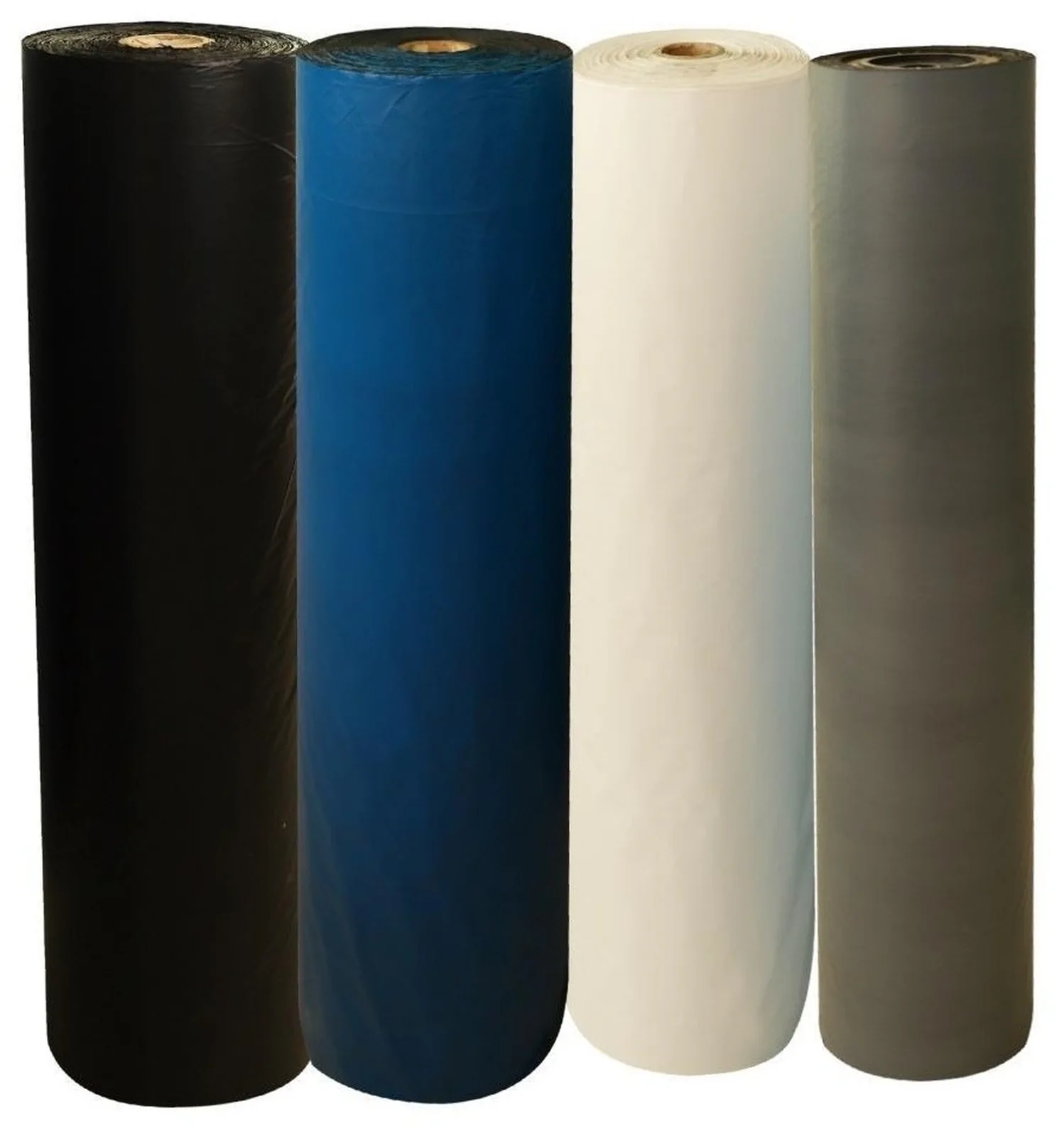
Use elongation to complete the mechanical requirement
An elongation-at-break value is a different measurement from tensile force. Record it in its own row, including direction where given. A procurement table should let the production team see both properties rather than reducing the material to one “strong film” description.
If you need a limit for your application, make it part of the agreed specification and sample evaluation. This guide does not invent one universal strength or elongation threshold for all release films. The useful comparison is between the quoted construction and your actual requirements.
Connect the test data to the roll you order
Trace the data to the material grade, gauge and coating construction in the offer. Check whether the document describes the relevant substrate or the supplied coated film. If that is unclear, ask before treating the result as acceptance evidence for the complete product.
Finally confirm the width, core, winding and roll size. A laboratory specimen does not describe every handling feature of the production roll. Send us the reference sample and your required format so the technical discussion and the quotation refer to the same item.
Questions for This Purchase
Is tensile strength the same as release force?
No. Mechanical strength and separation from the adhesive are different requirements.
Can I use another gauge’s result for my order?
Only use data whose applicability to the ordered grade is confirmed. Do not silently transfer values between grades.
Should MD and TD stay in the quotation?
Yes, when the requirement is directional. Keep the direction and measurement basis beside each value.
Send your specification.
Get a clear material quote.
Tell us what you produce, the material you need and your required roll format. Include the quantity and destination port so we can prepare the product and packing details together.
Useful details: thickness or basis weight, width, roll length or weight, core, quantity and application. For release film, add coated side and release requirements.
Standard production: approximately 10 days for one 40-ft container order. Customized specifications: approximately 10–15 days. Confirm the schedule with the final order.