
Keep Polyester Reinforcement Lot Identity Connected to Sample Approval
A traceable purchasing record connects the approved grade, the supplied rolls and the sample used for evaluation. Preserve those links without confusing a technical requirement table with a test result for a particular shipment.
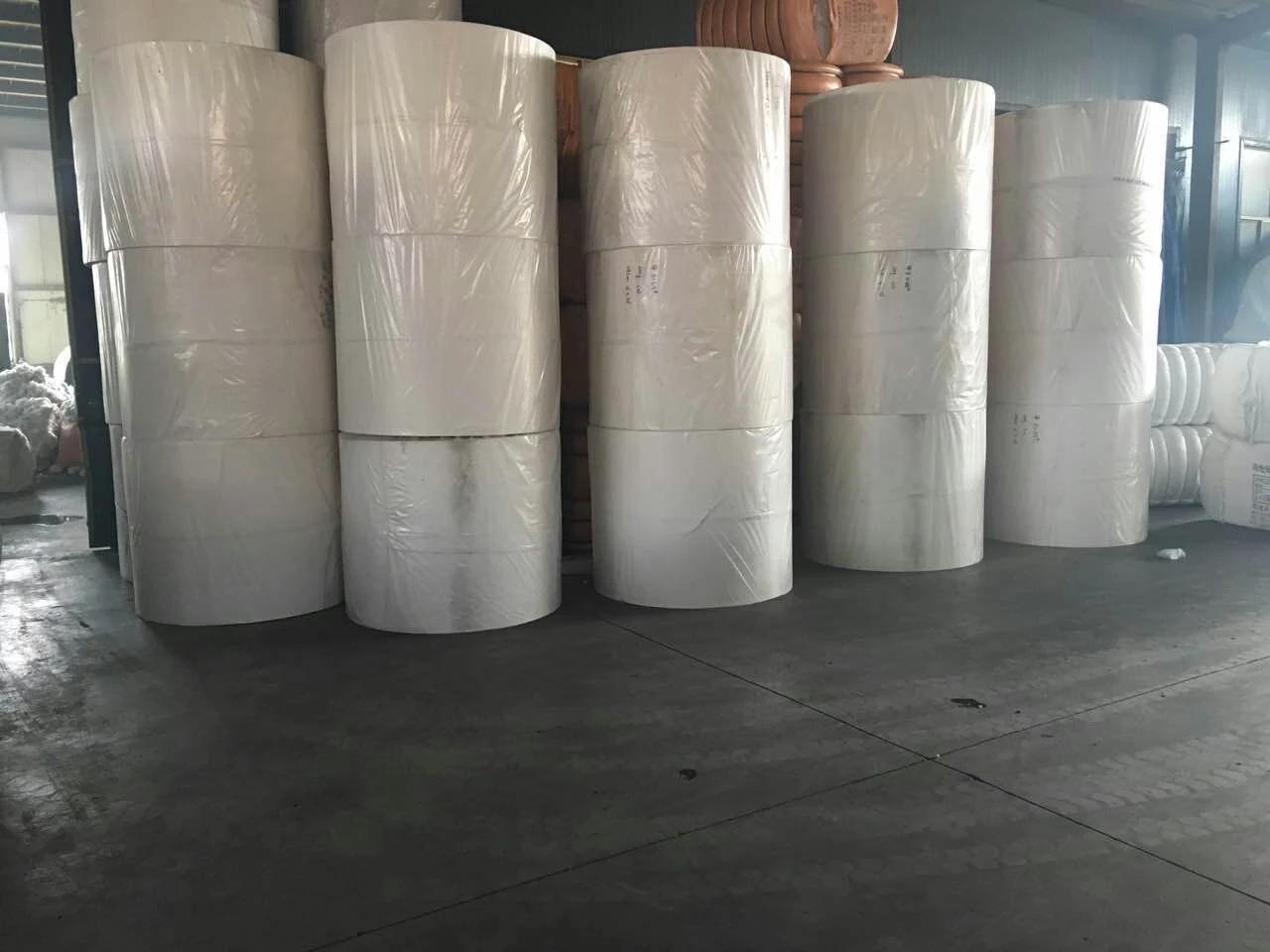
Start with the approved specification
Record the continuous-filament polyester construction, basis weight, width and required technical properties. Keep the specification revision and sample approval reference with the purchase order.
If an alternative grade is proposed, identify it separately. A repeated product nickname is not enough to show that the approved construction and the supplied material are unchanged.
Use the identification actually supplied
Ask which roll, lot or shipment references will be available in the order and packing documents. Record those references at receiving and keep them attached to any sample taken for inspection.
This is a practical record requirement, not a claim that every supplier uses an identical numbering system. Agree the needed information for the actual order rather than inventing a missing traceability field after delivery.
Traceability links to retain
On a phone, swipe the table sideways to see every column.
| Record | Connect to |
|---|---|
| Approval | Specification revision and sample reference |
| Order | Selected grade, width and roll format |
| Shipment | Available lot / roll and packing references |
| Sample | Parent roll and location |
| Result | Method and material identity |
| Issue | The material released to your production record |
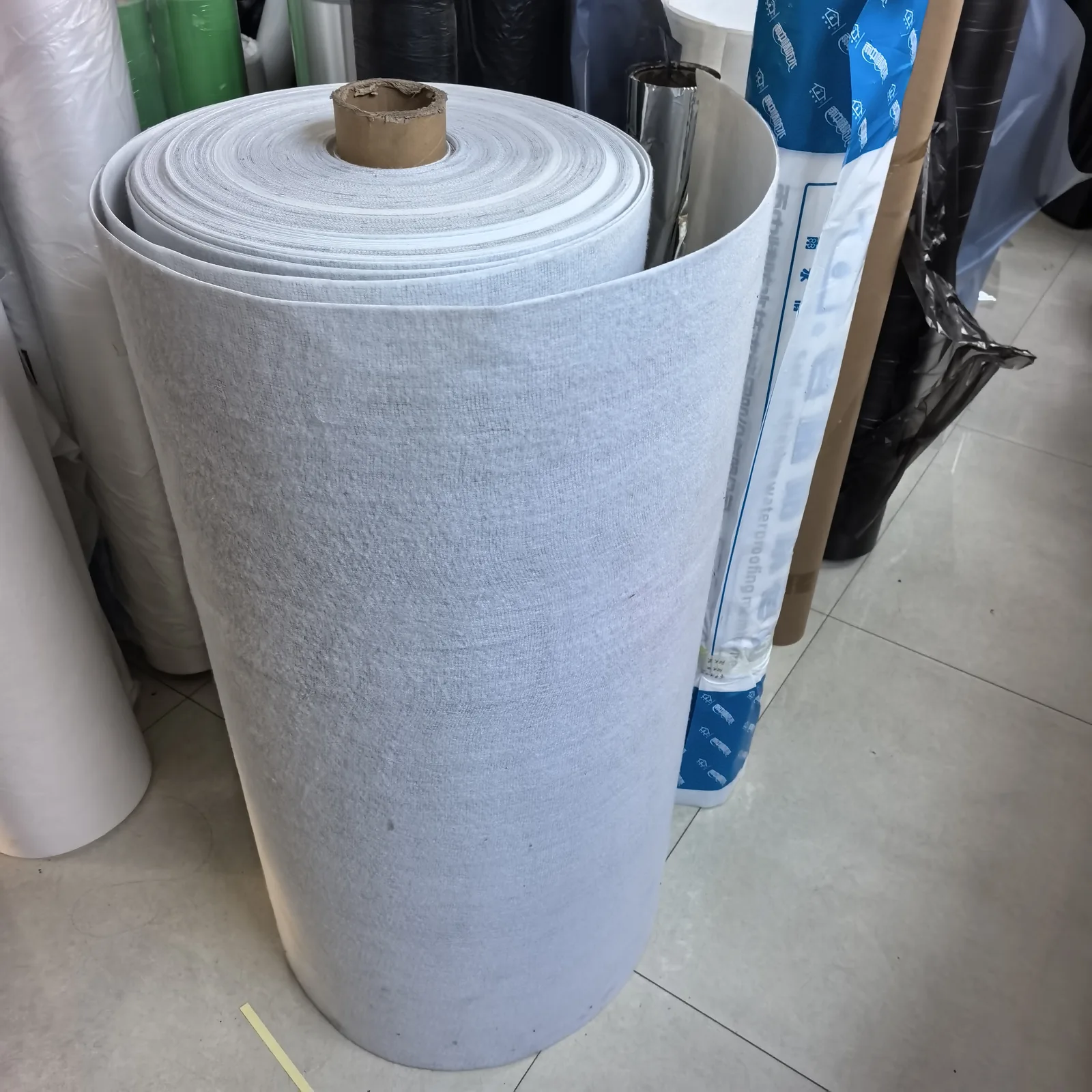
Keep document types separate
The product catalogue introduces supply options. A grade table states technical requirements for its columns. A quotation describes the selected order, and any batch-specific report must identify the actual material it covers.
Do not relabel a catalogue table as a batch certificate. If the order requires particular documentation, request its scope and availability before confirmation so both teams know what will accompany the shipment.
Retain identity through the trial and production issue
For each sample, record its parent roll or other available reference and the relevant location. Keep the identity through the evaluation so a result can be connected to the actual supplied grade.
Send Merily the specification and required order-document fields with the quantity and destination. This helps align sample discussion, quotation and receiving records around one clearly identified purchase.
Questions for This Purchase
Does a grade table identify my shipment’s actual test result?
No. Requirement tables and batch-specific results are different documents.
Should sample identity survive after cutting?
Keep the connection to the parent material through the evaluation.
When should required documentation be requested?
Include its scope in the RFQ and confirm availability before the order is finalised.
Send your specification.
Get a clear material quote.
Tell us what you produce, the material you need and your required roll format. Include the quantity and destination port so we can prepare the product and packing details together.
Useful details: thickness or basis weight, width, roll length or weight, core, quantity and application. For release film, add coated side and release requirements.
Standard production: approximately 10 days for one 40-ft container order. Customized specifications: approximately 10–15 days. Confirm the schedule with the final order.