
Agree a Useful Curl and Flatness Check for Release-Film Samples
Before comparing curl or flatness, define the sample, orientation and observation conditions. A loose strip photographed one way is not automatically comparable with a sample taken or placed another way.
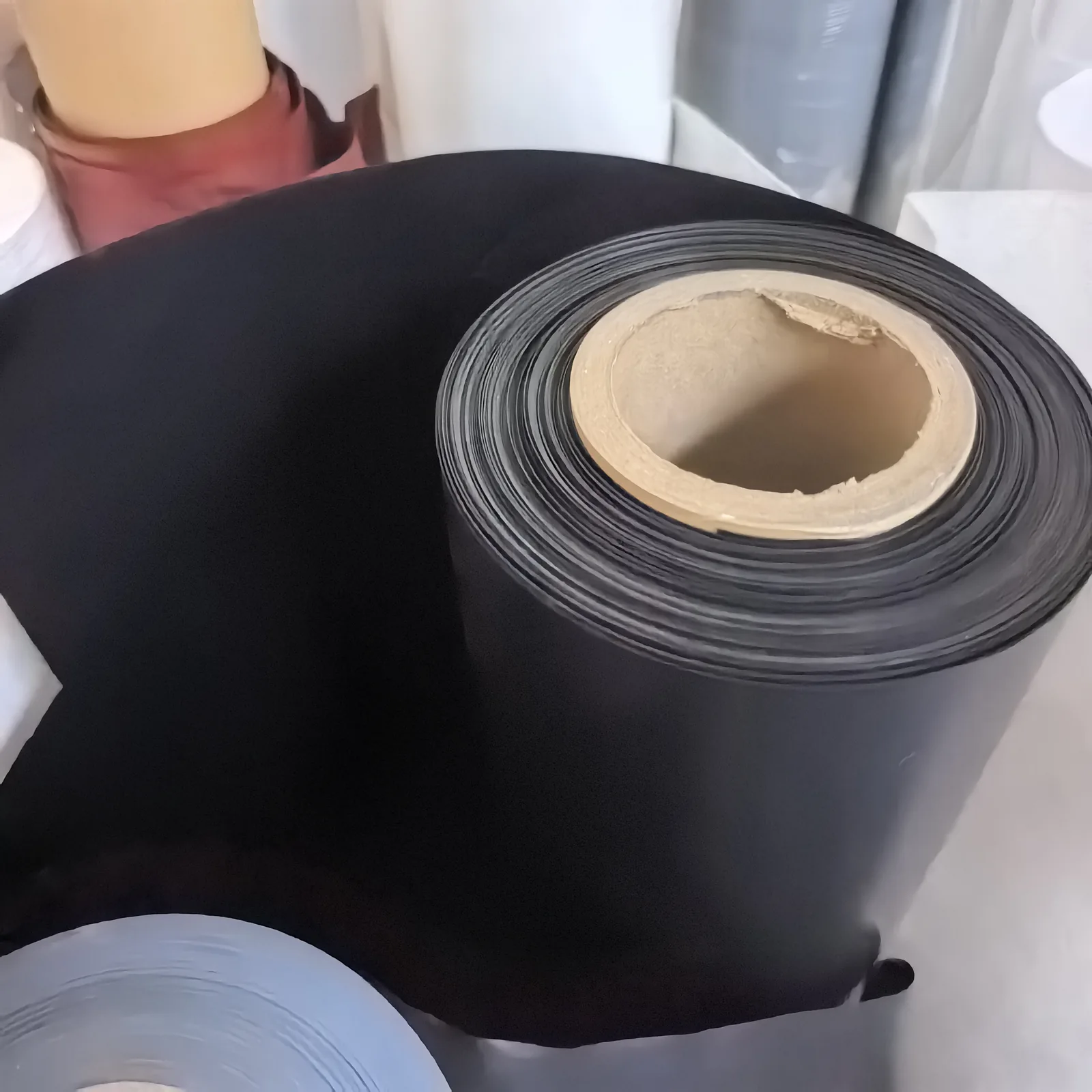
Identify the sample before describing its shape
Record the roll reference, substrate, gauge, coated face and sample location. Note how the sample orientation relates to the original roll. This keeps the observation connected to the construction and winding specification you are evaluating.
If your team removes samples from different positions or rolls, keep them separately labelled. Do not combine several strips under one identity and then use their different appearances as evidence of a single measured variation.
Use a repeatable observation arrangement
Agree the sample dimensions, observation surface and relevant conditions for the comparison. Record the face placed upward and the direction marks. If a measurement is required, define the method and acceptance basis rather than relying only on the word “flat”.
An illustrative record may label one edge asA and the other asB, then note the observation at each marked position. The labels are a way to keep the record consistent; they are not a standard test method or a universal tolerance.
Curl and flatness comparison record
On a phone, swipe the table sideways to see every column.
| Field | Keep consistent |
|---|---|
| Sample | Roll, grade and sampled position |
| Orientation | Marked faces and direction |
| Format | Sample dimensions and preparation record |
| Observation | Surface, conditions and location |
| Criterion | Agreed method and requirement if specified |
| Supply roll | Core, winding and actual roll dimensions |
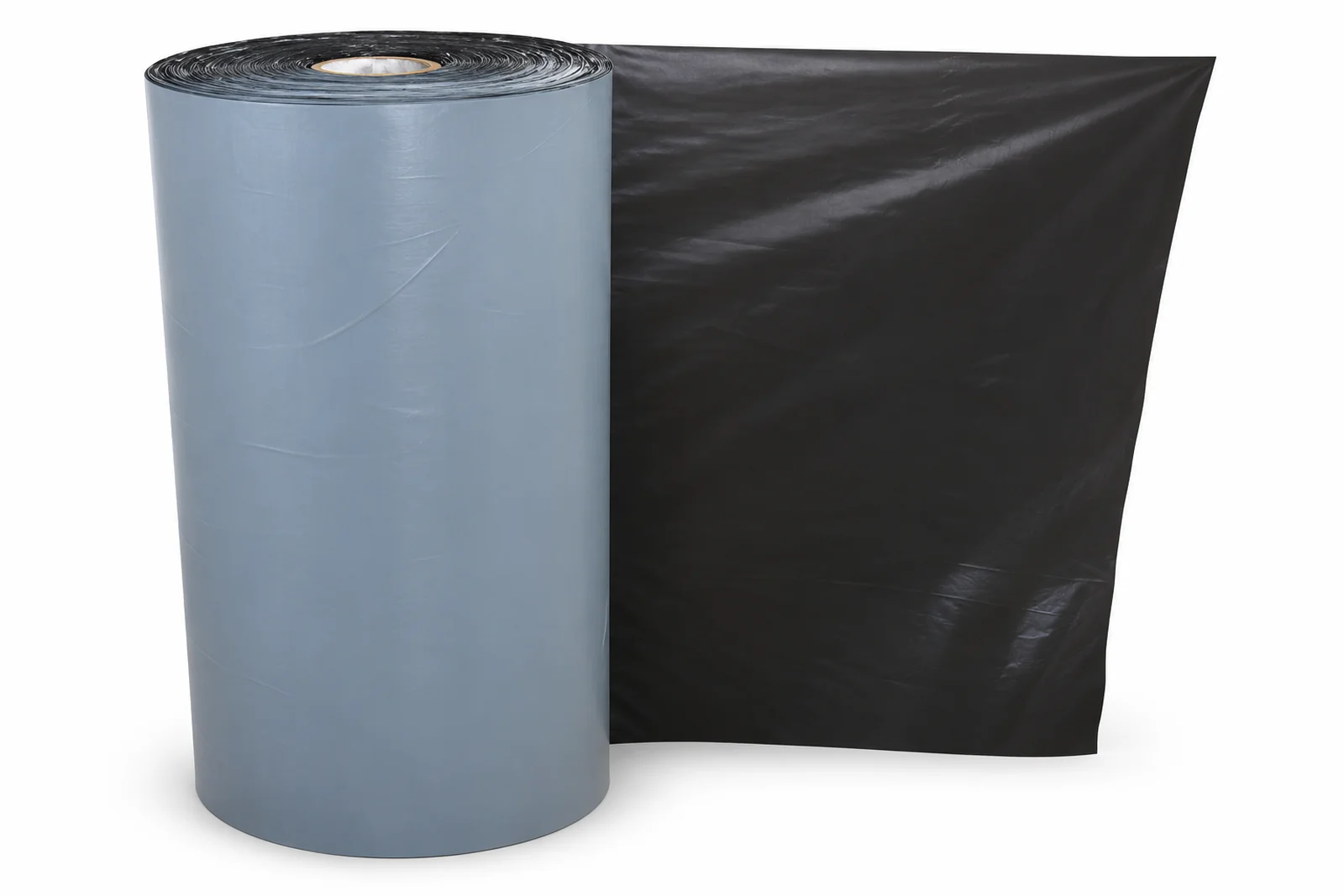
Separate sheet observations from a production-roll decision
A cut sample and a complete roll are different evaluation formats. Record what was actually inspected and avoid extending a small-sample observation into an unsupported claim about the entire shipment.
Keep the roll core, winding and maximum size in the supply specification. If the trial includes the material on your actual line, record those observations separately from the flat-sheet comparison. This helps distinguish the approval questions instead of merging them under one word.
Make the acceptance requirement explicit
If curl or flatness is critical to your process, put the agreed criterion and evaluation conditions in the request. Ask the supplier to confirm applicability to the selected grade. Do not create a numerical limit from a photograph or assume that every supplier uses the same observation procedure.
Send Merily the current film specification, sample reference, orientation sketch and required production format. We can discuss a specific material and sample request while keeping observations, agreed requirements and the quoted roll clearly connected.
Questions for This Purchase
Does a photograph alone define a flatness tolerance?
No. Agree the observation or measurement basis and the acceptance requirement.
Can samples placed with different faces upward be compared without noting it?
Record the orientation so the observations can be interpreted consistently.
Does one cut sample prove the condition of a whole shipment?
Do not extend the observation beyond the inspected sample without the required inspection basis.
Send your specification.
Get a clear material quote.
Tell us what you produce, the material you need and your required roll format. Include the quantity and destination port so we can prepare the product and packing details together.
Useful details: thickness or basis weight, width, roll length or weight, core, quantity and application. For release film, add coated side and release requirements.
Standard production: approximately 10 days for one 40-ft container order. Customized specifications: approximately 10–15 days. Confirm the schedule with the final order.