
Inspect Polyester Reinforcement Width Against the Ordered 1010 or 1020 mm Format
Confirm the actual ordered width and any tolerance, then record measurements on a defined basis. The common 1010/1020 mm formats are supply choices, not a substitute for an agreed acceptance requirement.
Choose the order width deliberately
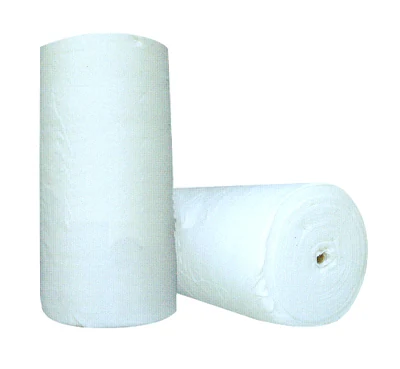
Merily continuous-filament polyester commonly uses 1010 and 1020 mm widths. State which format your line needs and identify any usable-width or edge-trim requirement separately. The production team and buyer should work from the same nominal width.
If a tolerance is required, put it in the RFQ and have it confirmed in the offer. Do not infer a tolerance from the difference between the two common widths or from another material’s technical table.
Keep the inspection basis clear
Record the measurement method and the sample locations used by your team. Identify the roll and orientation. Where multiple positions are checked, preserve those readings with the required summary rather than reporting only an unexplained average.
Distinguish the material width from roll diameter and packed height. These dimensions serve different production and loading decisions. A container photograph cannot establish the slit-width tolerance of the material inside.
Width inspection and order fields
On a phone, swipe the table sideways to see every column.
| Field | Record |
|---|---|
| Nominal width | 1010 or 1020 mm selected format |
| Tolerance | Agreed requirement if needed |
| Measurement | Method and locations |
| Identity | Grade, roll and sample |
| Planning mass | Calculated with actual width |
| Packing | Actual dimensions and net / gross weight |
Use actual width in mass planning
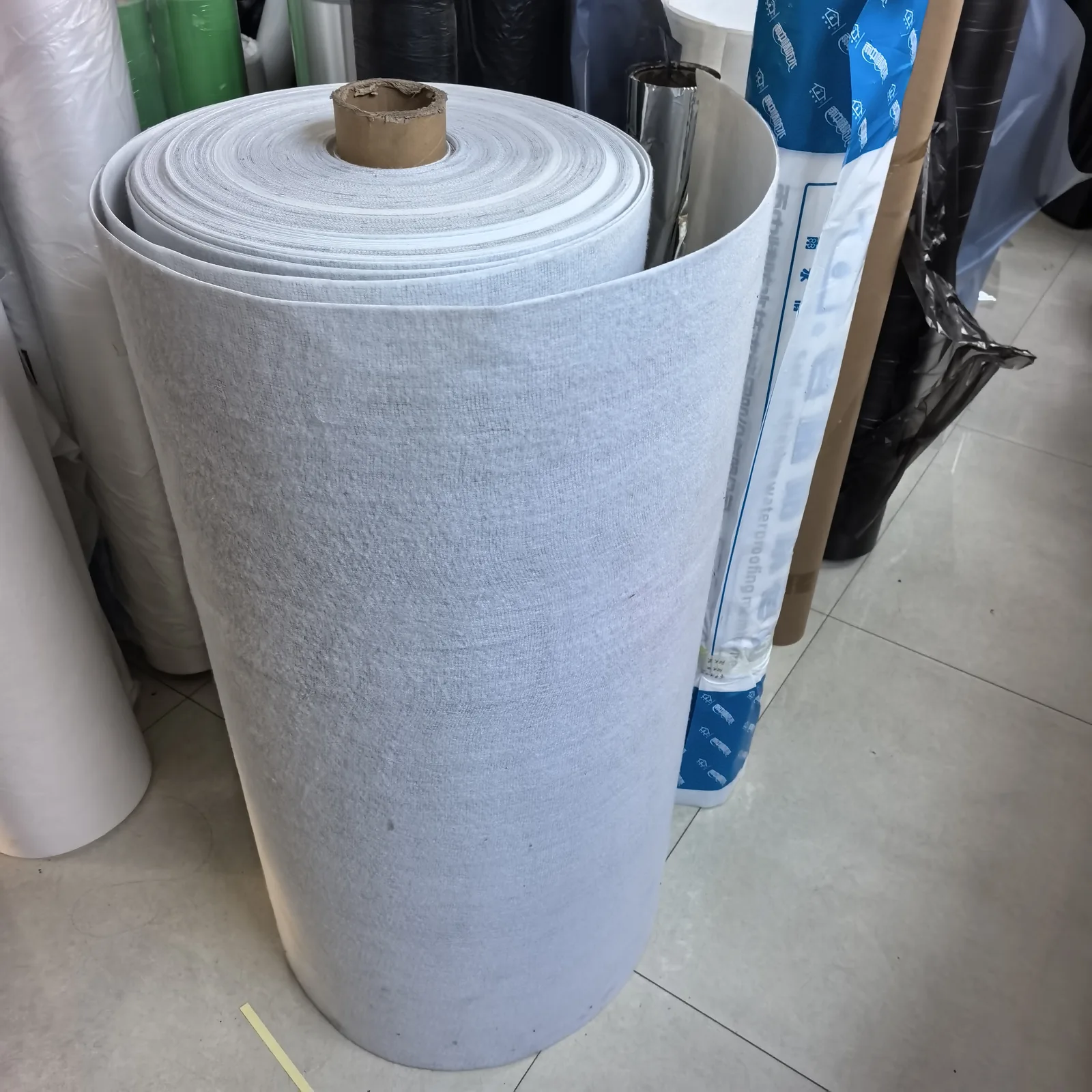
At 180 g/m² and 1450 m length, the theoretical reinforcement mass is 263.61 kg at 1010 mm width and 266.22 kg at 1020 mm. The 261 kg reference uses a nominal 1 m width. Core and packing are additional.
These calculations show why the selected width needs to stay with the roll estimate. They are planning examples for the specified inputs, not measurements of a particular delivered roll.
Connect inspection and supply records
Keep the width requirement, grade, sample identity and roll format in the same order record. If a discrepancy is observed, send the actual readings and inspection basis with relevant photographs.
Send Merily your selected width, basis weight, length or handling limit, quantity and destination. This supports a quotation whose technical and shipment assumptions describe the same material.
Questions for This Purchase
Is the 10 mm difference between formats a tolerance?
No. They are two nominal supply widths.
Can I use 261 kg for every 180 g/m², 1450 m roll?
That figure assumes 1 m width. Use the actual ordered width and keep core/packing separate.
Does packed roll height prove material width tolerance?
Use the agreed material-width measurement basis rather than a packing photograph.
Send your specification.
Get a clear material quote.
Tell us what you produce, the material you need and your required roll format. Include the quantity and destination port so we can prepare the product and packing details together.
Useful details: thickness or basis weight, width, roll length or weight, core, quantity and application. For release film, add coated side and release requirements.
Standard production: approximately 10 days for one 40-ft container order. Customized specifications: approximately 10–15 days. Confirm the schedule with the final order.