
Evaluate Compound Base Mat in Your Bitumen Impregnation Trial
A useful impregnation trial connects the reinforcement grade to your actual membrane recipe and line conditions. Keep raw-mat selection and finished-membrane evaluation connected without claiming that either one replaces the other.
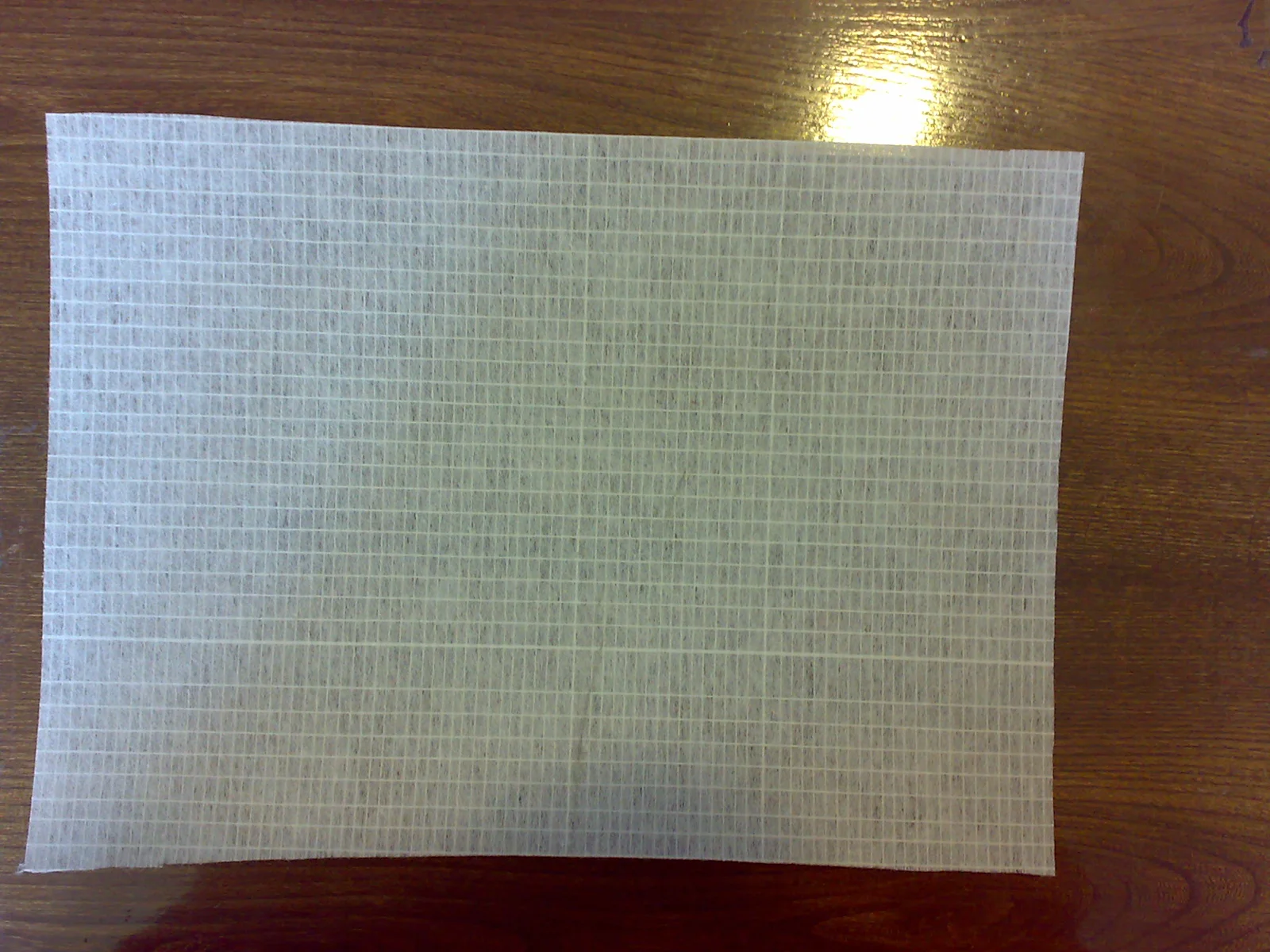
Identify the reinforcement and reference
Record the compound base mat construction, basis weight, width and sample identity. If comparing with a current approved reinforcement, preserve that reference separately.
The glass-scrim/nonwoven construction must be identified; do not treat it as continuous-filament polyester simply because both materials can be supplied in rolls.
Record the process conditions relevant to the trial
Use your technical team’s trial procedure and record the relevant coating or impregnation conditions. Keep changed settings visible so a material change is not confused with a process change.
Describe the actual observations your evaluation needs, such as the appearance of the processed sample or the state of the reinforcement within the construction. Do not infer complete penetration from one surface photograph.
Connect raw sample to trial output
On a phone, swipe the table sideways to see every column.
| Stage | Retain |
|---|---|
| Input | Construction, weight and sample reference |
| Process | Recipe reference and relevant trial settings |
| Observation | Defined inspection and sample location |
| Output | Finished membrane sample identity |
| Evaluation | Applicable tests and acceptance criteria |
| Decision | Approval scope or next evaluation required |
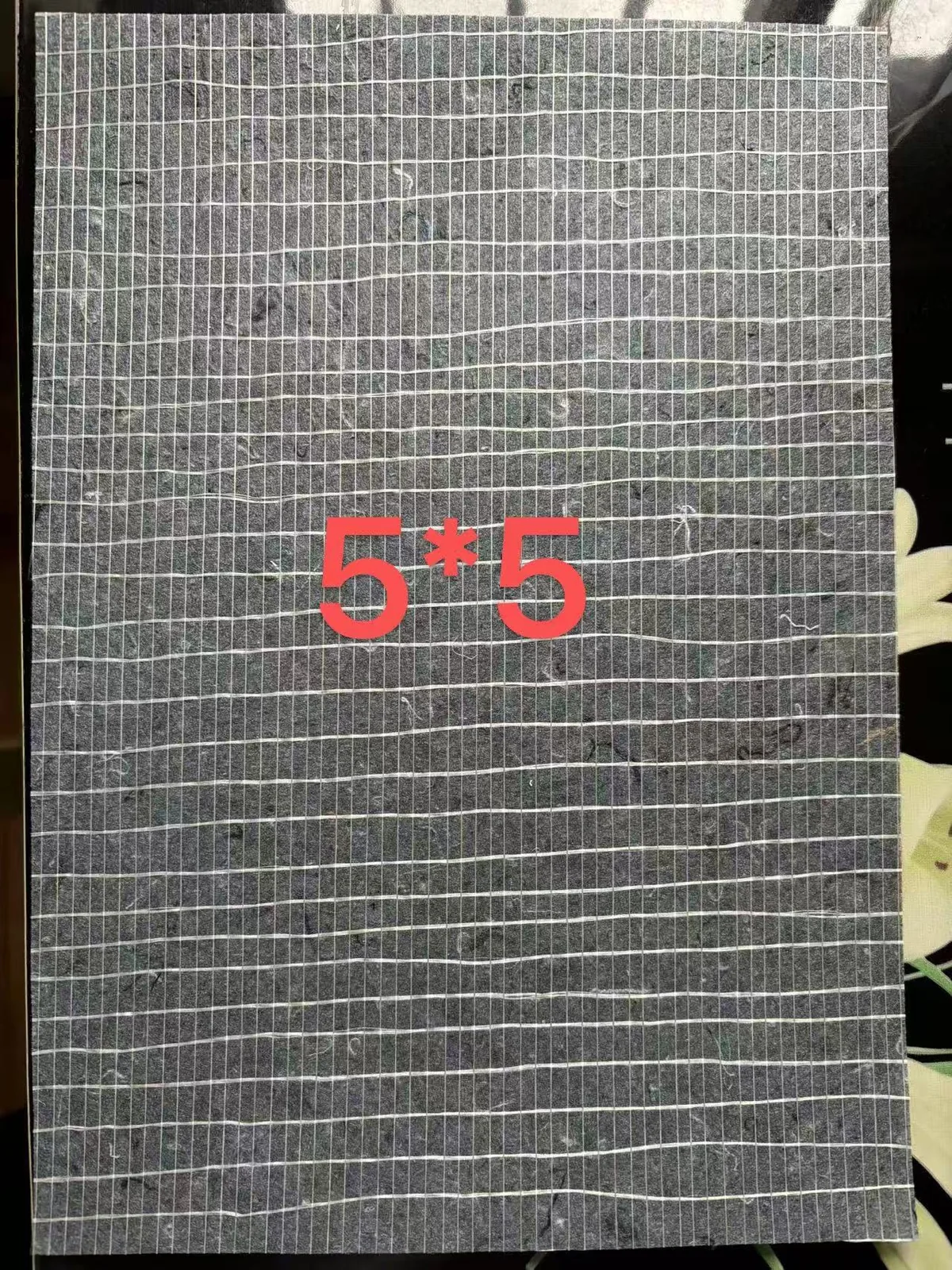
Evaluate the complete output
Retain the link from raw sample to the resulting membrane sample. Apply the finished-product tests and acceptance criteria required for your intended product.
The compound mat’s published directional force requirements describe the raw reinforcement grade. They are not a substitute for evaluating the complete bituminous membrane.
Use a focused trial conclusion
Record whether the tested construction met your defined requirements under the recorded conditions. If more work is needed, identify the unresolved observation or test rather than issuing a broad unsupported compatibility claim.
Send Merily the intended membrane use, selected grade and trial requirements. A clear comparison makes the next quotation or sample request more useful.
Questions for This Purchase
Can raw-mat tensile values certify the finished membrane?
No. Evaluate the complete construction.
Does one surface photo establish full impregnation?
No. Use the evaluation appropriate to your process.
Why record settings during comparison?
To distinguish material differences from changes in the trial conditions.
Send your specification.
Get a clear material quote.
Tell us what you produce, the material you need and your required roll format. Include the quantity and destination port so we can prepare the product and packing details together.
Useful details: thickness or basis weight, width, roll length or weight, core, quantity and application. For release film, add coated side and release requirements.
Standard production: approximately 10 days for one 40-ft container order. Customized specifications: approximately 10–15 days. Confirm the schedule with the final order.