
Assess Bonding in Glass-Scrim Composite Base Mat Without Guessing a Limit
When bonding between components matters to your membrane process, define how it will be assessed. Keep the raw composite’s structure, the trial conditions and any acceptance criterion together.
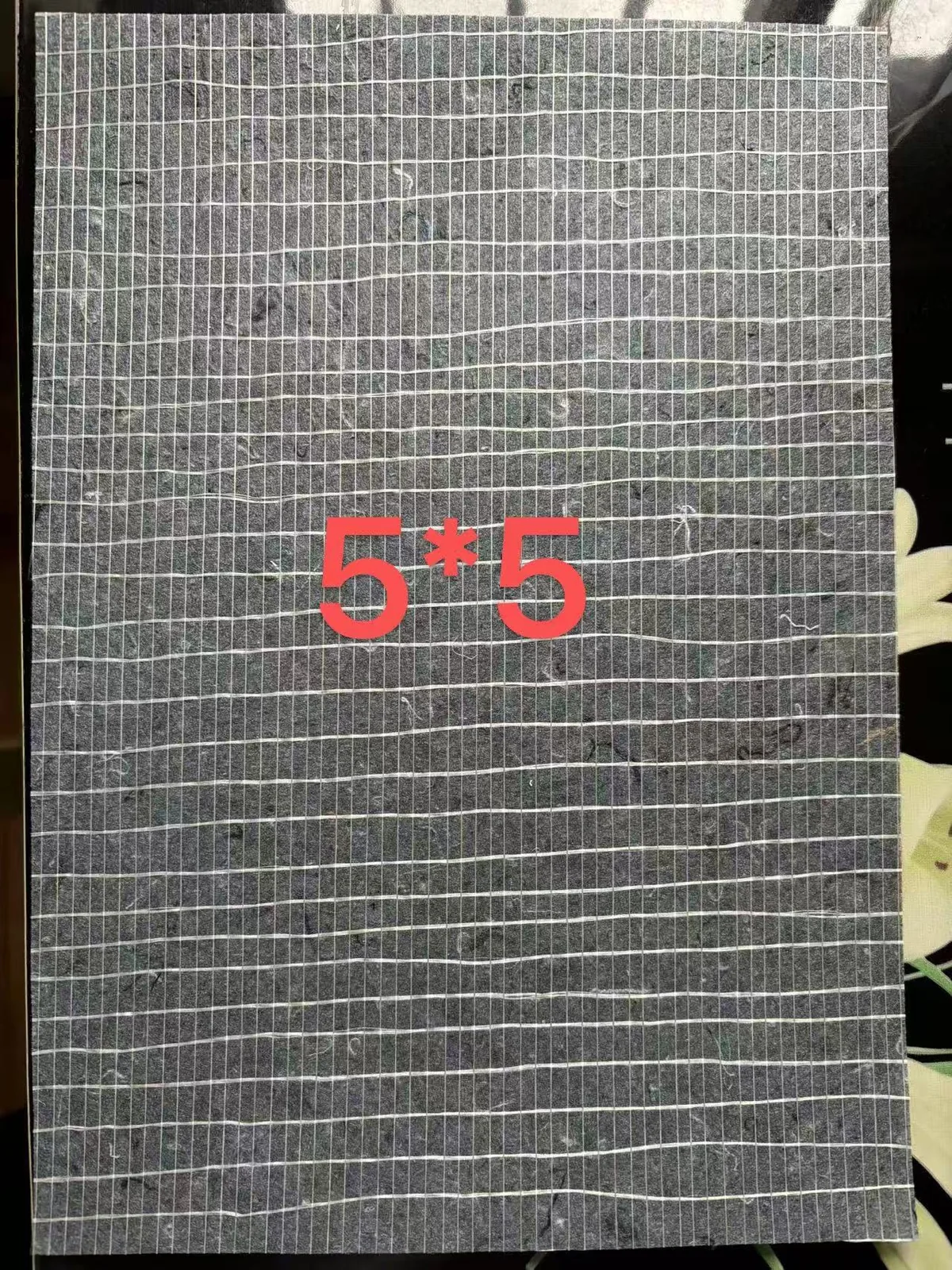
Identify which interface is being discussed
The compound mat combines glass scrim with nonwoven material. A concern about the connection between those components differs from a concern about the finished membrane’s other layers.
State the material and interface in the inquiry. Avoid a generic request for “high adhesion” without defining the construction and the evaluation needed.
Agree the evaluation basis
If your team needs a quantitative test, supply the method and criterion for confirmation. If evaluation is based on a production trial or reference sample, identify that basis explicitly.
The published composite-grade table does not establish a universal interlayer peel-force limit. Do not invent one or derive it from tensile or tear values.
Composite bonding evaluation
On a phone, swipe the table sideways to see every column.
| Question | Clarify |
|---|---|
| Which interface? | Scrim / nonwoven or another identified interface |
| Which sample? | Grade and sample origin |
| Which condition? | Unprocessed or stated processing exposure |
| Which assessment? | Method, reference or defined trial |
| Which limit? | Agreed requirement, not inferred tensile value |
| Which approval? | Intended construction and scope |
Retain the process context
Record the sample identity and any exposure or processing that preceded the observation. Keep the unprocessed sample and processed output identifiable if both are evaluated.
Photographs can document visible separation or appearance, but they cannot substitute for a numerical test result. Preserve the actual measured quantity and unit if testing is performed.
Make the procurement decision specific
Define the acceptance needed for the intended membrane and resolve it before confirming supply. A successful observation under one set of conditions is not automatically approval for every recipe or exposure.
Send Merily the construction, grade and evaluation requirement. This gives the sample discussion a clear purpose and prevents an unsupported bonding claim from entering the order.
Questions for This Purchase
Can tensile strength define interlayer adhesion?
No. They are different properties.
Does the catalogue give a universal peel-force limit?
No such limit is established by the current published table.
Can a photo be retained as evidence?
Yes for visible observations; keep quantitative results separate.
Send your specification.
Get a clear material quote.
Tell us what you produce, the material you need and your required roll format. Include the quantity and destination port so we can prepare the product and packing details together.
Useful details: thickness or basis weight, width, roll length or weight, core, quantity and application. For release film, add coated side and release requirements.
Standard production: approximately 10 days for one 40-ft container order. Customized specifications: approximately 10–15 days. Confirm the schedule with the final order.