
Specify a Dimensional-Stability Requirement for HDPE Membrane Facing
If dimensional change matters to your facing design, define the measurement and conditioning before comparing grades. Keep that requirement separate from elongation at break and from the theoretical area available per kilogram.
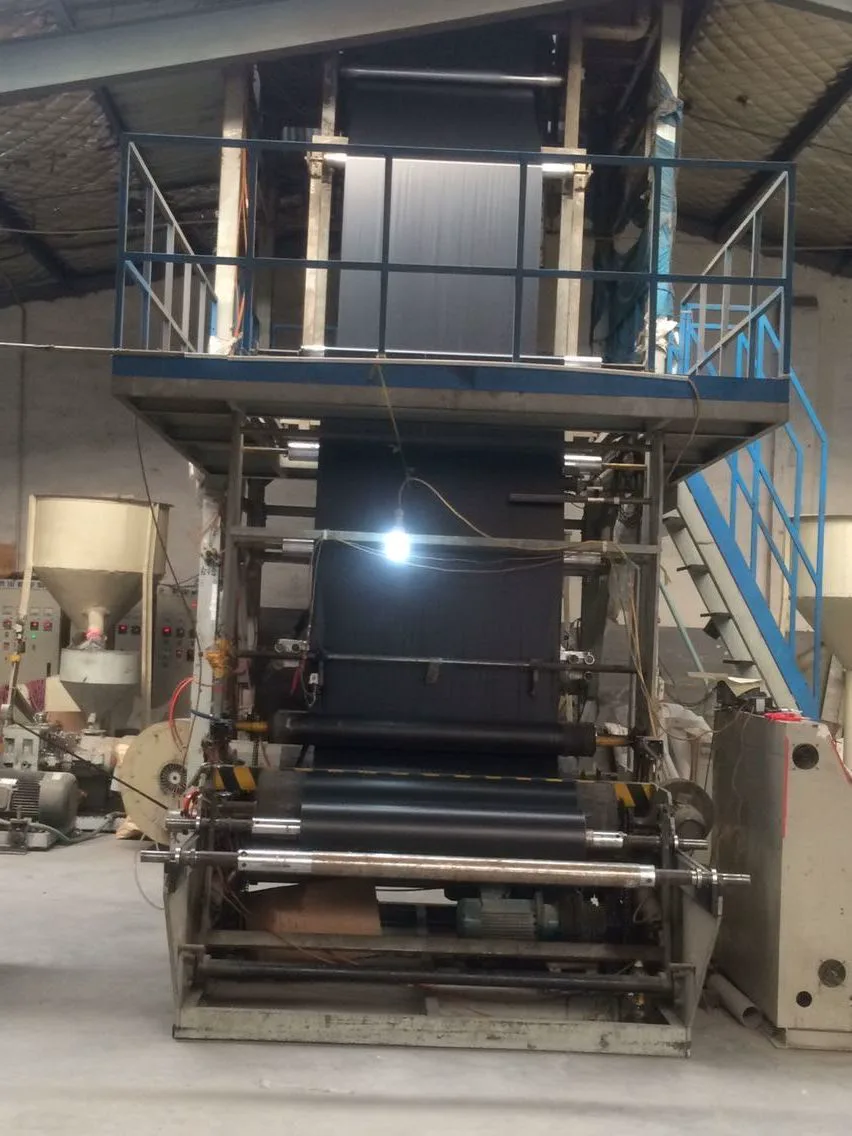
Name the property you need
A dimensional-stability requirement should identify what is measured and under which conditions. Ask for the method, directions, conditioning and reported unit to be stated with any result. The words “stable film” are not a complete acceptance basis.
Merily’s HDPE surface-film page calls for the mechanical and application requirements to be agreed for the selected gauge and use. It does not publish one universal dimensional-change limit for every facing and wrapping grade.
Keep different percentage values separate
Elongation at break and a dimensional-change result are different measurements. Do not use one percentage to fill a missing value for the other. Preserve the actual property name in the comparison sheet.
Likewise, a mechanical value from a cross-laminated reference does not establish the dimensional performance of an ordinary HDPE facing. Keep the actual construction, gauge and sample identity attached to its own evidence.
Dimensional evaluation fields
On a phone, swipe the table sideways to see every column.
| Specify | Keep with the result |
|---|---|
| Property | Actual dimensional change or other defined measurement |
| Grade | Construction, gauge and width |
| Direction | MD / TD or other stated orientation |
| Conditions | Method and conditioning basis |
| Result | Unit and acceptance requirement |
| Application | Intended membrane facing duty |
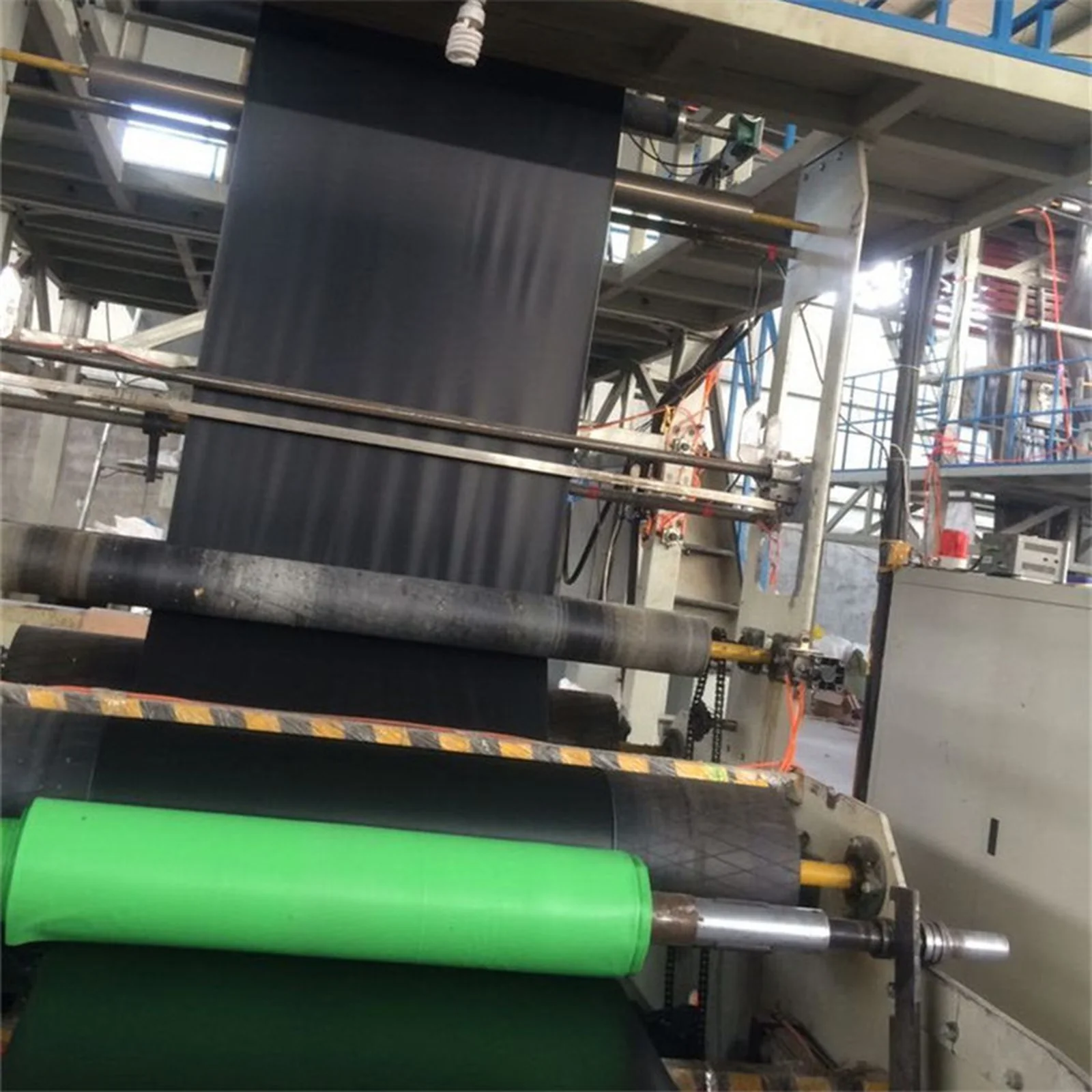
Match the evaluation to the intended facing
Describe the membrane construction and the relevant process or use condition. If the sample is evaluated under defined heating or conditioning, retain that description rather than assigning the result a broader meaning than the trial supports.
For an alternative-facing comparison, identify the existing and proposed grades separately. Use an agreed basis that lets your technical team interpret what changed without merging several uncontrolled material or process changes.
Carry the accepted requirement into the quotation
Common HDPE facing gauges are 100/150 μm, with common widths of 960/980/1000/1040 mm. Include the selected dimensions, roll format and the required dimensional evaluation in the RFQ.
Send Merily the actual material duty and required documentation with the quantity and destination. The quotation can then identify the offered configuration and which technical requirements apply, instead of relying on a broad film description.
Questions for This Purchase
Is elongation at break a dimensional-stability result?
No. Keep the two properties and their methods separate.
Can I reuse another HDPE construction’s value without confirmation?
Use evidence applicable to the actual quoted grade.
What should accompany a percentage in a data sheet?
The property name, direction, method, conditions and material identity needed to interpret it.
Send your specification.
Get a clear material quote.
Tell us what you produce, the material you need and your required roll format. Include the quantity and destination port so we can prepare the product and packing details together.
Useful details: thickness or basis weight, width, roll length or weight, core, quantity and application. For release film, add coated side and release requirements.
Standard production: approximately 10 days for one 40-ft container order. Customized specifications: approximately 10–15 days. Confirm the schedule with the final order.