
Investigate Release-Film Roll Blocking with a Location-Based Record
If adjacent layers are sticking together, record where and how it occurs before deciding the cause. Keep the affected roll, winding orientation and observed separation behaviour identifiable so the supplier and factory evaluate the same problem.
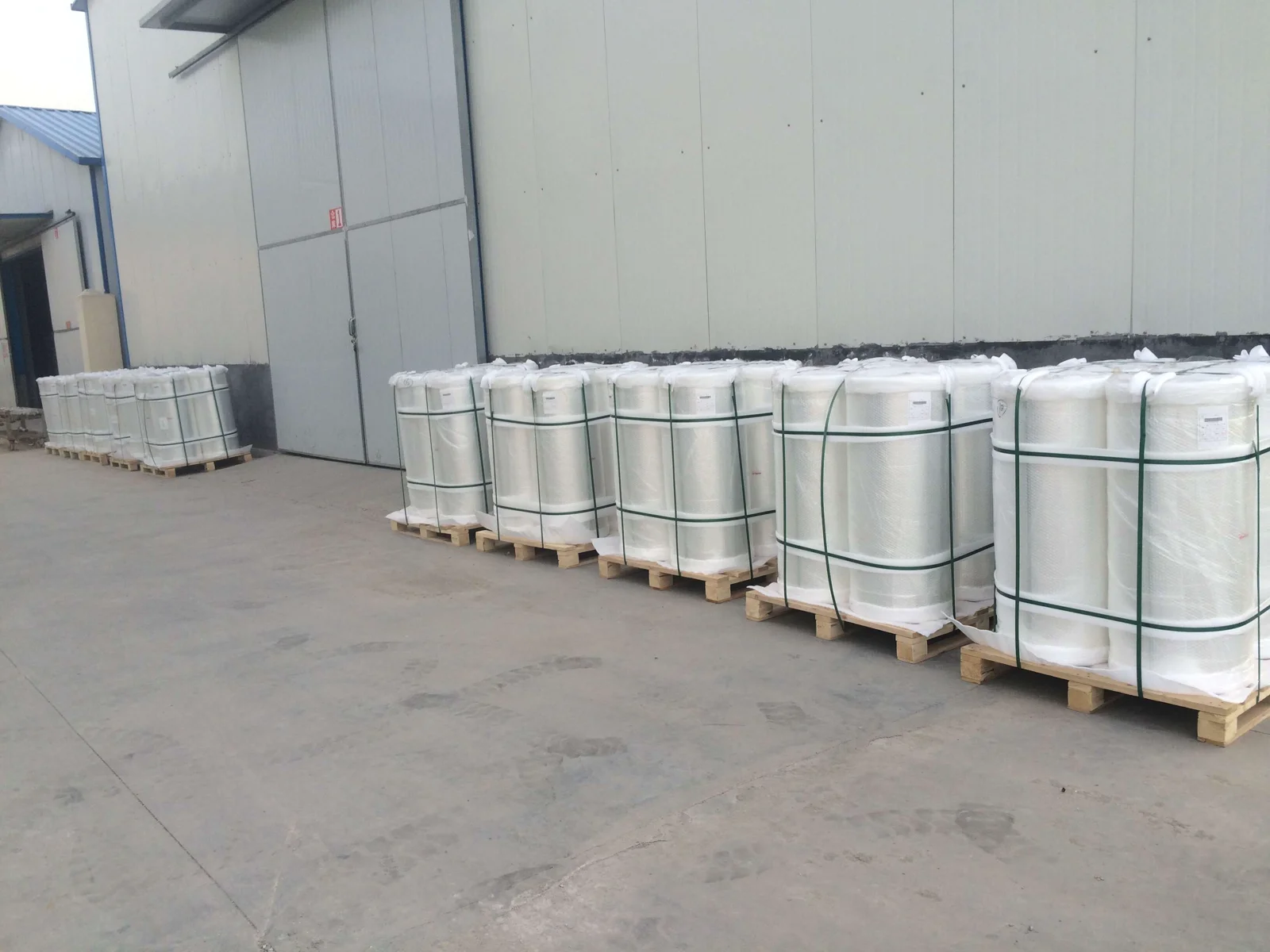
Describe the observation precisely
Write down whether the issue appears at the outer layers, a particular length position or across a particular part of the width. Describe what happens during separation without assuming that every sticking observation has the same cause.
Keep the roll identity, label, material specification and photographs together. Mark the affected face and unwind direction. If more than one roll is involved, list each separately rather than combining several observations into one anonymous sample.
Separate roll-layer sticking from adhesive release
Distinguish an observation between film layers in the supplied roll from a result at the membrane adhesive interface. The two situations need different descriptions even when the same film is involved. Identify the actual surfaces in contact.
For a membrane trial, record the adhesive or membrane reference and relevant production conditions. For a supplied roll, retain the packaging and receiving observations that help identify its condition. Avoid changing the reported interface halfway through a supplier discussion.
Blocking investigation record
On a phone, swipe the table sideways to see every column.
| Field | What to capture |
|---|---|
| Roll identity | Label, order and sample reference |
| Location | Length position, width zone and outer / inner layers |
| Interface | Film-to-film or film-to-adhesive |
| Orientation | Coated face and unwind reference |
| Observation | What separated, stuck or changed |
| Evaluation | Method, conditions and requested next step |
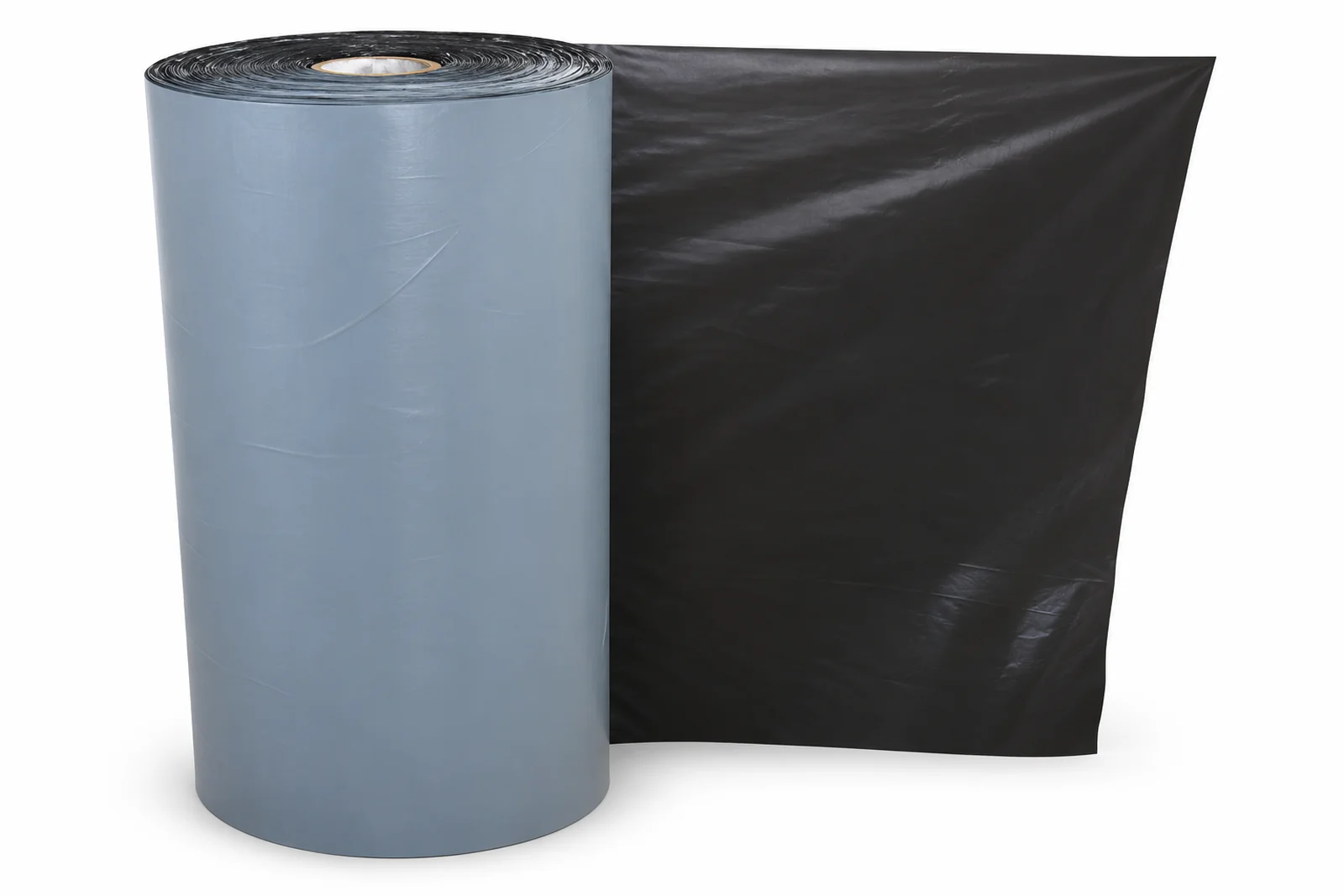
Compare against the agreed specification
Check the coated-face requirement, winding arrangement and approved sample reference. Identify any differences between the order and the material being investigated. If a requirement is absent from the order, record the gap instead of assuming an undocumented universal limit.
If your team measures separation behaviour, retain the method, units, conditioning and sample identity. Do not compare a hand observation with a laboratory value as if they were the same test. Keep photographs as supporting evidence, not as a numerical acceptance result.
Request a defined next step
Send the supplier a compact record: affected rolls, position, contact faces, observations, specification and relevant conditions. State whether you need a joint evaluation, a replacement-material trial or clarification of the quoted construction.
For a Merily inquiry, include the PE or PET grade, gauge, width and production-roll format. Preserve the affected reference and any proposed alternative separately. This makes a practical comparison possible without turning an unverified cause into a product claim.
Questions for This Purchase
Does sticking prove a particular root cause?
Not by itself. Record the interface, location and conditions before assigning a cause.
Can a photograph replace a release-force test?
No. Keep the applicable evaluation method and requirements separate from photographs.
Should several affected rolls be mixed into one sample record?
Keep each roll identifiable so observations and proposed actions can be traced.
Send your specification.
Get a clear material quote.
Tell us what you produce, the material you need and your required roll format. Include the quantity and destination port so we can prepare the product and packing details together.
Useful details: thickness or basis weight, width, roll length or weight, core, quantity and application. For release film, add coated side and release requirements.
Standard production: approximately 10 days for one 40-ft container order. Customized specifications: approximately 10–15 days. Confirm the schedule with the final order.