
Inspect HDPE Facing Roll Edges with the Heavy-Roll Format in Mind
For a heavy facing-film roll, check the ordered width, the roll-end condition and the packing arrangement as separate items. Keep the actual roll identity with the evidence before accepting or disputing a delivery.
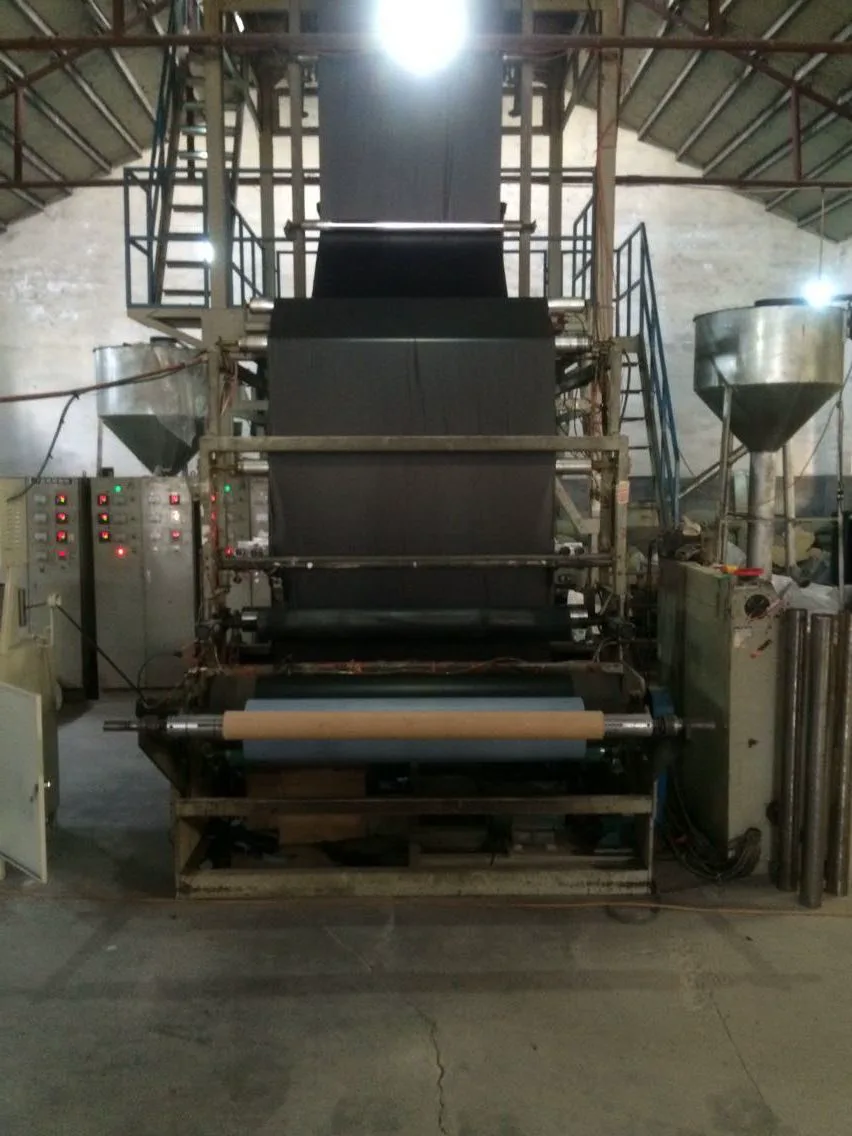
Identify the ordered roll
Merily HDPE facing discussions commonly involve 100/150 μm film and widths of 960/980/1000/1040 mm. Confirm the exact width and any required tolerance in the order. A list of common widths is not the acceptance limit for each roll.
A typical roll reference is about 150 kg of film. Include the core and handling requirements that apply to the actual format. Do not use the smaller PE release-film packing reference as if it described the same roll.
Record packaging and material condition separately
Photograph the end protection, wrapping and visible wound edge with the roll label identifiable. State whether the concern affects the packaging, the core or the film. Use the same viewpoint convention for the two ends of the roll.
If an observation appears only during unwinding, record its length position and the relevant roll identity. That information should supplement the receiving record, not silently replace what was observed at delivery.
Heavy facing-film receiving checklist
On a phone, swipe the table sideways to see every column.
| Item | Record |
|---|---|
| Width | Selected nominal width and tolerance |
| Roll | Identity, core and quoted weight basis |
| Edge | End, location and visible condition |
| Protection | Wrapping and end-protection condition |
| Pallet | Actual roll count and net / gross weight |
| Follow-up | Defined measurement or evaluation requested |
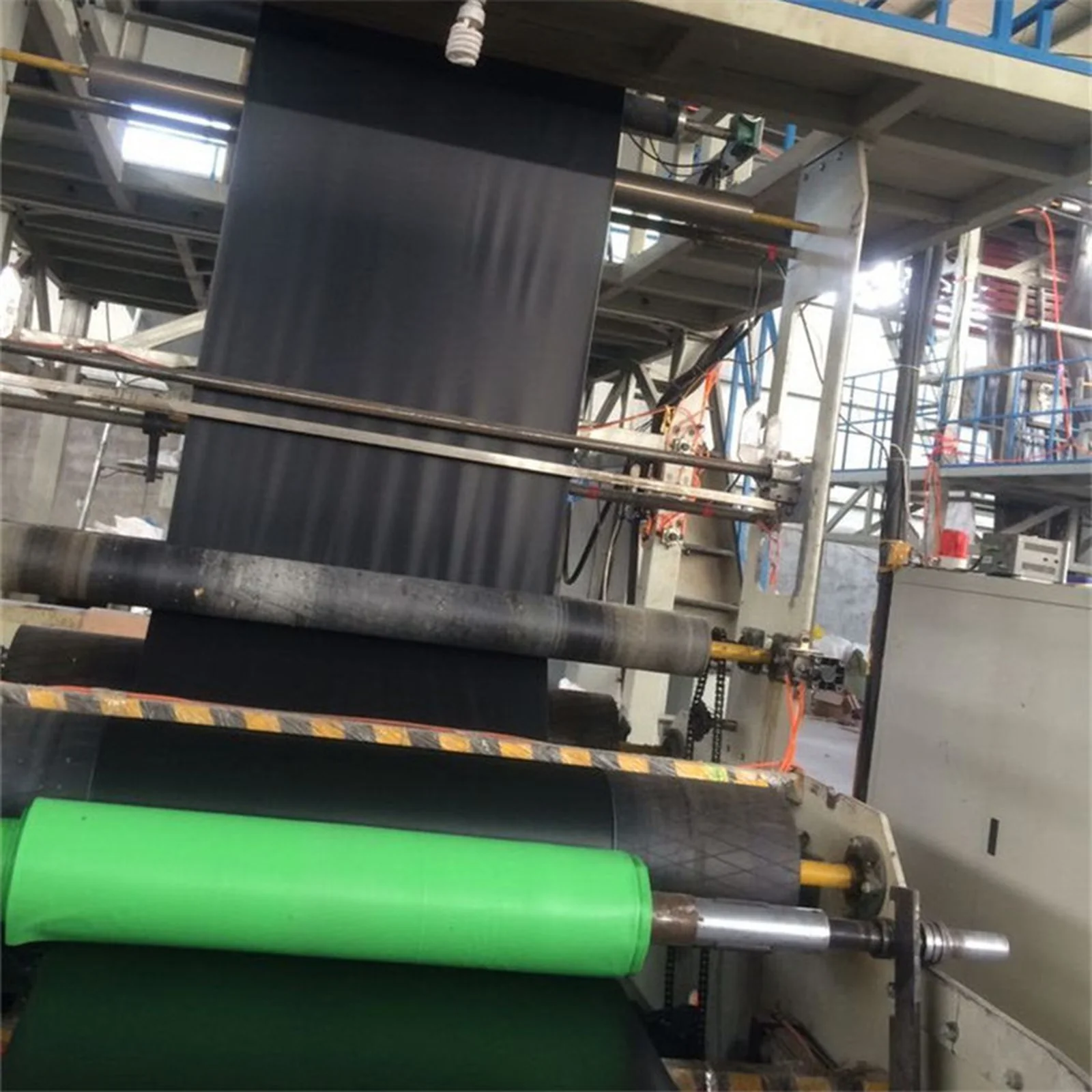
Measure the dimension required by the order
For a slit-width check, retain the agreed method and readings with the selected nominal width. Do not treat outer roll diameter as evidence of width or total film length. Each dimension needs its own label.
If edge appearance is an acceptance requirement, describe the relevant criterion and inspection basis before purchase. A photograph helps locate a feature but does not define an undocumented numerical tolerance.
Reconcile the pallet record
At about 150 kg per roll, a six-roll reference is about 900 kg of film; four such rolls are about 600 kg of film. Pallet and protective materials add to gross weight. Check the actual arrangement rather than forcing both options into a fixed 900 kg figure.
Send Merily the specification, roll-end evidence and actual packing record if a delivery question arises. For a new order, include the required protection and handling limits so the offer matches how your factory will receive the material.
Questions for This Purchase
Do four 150 kg rolls make a 900 kg pallet?
Four such rolls are about 600 kg of film before the pallet and packaging; use the actual weight basis.
Can roll diameter confirm slit width?
No. Record the dimension actually required by the order.
Should edge requirements be agreed before dispatch?
Yes, when they are part of acceptance, state the criterion and inspection basis in the order.
Send your specification.
Get a clear material quote.
Tell us what you produce, the material you need and your required roll format. Include the quantity and destination port so we can prepare the product and packing details together.
Useful details: thickness or basis weight, width, roll length or weight, core, quantity and application. For release film, add coated side and release requirements.
Standard production: approximately 10 days for one 40-ft container order. Customized specifications: approximately 10–15 days. Confirm the schedule with the final order.