
Plan Storage and Handling for Thin PE and HDPE Facing Rolls
Keep the grade-specific storage instructions and the physical roll-handling plan together. Thin film and heavy facing rolls may use different supply formats, so confirm the actual pallet and roll data instead of assigning one fixed warehouse unit to every product.
Request the relevant material instructions
Ask for the storage and handling information that applies to the selected film and its packaging. Keep any required conditions or time basis with the actual grade reference. Do not borrow a shelf-life statement from a different product.
If your factory requires a specific storage condition or supporting document, include it in the inquiry. The supplier should be asked to confirm applicability to the quoted material rather than leaving the requirement implicit.
Use the actual roll and pallet format
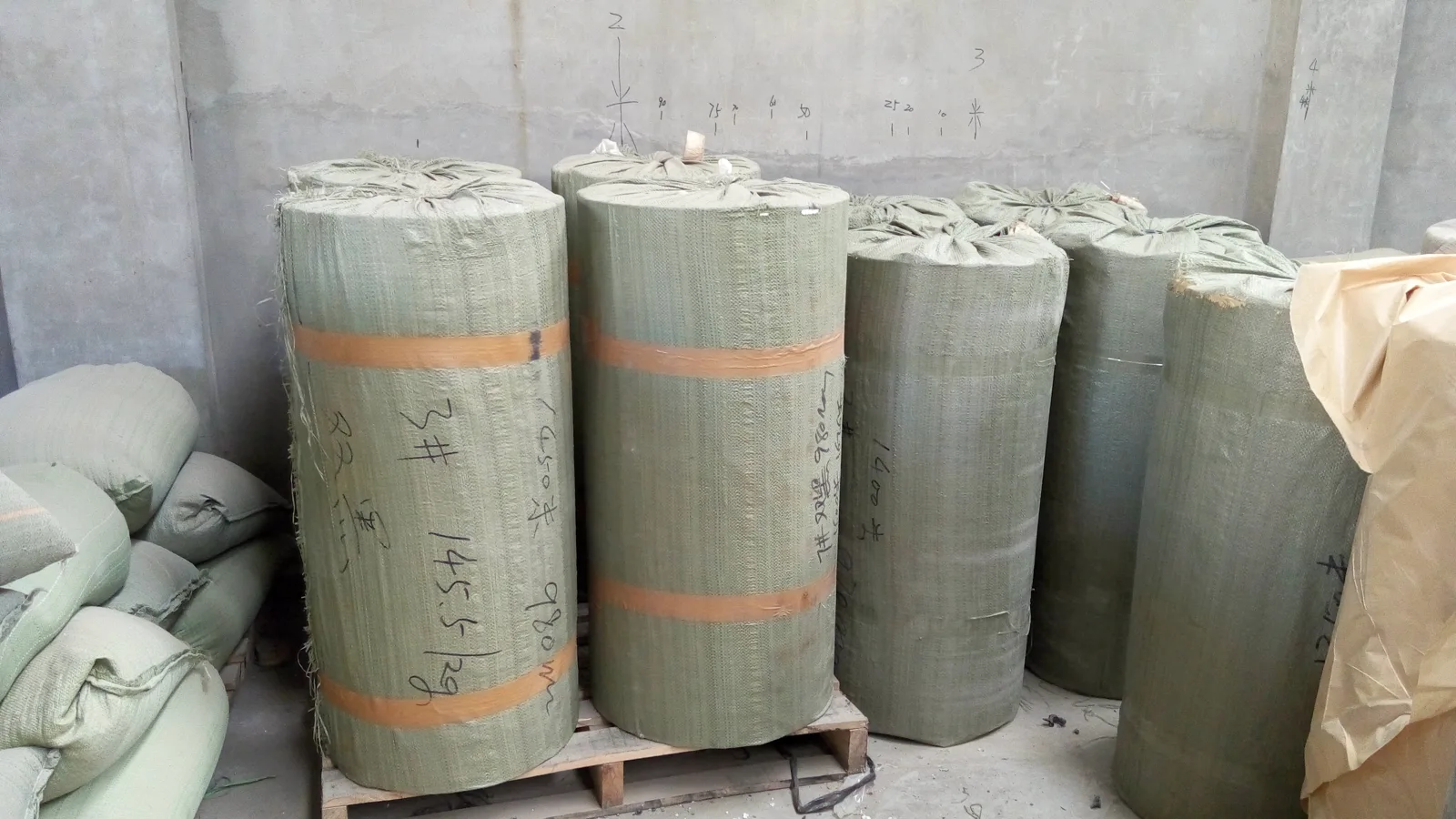
A thin PE planning reference is about 50 kg per roll and 16 rolls around 800 kg of film per pallet. A facing-film reference may be about 150 kg per roll, with 6 rolls around 900 kg of film. These describe different physical supply arrangements.
Core, pallet and protective materials add to gross weight. Request actual packed dimensions and gross figures for the order. Material volume of about 1.08 m³/t is not a pallet-storage footprint or freight volume.
Storage and handling planning fields
On a phone, swipe the table sideways to see every column.
| Field | Confirm |
|---|---|
| Instructions | Applicable grade and packaging guidance |
| Time basis | Any defined storage or shelf-life requirement |
| Roll format | Actual weight, core and dimensions |
| Pallet | Count, packed size and gross weight |
| Identification | Receipt, location and sample references |
| Schedule | Production, transit and receiving planned separately |
Preserve identification during receiving and sampling
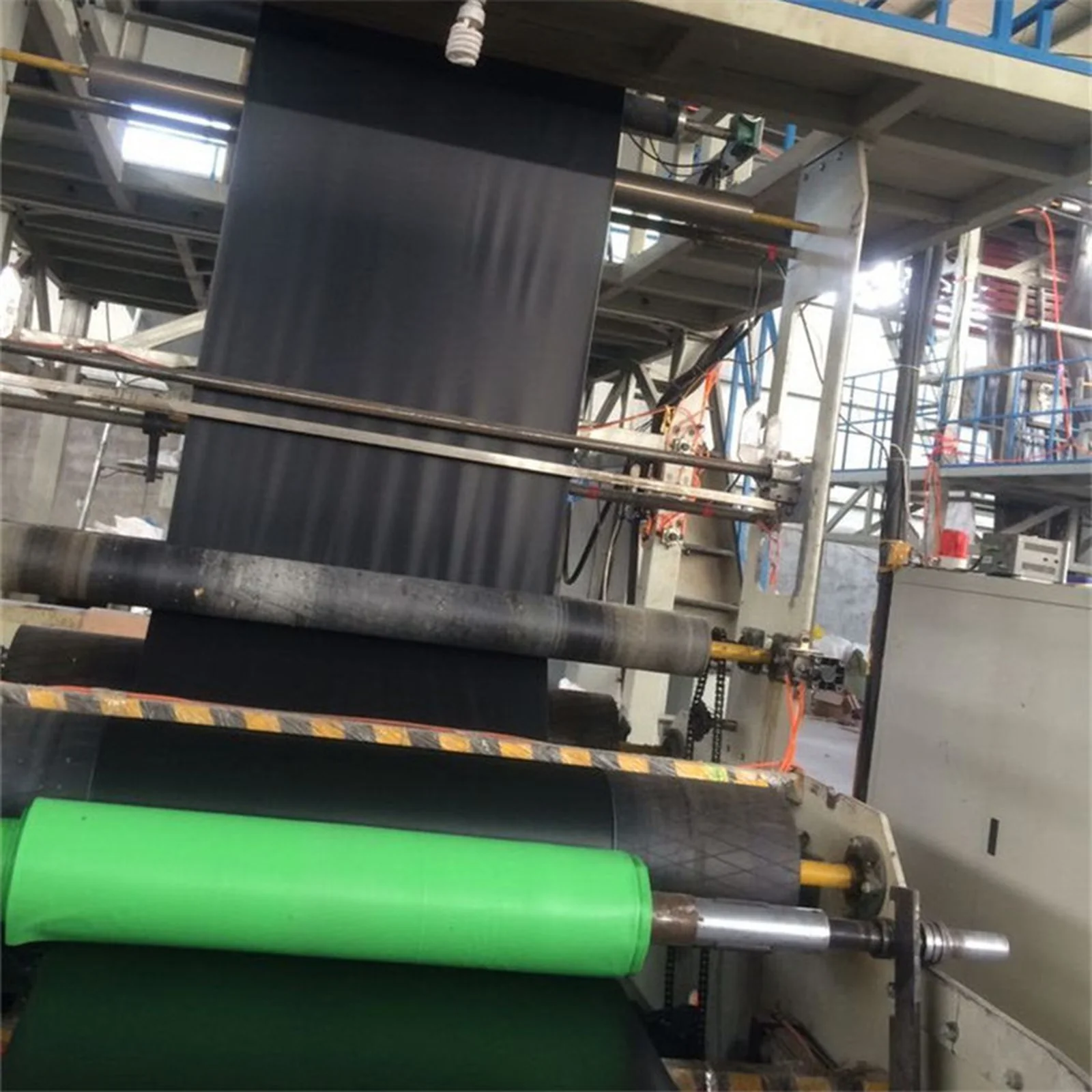
Keep roll or lot labels connected to the receipt and location record. Record any opening of packaging for inspection or sampling according to the applicable procedure. Do not lose the link between a material strip and its parent roll.
Photograph visible packing concerns with the shipment identity before the condition is no longer traceable. Distinguish damaged wrapping from an observation on the film itself, and keep any later production observation separately dated and identified.
Align stock planning with the supply schedule
Standard raw-material production is generally planned around 10 days for a large-container order; custom requirements are about 10–15 days, with the schedule confirmed after agreement. Transit and receiving time are separate planning inputs.
Send Merily the grade, quantity, expected use schedule and destination. If particular packing or handling requirements matter to your warehouse, state them before the quotation is finalised.
Questions for This Purchase
Can I use material volume as warehouse pallet volume?
No. Use the actual packed dimensions.
Is 900 kg the weight of every film pallet?
No. Confirm roll count and actual net/gross weight for each material and format.
Does production lead time include sea transit?
Treat production and transport as separate schedule items and confirm the actual order plan.
Send your specification.
Get a clear material quote.
Tell us what you produce, the material you need and your required roll format. Include the quantity and destination port so we can prepare the product and packing details together.
Useful details: thickness or basis weight, width, roll length or weight, core, quantity and application. For release film, add coated side and release requirements.
Standard production: approximately 10 days for one 40-ft container order. Customized specifications: approximately 10–15 days. Confirm the schedule with the final order.